WW/PROCUREMEN
Mpumalanga Engineering Firm Heads to Kampala in Hunt for African Export Deals
Lizwile Engineering, a 14-person steel processing firm from eMalahleni, joins a dtic trade mission to Kampala on 22-25 November 2026 to open African export markets.
- By
- Elena Vasquez
- Filed
- Length
- 585 words
- Read
- 3 min
Key points04
- Lizwile Engineering, employing 14 people, joins a dtic Outward Selling Mission to Kampala, Uganda, on 22-25 November 2026.
- The company has pursued export markets for three years, targeting agriculture, mining, waste management, construction, engineering and water sectors in Uganda.
- The dtic has previously helped the firm scout opportunities in Ghana and Angola; Mozambique, Zimbabwe and the DRC are next on the list.
- CEO Nomagugu Mvelase is also Vice President of the Middelburg Chamber of Commerce and Industry, the biggest business network in Nkangala District.
A 14-person engineering firm from eMalahleni, Mpumalanga, will travel to Kampala this November in pursuit of its first sustained export contracts on the African continent. Lizwile Engineering, led by founder and Chief Executive Officer Nomagugu Mvelase, joins the Department of Trade, Industry and Competition's Outward Selling Mission to Uganda, which runs from 22 to 25 November 2026.
The mission's programme is built around three components: a trade and investment seminar, structured business-to-business meetings, and site visits to Ugandan companies operating in the same sectors as the visiting South African firms. The dtic designed the programme to help South African companies — small businesses in particular — probe trade and investment opportunities in markets beyond the country's borders.
What is Lizwile Engineering taking to market?
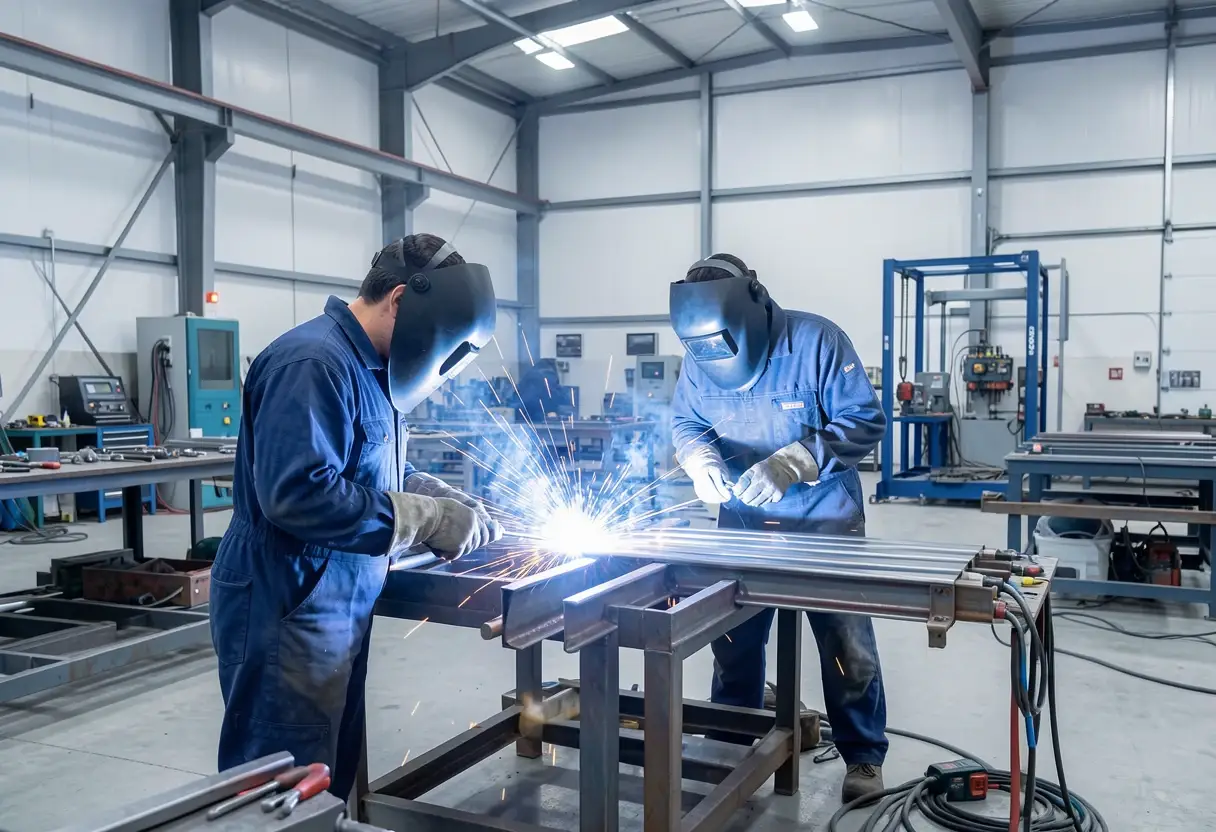
The company supplies engineering, industrial maintenance and steel processing solutions across a broad industrial base. Its client sectors include mining, power generation, water treatment, agriculture and petrochemicals — a portfolio that maps closely onto the demand profile of an East African economy in the midst of infrastructure build-out.
Mvelase says the Uganda trip caps a much longer preparation effort. "Exporting our products to international markets is something that we have been working on for the past three years. We are ready to explore export opportunities particularly in the rest of the Continent," she said. "This trip to Uganda could not have come at a more opportune time."
Her target sectors in Uganda are deliberately wide: agriculture, mining, waste management, construction, engineering and water. That spread gives the firm several entry points into a market where South African industrial suppliers have historically been under-represented relative to Chinese importers.
Why the state is footing part of the path
This is not Lizwile's first outward mission. The dtic has recently assisted Mvelase in scouting export opportunities in Ghana and Angola, and she has identified Mozambique, Zimbabwe and the Democratic Republic of Congo as further frontier markets. For a small manufacturer, state-funded market-access missions reduce the fixed cost of prospecting — flights, matchmaking, and introductions that would otherwise sit beyond a 14-person company's budget.
The commercial logic is straightforward. Penetrating African markets would diversify Lizwile's revenue away from a domestic industrial base under pressure, and regional demand for steel processing and maintenance services gives the firm a realistic corridor for growth.
Who is behind the company?
Mvelase is also Vice President of the Middelburg Chamber of Commerce and Industry, which she describes as the biggest organised business network in Mpumalanga's Nkangala District. That position gives her firm an institutional foothold in the region's industrial economy, alongside the operational credentials of its engineering portfolio.
She is direct about the obstacles. "I am determined to succeed and grow this business despite the challenges that I am experiencing as a woman trying to establish herself in the industry that is still predominantly male and white," Mvelase said. "Also, this is a highly capital-intensive industry that also has to contend with cheap imports from China. But we will be soldiering on. No going back."
What comes after Kampala?
The immediate test is conversion: whether the Kampala meetings translate into signed supply agreements for a firm that has spent three years positioning itself for export. Beyond Uganda, the dtic-assisted pipeline through Ghana, Angola, Mozambique, Zimbabwe and the DRC suggests Pretoria intends to keep underwriting small South African industrial exporters across the continent — and that firms like Lizwile will keep measuring success one mission at a time.
Source: africa.com
More from Elena Vasquez
Show full bio
News editor covering people, launches and day-to-day practice in Ocean and air freight, container shipping at Waybill Wire.
929 articles
Related05
Uganda Airlines Opens Entebbe–Accra Route to Unlock West African Cargo
Uganda's Speaker tells Africa's parliaments: process at home or stay poor
$155bn infrastructure bill: Africa's mining boom redraws logistics map
DP World to launch weekly China–Africa service with $665m port backing
Uganda courts Dangote for 60,000-bpd refinery, $70bn plan