WW/AIRCARGO
Milwaukee Mitchell opens new air cargo center, courts freight tenants
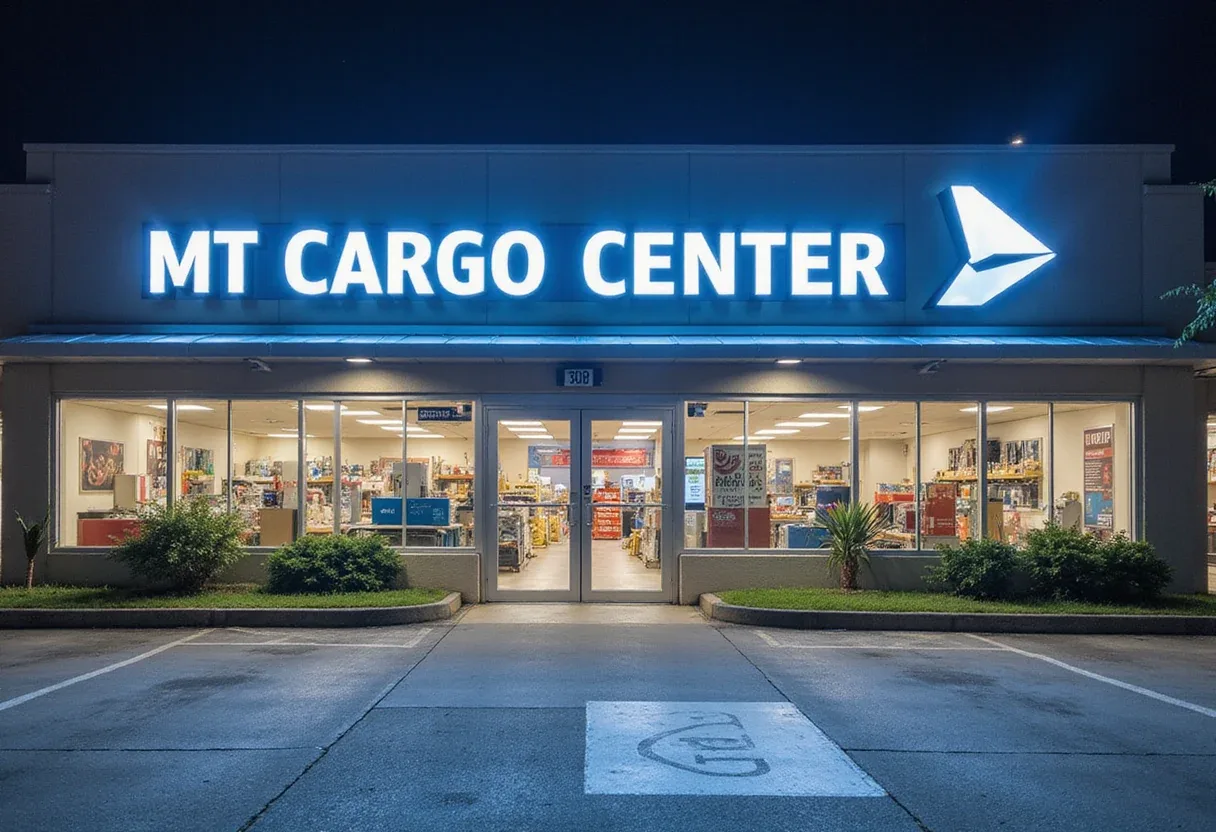
Milwaukee Mitchell International Airport has opened a new air cargo center and is now soliciting freight tenants, marking the gateway's biggest cargo push in years as O'Hare belly capacity tightens.
- Desk
- Air Cargo
- By
- James Calloway
- Filed
- Length
- 691 words
- Read
- 3 min
Key points05
- Milwaukee Mitchell International Airport opened a new air cargo center, reported BizTimes Milwaukee Business News.
- The facility targets integrators, 3PLs and regional forwarders handling e-commerce, pharma and industrial cargo.
- No square footage, buildout cost or anchor tenant has been disclosed in the initial release.
- Mitchell's cargo volumes in recent years have lagged peer Midwestern gateways such as Chicago O'Hare and Detroit Metropolitan.
- The marketing pitch positions Mitchell as a non-hub alternative to Chicago O'Hare for Midwest point-to-point freight.
Milwaukee Mitchell International Airport has opened a new air cargo center and is now soliciting freight tenants, marking the gateway's biggest cargo-side push in years.
The opening, reported by BizTimes Milwaukee Business News, lands against a backdrop of U.S. Midwest airports competing for tonnage that primary hubs can no longer absorb. Cargo has been leaking to secondary gateways across the region as Chicago O'Hare and Detroit Metropolitan run into slot, ramp and landside constraints of their own.
Mitchell's existing cargo operations have run through a single aging terminal, with limited integrator presence and no dedicated freighter ramp — a setup the new facility is designed to replace. For a city that bills itself as a manufacturing hub, the cargo gap has long stood out.
What does the new center include?
Developer and airport materials describe a purpose-built facility aimed at integrators, third-party logistics providers and regional forwarders — the typical tenants who need ramp access, landside truck staging and short taxi times for next-flight-out freight.
Specific square footage, buildout cost and capacity targets have not been disclosed in the initial release. The marketing pitch emphasizes quick turns, dedicated warehouse space and direct airside access, amenities that smaller Midwest airports typically lack.
Airport officials have framed the facility as a build-to-suit box, with interior fit-out driven by the first anchor tenant's specifications. That approach lowers the developer's upfront capital risk but pushes the construction clock onto the tenant's decision.
Who is the center courting?
The pitch targets operators handling e-commerce, pharma and industrial components — cargo flows that prize reliability over the lowest yield per kilogram. Mitchell sits within reach of Milwaukee's manufacturing base and the broader southeastern Wisconsin industrial corridor, a lane mix the airport has struggled to scale in recent years.
Operators running regional deferred and next-day services are also in the marketing sights. So are charter brokers serving automotive and capital-equipment shippers who need a non-hub touch point to bypass O'Hare congestion.
Why does this matter for shippers and forwarders?
A second cargo campus at Mitchell gives forwarders an alternative to Chicago O'Hare for Midwest point-to-point freight, particularly on lanes where integrators want a non-hub touch point.
Capacity at O'Hare has tightened as passenger airlines have right-sized widebody fleets, squeezing belly-cargo availability on transcontinental and transatlantic services. Operators across the region have been working to fill the void, and Mitchell wants a share of that opportunity.
Milwaukee's pitch is geographic — within a couple of hours' trucking of Chicago — and operational: lower congestion, faster turns. For carriers running scheduled trucking into O'Hare, the option to drop freight at Mitchell could shave hours off inland transit, particularly for pharma and high-value industrial cargo.
For forwarders, the live question is whether Mitchell can hold freighter service once an anchor tenant signs. Single-tenant cargo buildings often lose volume when leases turn over, and airports without scheduled integrators fall back on ad hoc charter work — lumpy tonnage, weaker yields.
The economics also matter. Secondary Midwest gateways typically clear landing fees and fuel flow at lower rates than O'Hare, but they lack the connecting passenger feed that gives integrators a daily lift pipeline. Mitchell's commercial case rests on whether shippers will pay a small premium for reliability on lanes where O'Hare delay risk has grown.
What's next?
Watch for tenant announcements in the coming weeks. Watch also for the airport's quarterly tonnage figures, which will show whether the new facility shifts Mitchell's cargo mix toward integrator and e-commerce flows.
The airport's volumes in recent years have lagged peer Midwestern gateways, and the new center is the operator's primary lever to close that gap.
The commercial read is straightforward: Mitchell is going after Chicago spillover, betting that a purpose-built cargo box, lower congestion and integrator-friendly amenities can pry loose tonnage from forwarders priced out of O'Hare. The bet pays if the first signed lease holds — and if the airport can keep the freight after landing.
Source: Google News: air cargo
More from James Calloway
Show full bio
Correspondent covering companies, deals and strategy in Ocean and air freight, container shipping at Waybill Wire.
503 articles