WW/PORTSTERMI
MARAD Clears $1 Billion Blue Marlin Offshore Crude Port Off Louisiana
MARAD has licensed the $1 billion Blue Marlin port 99 miles off Louisiana, a VLCC-capable terminal moving up to 2 million barrels of crude per day into global markets.
- By
- Amara Osei
- Filed
- Length
- 590 words
- Read
- 3 min
Key points05
- MARAD approved the $1 billion Blue Marlin Offshore Port license on Thursday, capable of exporting up to 2 million barrels of crude per day
- The terminal sits 99 miles off Cameron Parish, Louisiana, loading VLCCs at up to 80,000 barrels per hour
- It is the fourth deepwater port approved under the Trump administration, after GulfLink, Delfin LNG and the $8.2 billion ST LNG project
- DOT expects the project to support up to 1,052 construction jobs
- Blue Marlin's initial application dates to October 2020; no construction or completion dates were announced
MARAD has approved a $1 billion offshore crude oil export terminal capable of loading 2 million barrels per day, giving the Gulf of Mexico its fourth deepwater port license under the Trump administration. The Blue Marlin Offshore Port will sit roughly 99 miles off Cameron Parish, Louisiana, in West Cameron Block 509 — far enough out that the world's largest tankers never have to squeeze through a coastal channel again.
U.S. Transportation Secretary Sean Duffy announced the license decision Thursday. Blue Marlin, developed by an affiliate of Energy Transfer, will use existing and converted offshore platform infrastructure tied to crude supply hubs in Texas and southwest Louisiana.
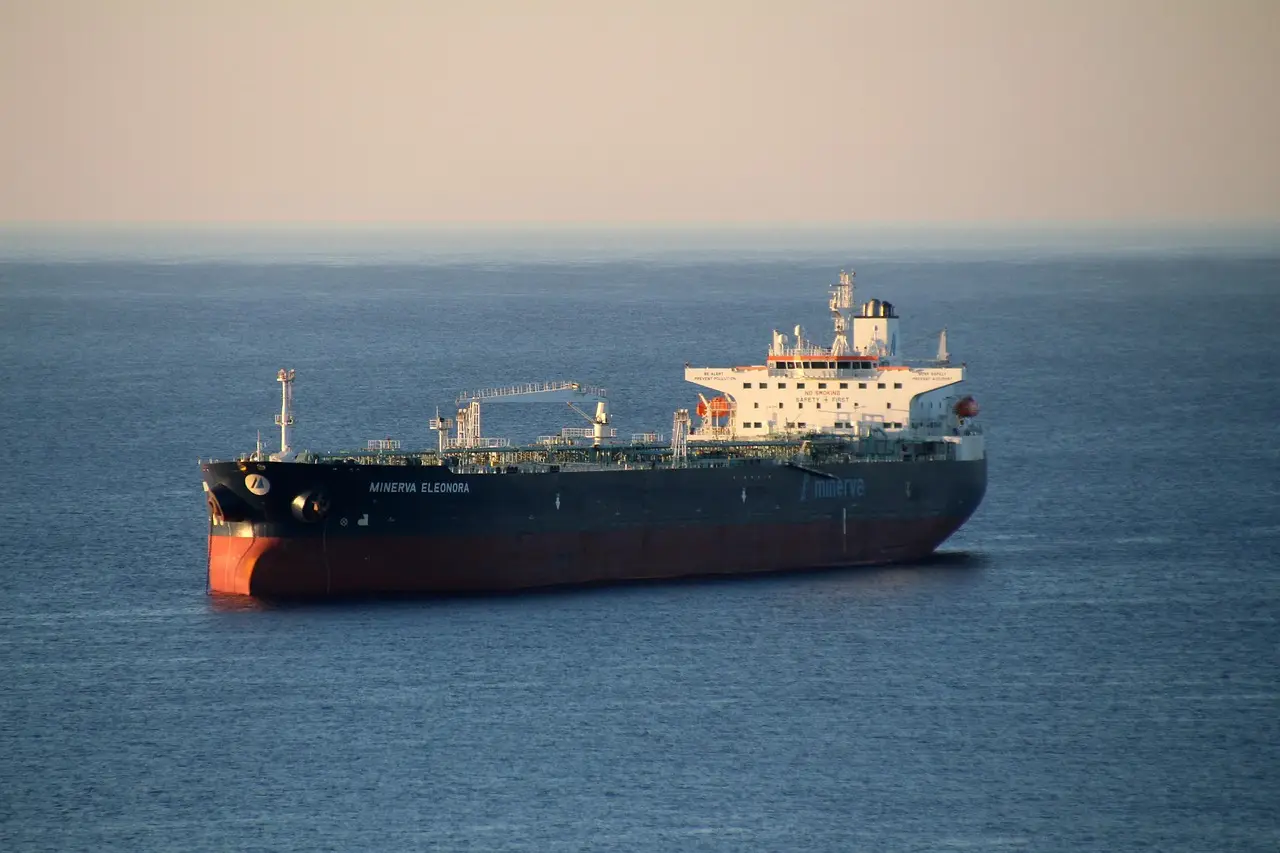
The commercial logic is simple. The terminal is built for Very Large Crude Carriers, the 2-million-barrel-class ships that dominate long-haul crude trades. Loading them directly in deep water cuts out the congested inland port facilities and ship-to-ship transfers that currently add cost and delay. The system's maximum loading rate is 80,000 barrels per hour — meaning a full VLCC cargo in roughly a day of pumping.
What does this change for shippers and carriers?
For tanker owners, it adds a genuine deepwater loading point on the Gulf, reducing reliance on lightering operations and constrained channels. For crude exporters, it expands outright export capacity at a time when Washington wants barrels moving. MARAD also argues safety improves: moving loading operations farther offshore reduces vessel collision risks in busy coastal waterways.
A dedicated pipeline network will feed the terminal, connecting the Nederland Terminal area in Texas and other inland crude hubs to the offshore loading platform. DOT puts the construction payoff at up to 1,052 jobs.
Duffy framed the approval in expansive terms: "Building this port will unleash domestic production, create more than 1,000 good-paying construction jobs along the Gulf of America, and open vital supply lines to global markets."
A queue forming off the Gulf Coast
Blue Marlin is the fourth deepwater port project cleared under this administration, after the Texas GulfLink crude export project, Delfin LNG off Louisiana, and the $8.2 billion ST LNG project approved off Texas just last week. It's also the second crude export project approved since President Trump signed the Unleashing American Energy executive order in January 2025.
The pace is the point. MARAD says changes to its licensing process have shortened review timelines, and Administrator Stephen Carmel said the Blue Marlin approval showed the agency can accelerate energy infrastructure development while maintaining safety standards.
Not every project in the queue enjoyed the fast lane, though. Blue Marlin's initial application dates to October 2020, and MARAD and the U.S. Coast Guard only completed the final environmental impact statement earlier this year. Five years is not exactly a sprint. The review involved the Coast Guard, other federal agencies, and the states of Texas and Louisiana. Separately, the EPA proposed air permits for the facility in October.
No dates, no ribbon yet
One detail is conspicuously absent from the announcement: the administration gave no construction start date and no completion timeline. A license is a permit, not a berth. Energy Transfer's affiliate now owns the regulatory runway, but shippers shouldn't pencil VLCC loadings into any schedule yet.
The trajectory, however, is unambiguous. With GulfLink, Delfin, the $8.2 billion ST LNG terminal and now Blue Marlin all licensed within this administration's tenure, Gulf deepwater export infrastructure is scaling fast — and the tankers that carry it are being invited farther offshore to collect it.
Original: whitehouse.gov
More from Amara Osei
Show full bio
Staff writer covering regulation, policy and their impact on Ocean and air freight, container shipping at Waybill Wire.
761 articles
Related05
US Gulf VLCC buildout: Texas GulfLink the lone project racing toward Q4 2028 start-up
MARAD Clears $8.2 Billion Offshore Texas LNG Port in 410 Days
JAXPORT lands $40m federal grant to rebuild Blount Island berth
PIF Energy commits $2bn to buy up to 15 VLCCs
DP World targets Corpus Christi for US container terminal return