WW/TRADEPOLIC
Liberia Trains Trade Experts for AfCFTA Dispute Settlement
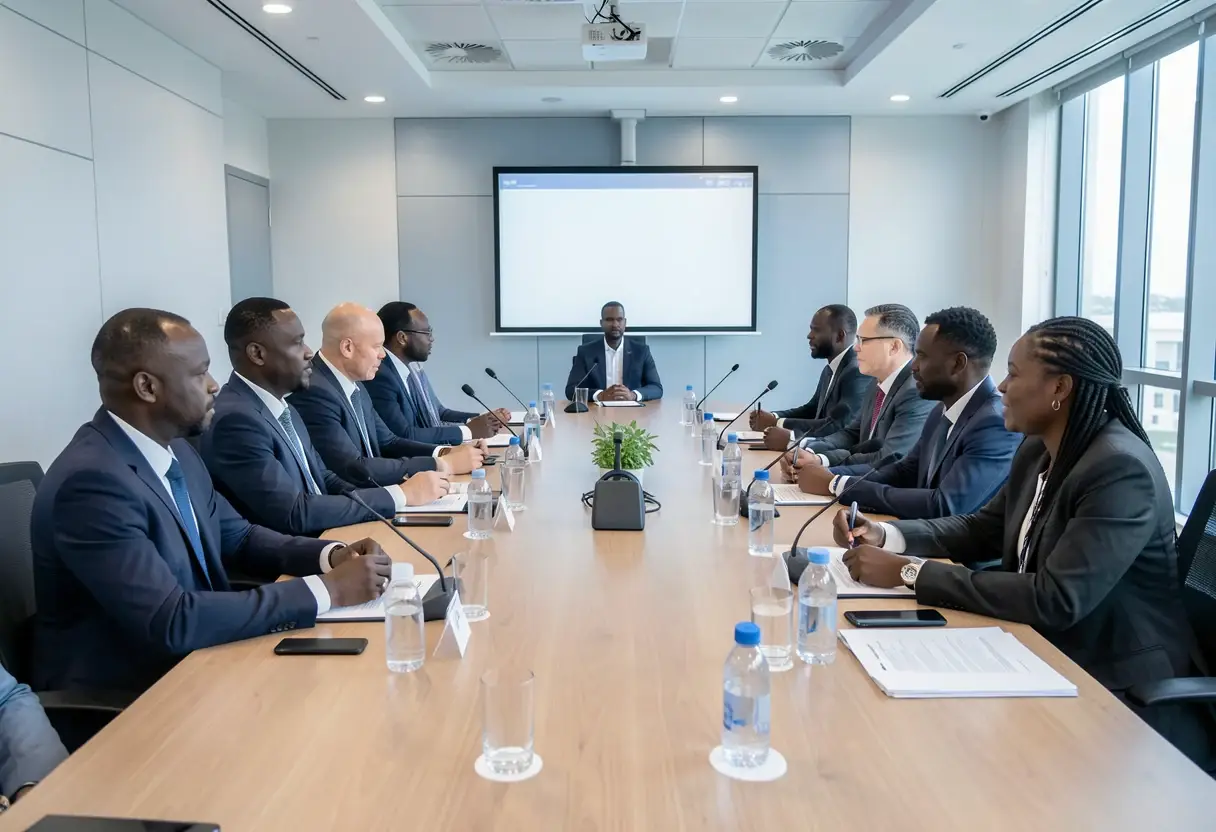
Liberia opened a four-day AfCFTA dispute settlement workshop in Monrovia, building on its 2024 ratification and 2025-2030 implementation strategy.
- Desk
- Trade & Tariffs
- By
- Marcus Bennett
- Filed
- Length
- 643 words
- Read
- 3 min
Key points05
- Liberia signed AfCFTA in March 2018 and became the 48th State Party in 2024
- Four-day dispute settlement workshop held in Monrovia, sponsored by the AfCFTA Secretariat
- National Implementation Strategy runs 2025-2030
- Mechanism established under Article 20 of the AfCFTA Agreement
- Workshop covers initiation of proceedings, adjudication and implementation of rulings
Liberia ratified the African Continental Free Trade Area in 2024, becoming the 48th State Party — and this week it started teaching its officials how to fight under the agreement's rules. A four-day capacity-building workshop on the AfCFTA Dispute Settlement Mechanism opened in Monrovia, sponsored by the AfCFTA Secretariat's Dispute Settlement and Legal Affairs unit and hosted under the Ministry of Commerce and Industry.
The session's core message came from Domason Gbeakeh, Liberia's AfCFTA Focal Person, speaking on behalf of Commerce and Industry Minister Stephen M. Yekeson, Jr. Liberia, he said, must move beyond policy commitments toward practical implementation of the continental trade agreement — a pointed formulation that acknowledges the gap between ratification and readiness.
What foundation does Liberia have?
The country signed the AfCFTA Agreement in March 2018 and ratified it in July 2023, formally becoming the 48th State Party in 2024, according to Bokissou Alfa Hassan Kabo, Head of the AfCFTA Dispute Settlement Mechanism. It has since launched a National Implementation Strategy covering 2025 through 2030, a five-year framework that Gbeakeh described as the foundation for increased participation in continental trade.
Kabo recalled that timeline in her remarks and commended the Liberian government — particularly the Ministry of Commerce and Industry — for requesting technical assistance from the AfCFTA Secretariat to strengthen the National Implementation Committee and build dispute-settlement expertise. A government asking for capacity help rather than declaring it already possesses such capacity is itself a data point worth noting.
Why does dispute settlement matter commercially?
Gbeakeh's argument was concrete about where friction will arise. As commercial activity expands across Africa, he said, disagreements over market access, rules of origin, tariff classifications, standards and non-tariff barriers are inevitable. The specific friction points he named read like a checklist of the disputes that have tested other regional trade regimes:
- market access
- rules of origin
- tariff classifications
- product standards
- non-tariff barriers
An effective dispute settlement mechanism, he argued, is essential to ensuring fairness, protecting national trade interests and resolving disagreements peacefully — the difference between a rules-based regime and one where smaller economies absorb losses they lack the legal capacity to contest.
The economic stakes extend beyond the state. Gbeakeh linked dispute-settlement capacity to the government's ARREST Agenda for Inclusive Development, arguing it would promote a predictable business environment, protect micro, small and medium-sized enterprises, attract investment and expand opportunities for Liberian exporters across Africa. For MSMEs, which rarely have in-house trade lawyers, a functioning state-level mechanism is effectively their only recourse when a trading partner blocks goods at the border.
What does the mechanism actually do?
Kabo explained that the Dispute Settlement Mechanism, established under Article 20 of the AfCFTA Agreement, provides what she called a transparent, fair, predictable and accountable framework for resolving trade-related disputes among member states. The workshop will take participants through the full process: initiating proceedings, adjudication, and the implementation of recommendations and rulings.
She also set expectations for the trainees. Countries participating in international trade, she said, must possess the capacity to defend their rights and address disputes arising from the implementation of trade agreements. She challenged the participating experts to use the knowledge acquired to advise and represent Liberia effectively if disputes emerge from the continental agreement.
What was not said
No timeline was given for when Liberia might field its first case-ready legal team, and no budget figure accompanied the workshop. The four-day format is training, not institutional build-out; the National Implementation Committee's strengthening remains, on this evidence, at the technical-assistance stage.
The organizers expect the workshop to strengthen Liberia's preparedness to participate effectively in the AfCFTA and to position it to take advantage of the continent's integrated market — a promise whose test will come with the first dispute Monrovia must actually argue.
Source: africa.com
More from Marcus Bennett
Show full bio
Senior reporter covering regulation, policy and their impact on Ocean and air freight, container shipping at Waybill Wire.
956 articles
Related05
Intra-African Trade Grew 5.5% in 2025 but Is Still Only 14% of Total
OACPS wants unified EU bargaining as climate finance takes priority
FIATA World Congress heads to Addis Ababa, 5–7 October 2027
Congo Tells US to Turn Mineral Privileges Into Real Investment
FIATA names Addis Ababa as host city for 2027 World Congress