WW/AIRCARGO
Latam revives the preighter: first cabin-cargo passenger jet in four years
Latam flew an A319 from Quito with cargo on passenger seats — the first cabin-cargo passenger jet since 2022 — delivering 28,450 lbs of flood relief to the Galapagos.
- Desk
- Air Cargo
- By
- Elena Vasquez
- Filed
- Length
- 579 words
- Read
- 3 min
Key points05
- Latam operated the first passenger aircraft with cabin cargo in four and a half years, an Airbus A319 from Quito to the Galapagos.
- The flight carried about 28,450 pounds of relief supplies for more than 2,000 families on Santa Cruz Island.
- Cabin loading added 13,450 pounds, nearly doubling the A319's cargo payload of about 15,000 pounds.
- Latam Cargo's 19 Boeing 767-300 freighters could not serve Baltra Airport because its runway is too short for a fully loaded jet.
- Covid-era preighter flights ended by the first half of 2022 as travel and cargo capacity rebounded.
An Airbus A319 has become the first passenger aircraft in four and a half years to fly with cargo loaded in the cabin, as Latam Airlines dusted off the pandemic-era "preighter" playbook to deliver emergency aid to Ecuador's flood-hit Galapagos Islands.
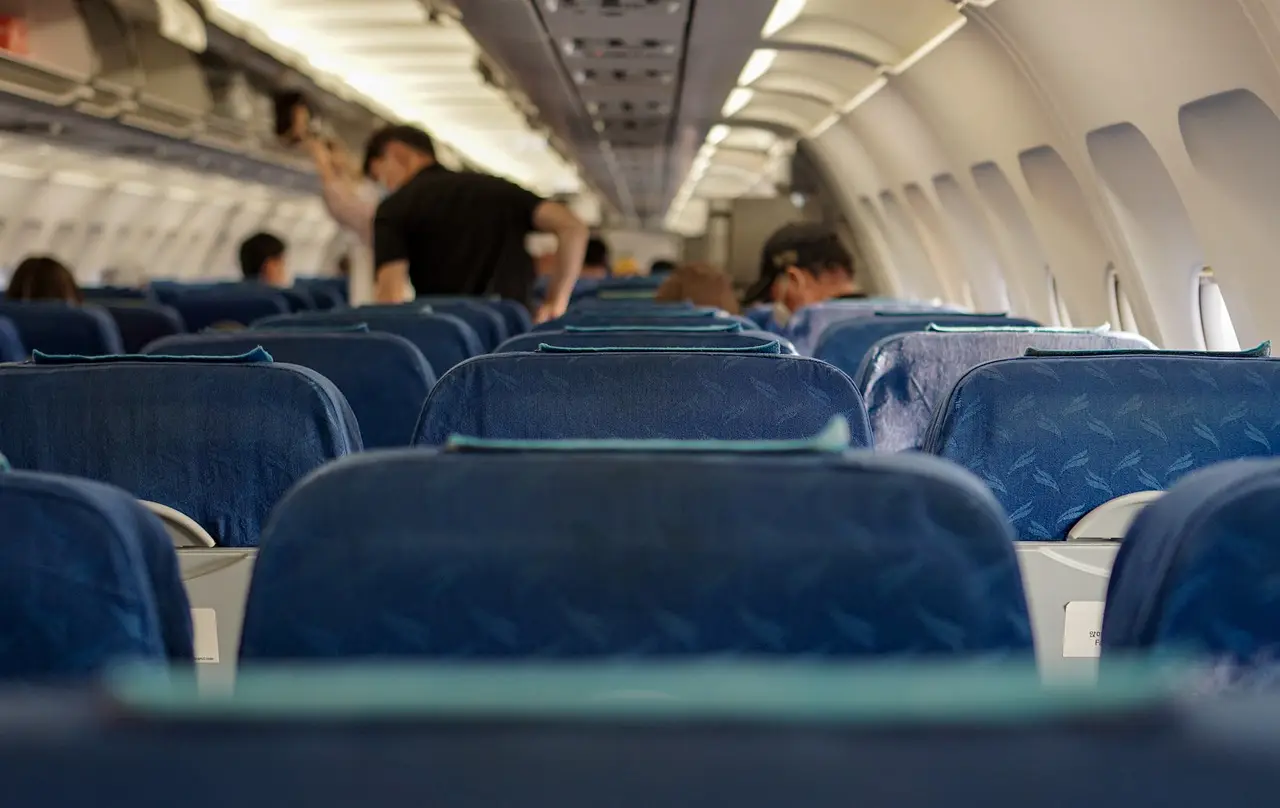
The South American carrier activated the narrowbody last week to move relief supplies from Quito to the archipelago, which suffered heavy flooding after sustained rains. Beyond filling the lower deck, Latam loaded cartons of aid directly onto the passenger seats — the improvisation that defined air cargo's response to the 2020 Covid shutdowns.
Latam said it transported about 28,450 pounds of food, water and hygiene kits in total, enough to support more than 2,000 families affected by flooding on Santa Cruz Island. The company donated the flight, operating it at the request of the Chamber of Industries and Production and Grupo Entregas.
Why did Latam put cargo in the cabin?
The decision came down to runway concrete. Latam Cargo operates a dedicated fleet of 19 Boeing 767-300 freighters and helped coordinate logistics for the mission, but the medium widebody jets could not be used. Baltra Airport, the Galapagos gateway, lacks a runway long enough to handle a fully loaded aircraft of that size, and officials did not want to cut the volume of aid delivered.
That constraint made the A319 the right tool. The numbers explain the improvisation:
- On a regular passenger service, an A319 carries about 7,700 pounds of cargo.
- With no passengers aboard and only the belly hold in use, capacity roughly doubles to about 15,000 pounds.
- Loading the cabin seats added another 13,450 pounds — nearly doubling the maximum payload again.
In other words, the cabin stowage delivered almost as much aid as the entire freight-carrying capability of the emptied aircraft beneath it, turning one relief flight into the equivalent of nearly two.
What is a preighter, and why did they disappear?
When air travel and the global economy shut down in 2020, airlines worldwide quickly converted passenger aircraft into temporary freighters — "preighters" — often stacking cartons where passengers normally sit. The goal was to meet soaring demand for medical supplies and other high-priority goods while passenger networks sat idle.
Those flights ended by the first half of 2022, as the travel industry and competing cargo transport modes rebounded and belly capacity returned to the market. Latam's Galapagos mission is the first cabin-cargo passenger operation since that era closed, making it a rare event rather than the start of a trend.
What does it signal for shippers?
For shippers and forwarders, the flight is a reminder that payload flexibility still exists at the margins of airline operations when necessity demands it. A carrier willing to load seats when a runway limit caps widebody freighter access demonstrates the kind of operational elasticity that humanitarian logistics — and, occasionally, time-critical commercial cargo — can call on.
But the economics that once made preighters routine remain absent. With global belly capacity restored since 2022 and dedicated freighter fleets flying, no commercial case currently exists for cabin cargo on passenger decks. Latam's own mission was a donated flight for disaster relief, not a revenue service.
Unless capacity tightens again or another crisis narrows the options, operators say the preighter is likely to stay a museum piece — a Covid-era tactic pulled off the shelf only when geography, runway length and urgency align as they did over the Galapagos.
Source: FreightWaves
More from Elena Vasquez
Show full bio
News editor covering people, launches and day-to-day practice in Ocean and air freight, container shipping at Waybill Wire.
803 articles
Related05
Latam Cargo Flies Two Armored Popemobiles From São Paulo to Lima
LATAM's Miami–Belo Horizonte Freighters Move 800 Tonnes in Year One
Air Capacity Into Latin America Soars, But 54% of Airports Saturated
All Five Victims of Miami Cargo Jet Crash Were Ground Crew in Cleaner Van
NTSB: No wind warning before Amazon cargo jet crashed in Miami