WW/PORTSTERMI
Konecranes Lifts Port Solutions Growth Target to 7% in Strategy Overhaul
Konecranes targets 7% annual sales growth for Port Solutions and lifts its EBITA margin goal to 9–12%, as part of a group-wide strategy targeting 15–17% margins by 2030.
- By
- Tom Whitfield
- Filed
- Length
- 439 words
- Read
- 2 min
Key points03
- Port Solutions targets 7% annual net sales growth and a comparable EBITA margin of 9–12%, up from 9–11% previously.
- Group-level targets: 7% compound annual sales growth and a comparable EBITA margin of 15–17% by 2030 at the latest, up from 13–16%.
- New dividend policy sets a payout ratio of 40–60% of earnings over the business cycle; further details at Capital Markets Day in Helsinki on 23 October.
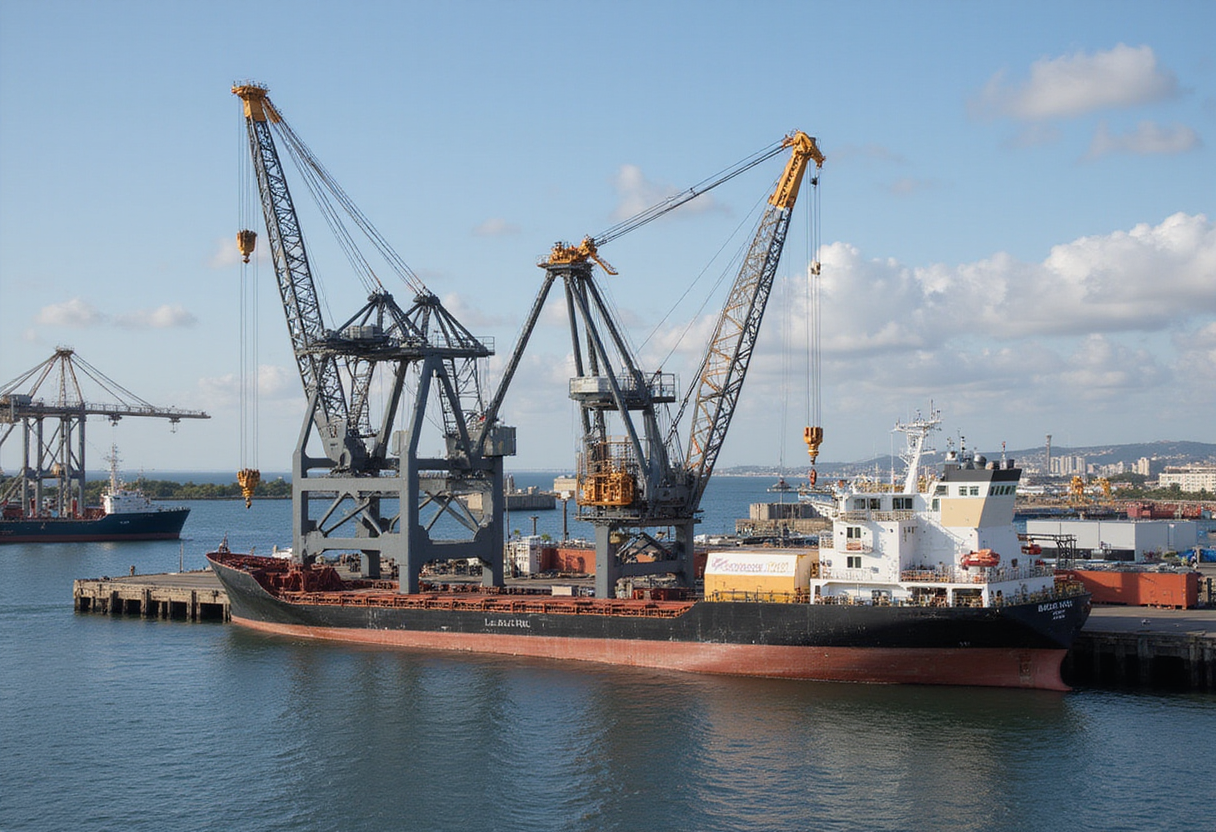
Konecranes has set a 7% annual net sales growth target for its Port Solutions business, the segment that supplies cranes and lifting equipment to container terminals worldwide, as part of a new strategy built around accelerating profitable growth.
The Finnish group also raised the profitability bar for the segment. Port Solutions now targets a comparable EBITA margin of 9–12%, up from the previous range of 9–11%.
At group level, Konecranes is targeting compound annual net sales growth of 7%. That replaces a vaguer previous goal of growing sales faster than the overall market. The company lifted its group comparable EBITA margin target to 15–17%, to be achieved by 2030 at the latest. The previous range was 13–16%.
The commercial implications for terminal operators are straightforward. Konecranes says growth will come from expanding market share both organically and through acquisitions — a signal that the consolidation trend in port equipment manufacturing is set to continue. The company also plans to broaden its product offering, strengthen technology and service capabilities, and increase its presence across different geographical markets and customer segments.
"Konecranes has built a strong foundation, and we are ready for the next wave of accelerated growth," said Marko Tulokas, President and CEO of Konecranes.
Technology and automation take centre stage
Technology will play a central role in the strategy. Konecranes plans increased investment in product intelligence, autonomy and modularity — capabilities that matter directly for terminals pushing toward automated and semi-automated operations.
The company also intends to make greater use of operational data and artificial intelligence, both to improve its own efficiency and to develop data-enabled services for customers. For port operators, that points toward a growing share of Konecranes revenue coming from lifecycle services and digital offerings rather than one-off equipment sales.
Alongside technology, Konecranes plans to expand its service business and strengthen customer relationships throughout the lifecycle of its equipment — a model that ties terminal operators into long-term maintenance and upgrade relationships with the manufacturer.
The segment-level targets break down as follows: Industrial Service is targeting annual sales growth of 7% with a comparable EBITA margin of 23–25%, while Industrial Equipment is targeting 6% annual growth and a margin of 10–12%.
Konecranes also updated its dividend policy, setting a payout ratio of 40–60% of earnings over the business cycle, excluding exceptional gains or losses.
The company will provide further details on its accelerated growth strategy and financial targets during its Capital Markets Day in Helsinki on 23 October, where management is expected to flesh out how the higher targets map onto capacity, pricing and technology investment plans.
Source: Container News
More from Tom Whitfield
Show full bio
Market editor covering consumer brands and retail at Waybill Wire.
129 articles
Related05
Konecranes lifts targets, adds €100m buy-back and 90% emissions cut
Konecranes Port Solutions chief Tomas Myntti to retire in March 2027
Kotug Buys Majority Stake in Dubai's Vortex Offshore
APM Terminals chief: ports must sweat assets, not just buy cranes
Maritime tech's scale problem: 4,900 suppliers, $3bn VC and a buyout endgame