WW/OCEANFREIG
KOGAS ordered to pay $200m over KC-1 LNG carrier defects
Seoul High Court orders KOGAS to pay KRW268.5bn ($200m) to SK Shipping and Samsung Heavy over KC-1 containment defects that sidelined two 2018-built LNG carriers.
- Desk
- Ocean Freight
- By
- Tom Whitfield
- Filed
- Length
- 559 words
- Read
- 3 min
Key points05
- Seoul High Court ordered KOGAS to pay KRW268.5bn ($200m) in compensation
- SK Shipping awarded KRW220.4bn, nearly double the lower-court figure; Samsung Heavy gets KRW48.1bn
- LNG carriers SK Serenity and SK Spica, delivered 2018, withdrawn five months after delivery
- Cold spots in KC-1 insulation risked brittle fracture of hull steel
- KC-1 was developed from a 2004 national programme to reduce dependence on France's GTT
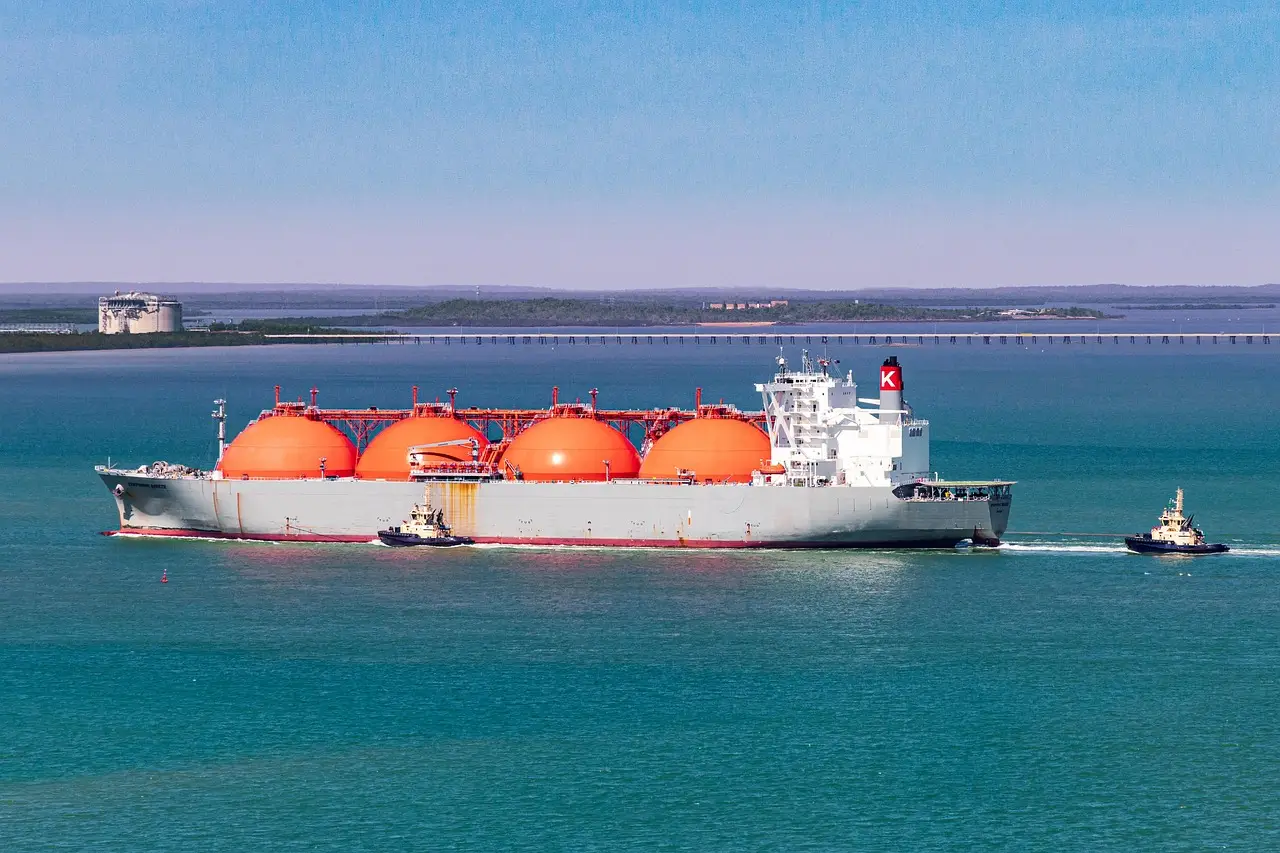
South Korea's state gas utility KOGAS must pay nearly $200m to SK Shipping and Samsung Heavy Industries after the Seoul High Court confirmed that design flaws in the domestically developed KC-1 LNG containment system left two carriers unfit for safe operation.
The ruling, handed down last week, lifts total compensation to KRW268.5bn ($200m). SK Shipping takes KRW220.4bn — almost double what the lower court had awarded — while Samsung Heavy receives KRW48.1bn. The decision can still be appealed, so the final bill may move again.
What went wrong with the ships?
The case centres on the 174,000-cubic-metre-class LNG carriers SK Serenity and SK Spica, both built in 2018 and the first vessels ever fitted with the KC-1 system. Both ships left service just five months after delivery.
KC-1 was no ordinary piece of kit. It grew out of a national research programme launched in 2004, aimed at cutting South Korea's dependence on foreign containment designs — above all France's GTT, which dominates the membrane containment market and collects royalties on most Korean-built LNG carriers.
The ambition was real. So was the failure. Investigations found cold spots in the insulation systems, places where cargo-side temperatures dropped below permitted safety limits. That matters because prolonged cold exposure risks brittle fracture in the hull steel — a structural failure mode, not a paperwork problem.
SK Shipping and Samsung Heavy sued KOGAS in 2019, claiming lost earnings, repair costs and related losses.
Why the appeals court raised the payout
The higher award for SK Shipping reflects losses the lower court had not counted. The appeals bench recognised additional damage from the prolonged withdrawal of both vessels, including:
- financing costs on idle tonnage
- maintenance while the ships sat out of service
- the cost of replacement shipping capacity to cover the contracts
The court also threw out a counter-claim. KOGAS had sought damages from SK Shipping for failing to provide substitute vessels; that argument failed entirely.
What does this change for Korean shipbuilding?
The commercial consequences cut in several directions. For SK Shipping, the money offsets years of lost charter revenue on two premium LNG carriers that should have been earning through the 2018-2020 LNG carrier market. For Samsung Heavy, the award partially covers its exposure as the builder of the first-of-kind vessels.
For KOGAS, the bill lands on a state-owned utility at a time when Korean yards are marketing homegrown containment technology as an alternative to GTT's dominance. A court-confirmed $200m design liability does not help that pitch. Any operator weighing KC-1 against proven GTT membrane systems will now price in a demonstrated failure history on the first two ships — and a 15-year legal-technical saga that only ended after both vessels were pulled from service within months of delivery.
It also raises a due-diligence question for charterers and financiers of first-of-class gas carriers: who carries the loss when a nationally backed technology fails at sea? Here, the answer from the Seoul High Court is the technology's institutional sponsor, not the shipowner or the yard.
The ruling remains subject to possible further appeal, and KOGAS's next move — a Supreme Court challenge or payment — will determine whether the KC-1 chapter closes with the liability now fixed at KRW268.5bn.
Source: Splash247
More from Tom Whitfield
Show full bio
Market editor covering companies, deals and strategy in Ocean and air freight, container shipping at Waybill Wire.
923 articles
Related05
Thenamaris Back in LNG Newbuilds With $494m HD Hyundai Pair
Seoul Clears $2.6bn Sinar Mas Takeover of Hyundai LNG Shipping
Trump to Tap Seoul's $54B for Alaska LNG Linking US, Asia
Celsius books fourth LNG carrier of the year at Samsung for $257m
KMTC Breaks With Tradition, Orders Six Boxships at Chinese Yard