WW/PORTSTERMI
Isuzu's First Container Reaches Inland Port Greer as SC Ports Courts Auto Supply Chains
First Isuzu production-equipment container moved from Charleston to Inland Port Greer by rail, ahead of the truck maker's 2027 Greenville County production start.
- By
- Marcus Bennett
- Filed
- Length
- 576 words
- Read
- 3 min
Key points05
- First Isuzu container arrived at Port of Charleston and moved by rail to Inland Port Greer.
- Isuzu's Greenville County plant begins production in 2027; site selected in 2025 partly for Charleston rail access.
- SC Ports completed a $55 million Inland Port Greer expansion in 2025, adding 9,000 feet of rail and 50% more capacity, to 300,000 lifts annually.
- SC Ports facilities handle about 10% of US containerised automotive cargo, per PIERS data cited by the port.
- Inland Port Greer posted 355% growth in its first decade of operations.
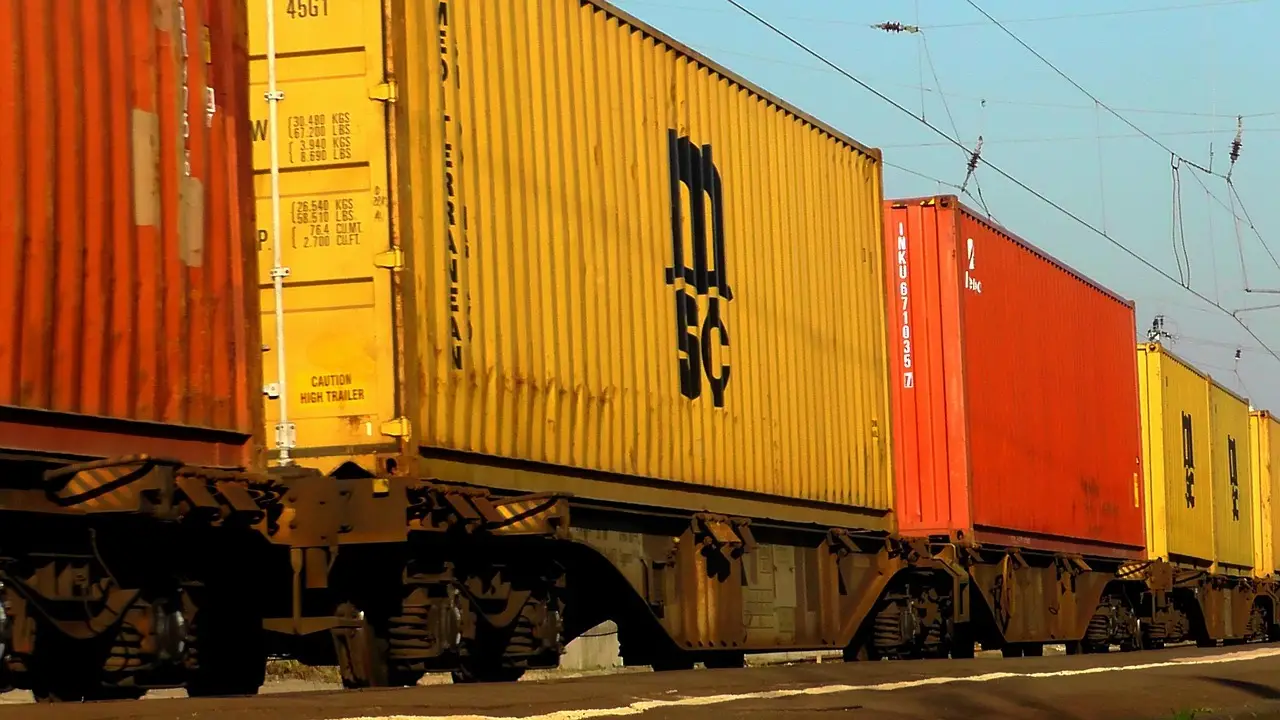
South Carolina Ports has handled the first container carrying production equipment for Isuzu North America Corporation's new manufacturing facility, moving the cargo from the Port of Charleston by rail to Inland Port Greer. The shipment marks an early logistics milestone for Isuzu's planned production operations in Greenville County — though it is equipment, not yet the regular component flow that will define the plant's freight footprint from 2027 onward.
Isuzu selected the South Carolina site in 2025, citing in part its rail connection to the Port of Charleston. Production is scheduled to begin in 2027. The plant will manufacture three truck lines: the N-Series Gas, the N-Series Electric and the F-Series Diesel.
For shippers and forwarders serving automotive manufacturing in the Southeast, the significance lies in what this routing signals: Isuzu chose a location where imported production equipment and, eventually, components can move directly from vessel to rail without a trucking leg through Charleston's congested approaches.
What does Inland Port Greer actually offer?
The facility sits on the Interstate 85 corridor between Atlanta and Charlotte, linking the Port of Charleston to industrial customers across the southeastern United States. Norfolk Southern runs overnight rail service six days a week, and the terminal operates with 24-hour gate access.
SC Ports completed a $55 million expansion of the inland port in 2025. The project added 9,000 feet of rail infrastructure and lifted cargo handling capacity by 50%. Post-expansion, the terminal can handle up to 300,000 rail lifts annually — capacity that now has a marquee customer anchoring demand.
How big is Charleston in automotive logistics?
According to SC Ports, citing PIERS data, its facilities handle approximately 10% of containerised automotive cargo volumes in the United States. The port authority also reported that Inland Port Greer recorded 355% growth during its first decade of operations.
Those are port-authority figures, and both deserve a caveat: SC Ports has an obvious commercial interest in advertising its automotive credentials, and the 355% decade-long growth rate starts from a low base in the terminal's early years. Neither number is independently verified in the announcement. Even so, a 10% national share of containerised auto cargo would place Charleston among the primary gateways for the sector.
SC Ports President and CEO Micah Mallace welcomed the Isuzu shipment and highlighted the inland port's role in supporting industrial supply chains.
"Having a reliable and efficient supply chain is critical to our long-term success as we establish production operations in South Carolina," said Yoshi Murakami, Chairman and CEO of Isuzu.
The relationship is being tended at senior level. SC Ports' Director of Vessel Operations & Carrier Sales Tom Boyle and Chief Commercial Officer Byron Miller recently traveled to Isuzu Global Headquarters in Yokohama, Japan — a sign that the port authority views the Greenville County plant as a long-term account rather than a one-off equipment move.
What happens next?
The latest delivery is production equipment, not the start of regular component shipments. Isuzu's manufacturing operations begin in 2027, meaning the Charleston–Greer rail corridor will not see the plant's true container volumes for another two years. Until then, the milestone is a proof of concept: Isuzu's stated reason for choosing the site — rail access to Charleston — has now been exercised once. Whether it scales into sustained N-Series and F-Series component traffic depends on volumes the company has not yet disclosed.
Source: Container News
More from Marcus Bennett
Show full bio
Senior reporter covering regulation, policy and their impact on Ocean and air freight, container shipping at Waybill Wire.
645 articles