WW/TRADEPOLIC
India's garment exporters cut US exposure after 50% tariff shock
Orient Craft cut US sales from 84% to under 10% after tariffs hit 50%. Gokaldas targets Europe as India's US textile exports fall 9.8% to $4.0 billion.
- Desk
- Trade & Tariffs
- By
- Amara Osei
- Filed
- Length
- 722 words
- Read
- 4 min
Key points05
- Orient Craft's US sales share fell from 84% to under 10% after tariffs reached 50% in 2025
- India's April-August textile exports to the US fell 9.8% to $4.0 billion while other markets grew 3.7% to $15.2 billion
- Gokaldas Exports aims to raise Europe's revenue share to 25-30% within 3-5 years, cutting US exposure to 35-40%
- US duties on Indian goods now stand at 10% under Section 301 plus 6-12% base tariffs
- India's domestic apparel market is worth $150 billion and growing 7-8% annually
Sudhir Dhingra has cut Orient Craft's US sales from 84% of revenue to under 10%, and he doesn't plan to reverse course even if Washington lowers duties. The founder of one of India's long-standing garment makers says the tariff shock — which pushed duties on Indian goods as high as 50% last year — taught him a lesson about concentration risk. "Even if there is a deal, what is the guarantee that it will hold water?" he said. "I don't wish to see that sword on my head."
The numbers behind the shift are stark. Dhingra said US buyers cancelled orders or demanded discounts after President Donald Trump announced the tariff hikes in April 2025, with some asking suppliers to absorb 25% of the duty — on manufacturing margins of less than 10%. That arithmetic doesn't work, so Orient Craft redirected sales to Britain, Europe and India itself. Annual exports now run about 1.5 billion rupees ($15.82 million).
US duties on Indian products currently sit at 10% under Section 301, plus base tariffs of 6% to 12%. For context, that's still a meaningful add-on for buyers who spent years building lean supply chains around low-cost sourcing.
What does this change for India's export map?
Gokaldas Exports, which employs more than 53,000 people and ranks among India's largest garment exporters, is making the same move deliberately. Managing Director Sivaramkrishnan Ganapathi calls it permanent: "It is not a temporary shift."
His plan: lift Europe's revenue share from 15-16% to 25-30% over the next three to five years, cutting the US share to 35-40% from 50-55%. That's roughly a quarter of revenue migrating trade lanes.
The aggregate data confirms the pivot. From April to August, India's textile, apparel and home-furnishings exports to the US fell 9.8% to $4.0 billion, while shipments to other markets rose 3.7% to $15.2 billion, according to the Global Trade Research Institute. The US share of Indian exports dropped to 25.4% at the end of August, down from 28.3% in 2022.
Policy tailwinds help. Indian clothing gets duty-free access to Britain under the India-UK trade deal that took effect in July, and a similar EU agreement could eliminate duties of 12% to 17%. "Germany, France, Italy and the Netherlands are key targets," said A. Sakthivel, chairman of the Apparel Export Promotion Council.
Factories move inland to Ranchi
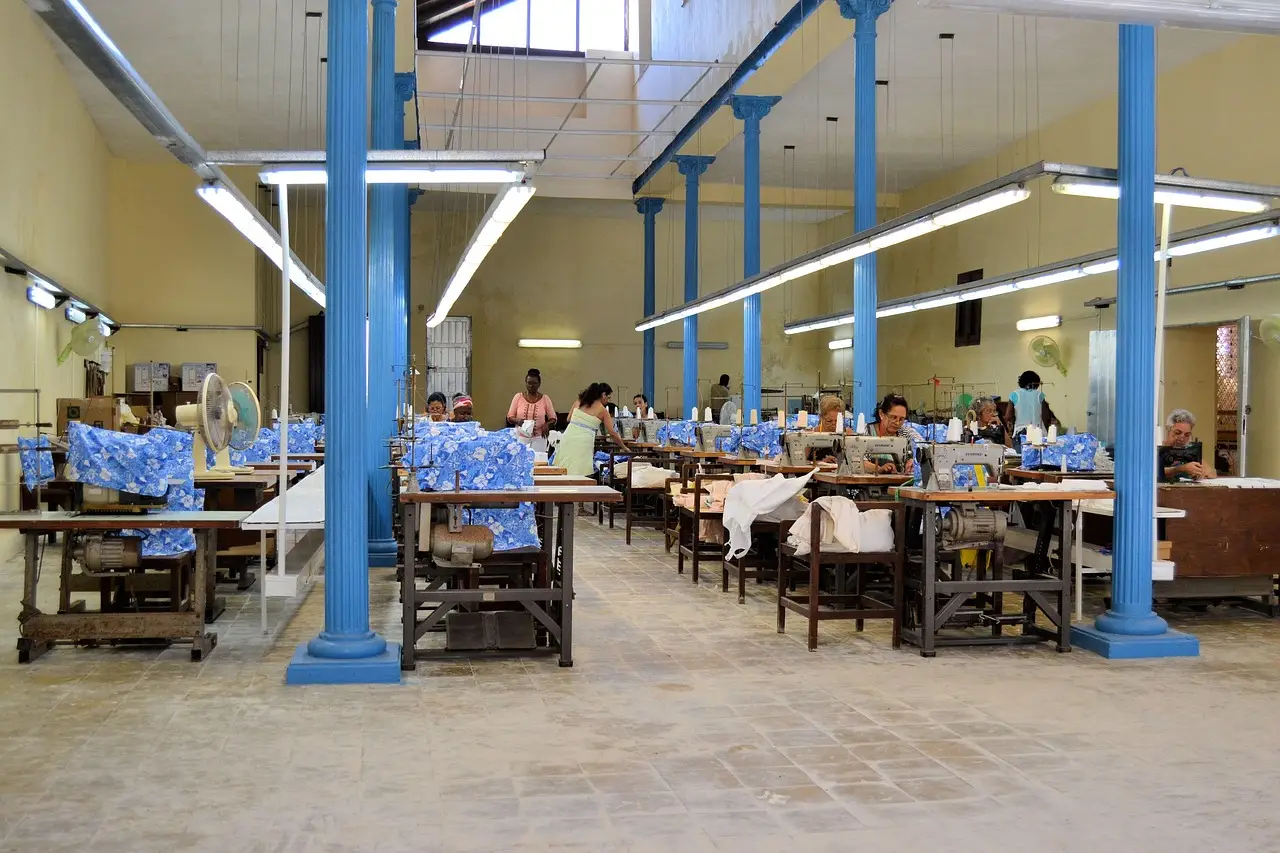
Exporters are also cutting costs at the production end. Ranchi, in Jharkhand, a city better known for coal and iron ore, is luring garment factories with subsidies, easier land access and what employers describe as an educated, reliable workforce.
Reuters visited three factories in and around Ranchi, together employing about 8,000 people. "We have at least a 10% efficiency advantage here over other locations," said Mrityunjay Singh, senior vice president of operations at Gokaldas, which runs two Ranchi plants and plans a third that would create up to 4,600 jobs.
Birendra Rawat of Ranchi-based Auburn Design, which produces 5-6 million garments a month — including Jockey underwear for local licensee Page Industries — put it simply: "We can't rely on a single market, product or buyer."
Diversification as structure, not tactic
Notably, India hasn't fully capitalised on China's retreat from US textile imports; Vietnam captured that share far faster. But India's domestic apparel market, valued at $150 billion and growing 7-8% a year, gives exporters a cash-flow buffer that pure-play exporters elsewhere lack.
"Diversification is becoming a structural strategy, especially for exporters heavily exposed to the US market," said Chandrima Chatterjee, secretary general of the Confederation of Indian Textile Industry.
Exporters won't abandon the US entirely — the market is too big and the buyer relationships too old. But even if duties ease under a future trade pact, the pre-tariff dominance of American orders looks gone for good. As Dhingra put it: "The US market remains important, but it can't decide the future of thousands of families who depend on us."
For carriers and forwarders, expect a gradual rebalancing of volumes from transpacific apparel lanes toward Europe- and UK-bound services, with inland sourcing clusters like Ranchi adding new trucking and rail demand in eastern India.
Source: news.tuoitre.vn
More from Amara Osei
Show full bio
Staff writer covering regulation, policy and their impact on Ocean and air freight, container shipping at Waybill Wire.
855 articles
Related05
Rubio: US and India 'very close' to trade deal
India's shipping bill nears $100 bn as West Asia conflict spikes rates
US tariffs speed up trade realignment; India's FTAs take center stage
Democrat Sweep Eases India's Tariff Pain, but $120 Oil Looms
Rubio Says US-India Trade Deal Close — Details Remain Scarce