WW/MARKETANAL
Hafnia abandons Torm pursuit and prepares to unwind near-20% stake
Hafnia drops its Torm bid and will unwind a near-20% stake, African nations advance shipping carbon charges, and 50,000 Filipino seafarers face a suspected data breach.
- Desk
- Rates & Markets
- By
- Marcus Bennett
- Filed
- Length
- 715 words
- Read
- 4 min
Key points05
- Hafnia abandoned its pursuit of Torm and will unwind its near-20% holding
- African nations are advancing plans for carbon charges on international shipping
- Suspected data breach affects more than 50,000 Filipino seafarers
- Panama opened a new criminal front in its dispute with CK Hutchison
- South Africa is scrambling to clear a worsening backlog at Durban
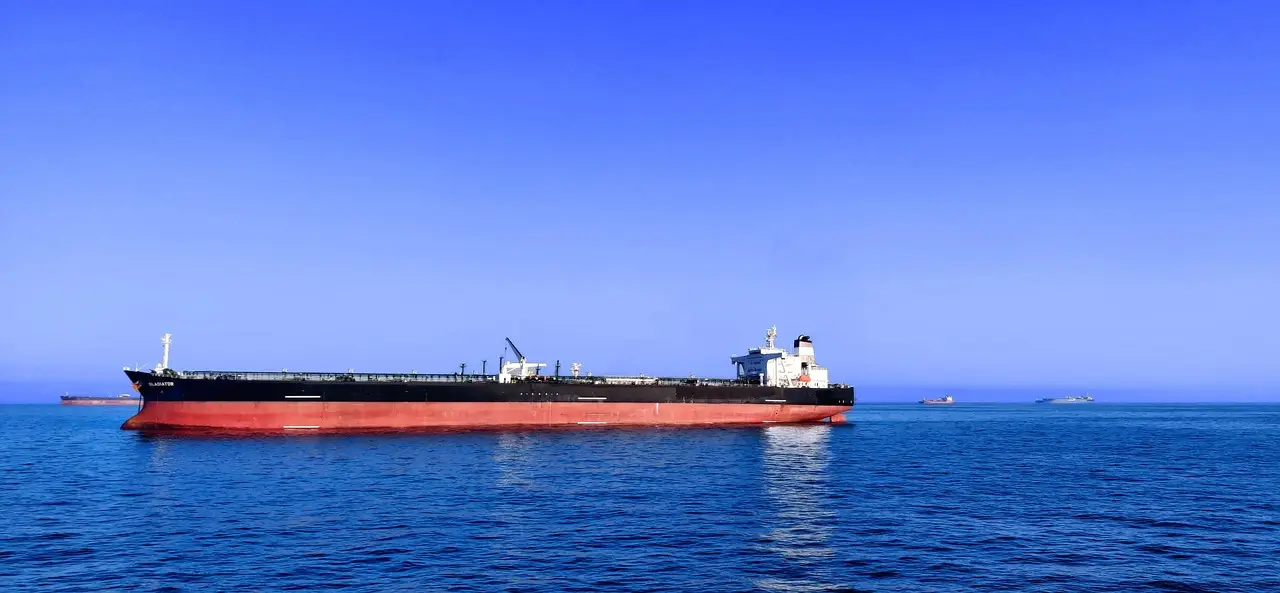
Hafnia, the BW Group-backed product tanker operator, has officially abandoned its pursuit of Danish rival Torm and is preparing to unwind its near-20% holding after failing to win support for a combination of the two shipping giants.
The collapse of the deal talks removes one of the largest prospective consolidations in the product tanker segment. Hafnia built its stake as leverage for a merger; with that strategy dead, the exit of a holding worth roughly a fifth of Torm's equity now becomes the story. Neither side has detailed the timetable for the unwind, and shippers should note that the commercial consequences of a stake sale — potential share-price pressure and a reordering of Torm's register — remain unquantified.
The week's backdrop was violent. It has been an especially bloody stretch in both the Persian Gulf and in and around the Black Sea, with little sign of peace despite the much-touted meeting between the leaders of Russia, China and the US in Shenzhen. For tanker and boxship operators routing through those waters, war-risk premia and rerouting costs stay in place — though the source gives no figures on either.
A second emissions regime on the horizon?
A growing group of African nations is pushing ahead with plans to introduce carbon charges on international shipping, raising the prospect of another regional emissions regime for shipowners already grappling with European environmental legislation. If the African proposals mirror the EU's approach in structure, owners would face a third layer of carbon accounting after FuelEU Maritime and the EU ETS — though the source stops short of confirming any charge level, start date or geographic scope. Every promise of a new levy here carries a caveat: nothing has been enacted yet.
What the industry's own leaders are saying
Two interviews stand out from the week. TCC Group's Emily Koo warned that elevated vessel prices, an over-reliance on market statistics and a narrow focus on technology risk distracting dry bulk shipping from the bigger challenges ahead. Andre Simha, the former MSC digital chief, told Maritime CEO that shipping companies risk pouring money into artificial intelligence before fixing the poor data and disconnected systems that continue to hold back the industry. Simha's caution lands at a moment when vendors are selling AI hard — SplashTech's feature this week found industry leaders arguing that proprietary data, deep sector expertise and real-world results matter far more than the AI models themselves, as the technology becomes increasingly commoditised.
Over at Splash Cruise, the site spoke with Maikel Arts, head of cruise at Wärtsilä Marine.
Crewing: a breach of 50,000 seafarers' data
Splash Crew, the newest Splash channel launched last week, targets seafarers, crewing professionals, shipmanagers, regulators and maritime technology companies. Its early coverage is not gentle reading:
- A suspected data breach affecting more than 50,000 Filipino seafarers — a figure that, if confirmed, would rank among the largest crew-data exposures on record
- Widespread violations of work and rest hour regulations
- Indian prime minister Narendra Modi's proposed new international Seafarers' Safety Initiative
None of these stories carries a confirmed enforcement outcome yet; each is a proposal, an allegation or a suspected incident at this stage.
Ports: liner takeover of infrastructure accelerates
The ports beat produced four distinct developments. The world's largest containerlines are accelerating their takeover of port infrastructure — a trend with direct consequences for non-carrier terminal operators and for shippers wary of carriers controlling the gateways. Weather is battering energy hubs. Panama has opened a new criminal front in its dispute with CK Hutchison, deepening the legal uncertainty around the ports at both ends of the canal. And South Africa is scrambling to clear a worsening backlog at Durban.
The tech-outage lesson for shipping
It was a tough week for Big Tech, with numerous outages making headlines worldwide. This week's Splash Wrap podcast assesses the lessons for shipping from those failures — a timely question for an industry whose port calls, documentation and crew rotations now run on the same cloud infrastructure that just stumbled.
With Hafnia walking away, African carbon charges gathering pace and carriers still buying terminals, the through-line of the week is concentration: fewer independent owners, more regional regulation, and more carrier control of infrastructure.
Original: splashcruise.com
More from Marcus Bennett
Show full bio
Senior reporter covering regulation, policy and their impact on Ocean and air freight, container shipping at Waybill Wire.
989 articles
Related05
Hapag-Lloyd CEO: Demand Holds, Middle East Risk Doesn't
LR2 Tanker Earnings Triple on WCI-UKC Lane as Middle East Flows Shift
Hapag-Lloyd Takes $600m Hit From Middle East Crisis
Hapag-Lloyd lifts 2026 guidance as Maersk tipped for $5.4-5.5bn Q3
LNG Flows Through Hormuz Keep Climbing, Still 75% Below Pre-War