WW/OCEANFREIG
Gulf Energy Maritime orders up to four LR1 tankers at K Shipbuilding
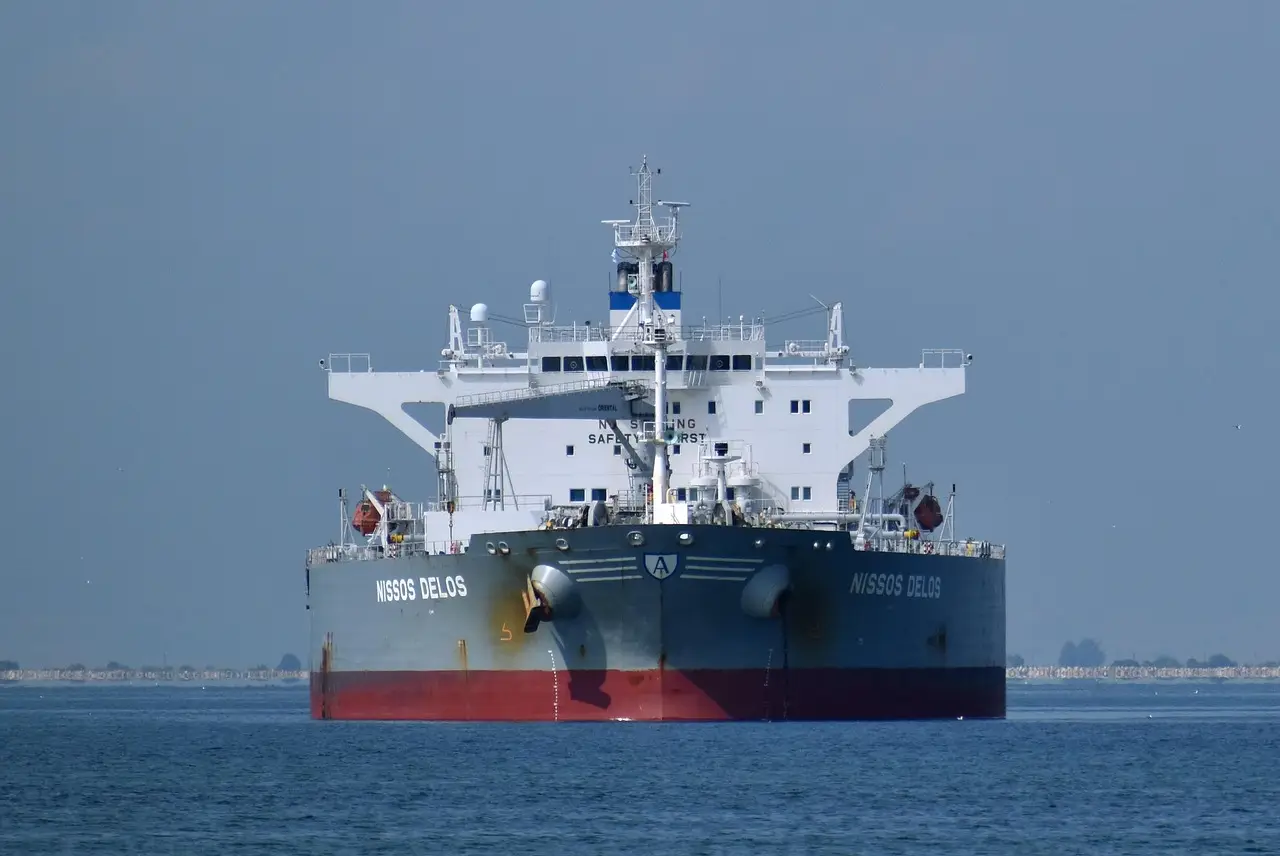
Gulf Energy Maritime has booked up to four 74,000 dwt LR1 product tankers at South Korea's K Shipbuilding, a $264 million package with delivery slots reportedly set for 2029.
- Desk
- Ocean Freight
- By
- James Calloway
- Filed
- Length
- 678 words
- Read
- 3 min
Key points
- Gulf Energy Maritime ordered up to four 74,000 dwt LR1 product tankers at K Shipbuilding's Jinhae yard
- Reported package value about $264 million, roughly $66 million per vessel
- Delivery slots reportedly lined up for 2029; hulls meet IMO EEDI Phase III with LNG or methanol conversion designs
- K Shipbuilding's earlier disclosure covered two firm LR1s and two options, plus two 50,000 dwt MRs for a European customer
- GEM lists 18 vessels in operation, including five LR1s, and 10 more ships on order
Gulf Energy Maritime has signed for up to four 74,000 dwt LR1 product tankers at South Korea's K Shipbuilding, a package shipbuilding sources value at roughly $264 million — about $66 million a hull — with delivery slots reportedly set for 2029.
Shipbuilding sources identify the Dubai-based owner as the Middle Eastern customer behind the order. It is the second time in five years that GEM has contracted at the Jinhae yard.
K Shipbuilding announced the contracts earlier this year without naming buyers. Its disclosure covered two firm LR1 vessels plus options on another two, alongside a separate order for two 50,000 dwt MR tankers for a European customer. GEM now fills that customer slot, at least in part.
What sits inside the package?
- Up to four LR1 product tankers, 74,000 dwt each
- Two firm hulls and two options, per K Shipbuilding's earlier disclosure
- Reported package value of about $264 million, roughly $66 million per vessel
- Delivery slots reportedly lined up for 2029
- IMO EEDI Phase III requirements across the series
- Designs allowing later conversion to LNG or methanol propulsion
The conversion feature is where the money sits beyond the freight bill. A hull built to a phase-three efficiency baseline with LNG or methanol conversion slots carries fuel optionality through a decade of operation and spares an owner from paying for that retrofit after delivery. At $66 million a vessel, owners such as GEM are buying flexibility alongside steel.
What does this mean for charterers and shippers?
For chartering desks, the near-term effect is nothing. None of these ships delivers before 2029, and only two are firm, so no tonnage reaches the fixture table in the next few chartering seasons.
What matters is the roster building behind those slots. GEM's website lists 18 vessels in its operating fleet, five of them LR1s, plus another 10 ships on order.
Earlier this year the company ordered six 50,000 dwt MR product tankers at HD Hyundai's South Korean and Vietnamese facilities in a deal worth around $300 million. Add the new LR1 package and the reported value of GEM's current contracting runs to roughly $564 million.
That is a company trading on scale in the newbuild market, and it did it across two yards and two countries in one year — South Korea for the LR1s, South Korea and Vietnam for the MRs.
For shippers moving clean petroleum products and chemicals through regional terminals, more standardized LR1 tonnage of this specification means more modern ships to choose from when charters renew in the 2030s, with fewer emissions-driven retrofit questions at fixture time. Forwarders placing long-term tonnage get a longer list of fuel-flexible LR1s to work with from 2029.
How does this stack up against GEM's earlier order?
The July 2024 round covered four 75,000 dwt LR1 tankers at the same yard. This package takes GEM's K Shipbuilding relationship to eight LR1 units across two orders five years apart, with the newer series 1,000 dwt smaller and later in the schedule.
Owners routinely spread orders across yards for price leverage and slot access. GEM has now placed two series with the same builder, which typically buys better slot allocation and earlier sight of design changes.
What to watch
The live question is the two options. K Shipbuilding disclosed only two firm LR1s, and the additional two remain subject to exercise, so the $264 million headline could shrink toward $132 million if the options lapse.
Second is timing. The slots are reported for 2029, and a loaded yard order book would push those dates.
Third is repetition. GEM keeps returning to South Korean builders for more, and a third series before the 2029 deliveries would put the Dubai owner at 13 LR1s between its operating fleet and its two K Shipbuilding orders.
Watch the option decisions and the 2029 schedule. If both options convert and the pattern holds, the modern, phase-three LR1 tonnage tied to a single owner will grow faster than current order books suggest.
Source: Splash247
More from James Calloway
Show full bio
Correspondent covering companies, deals and strategy in Ocean and air freight, container shipping at Waybill Wire.
1,018 articles