WW/TRADEPOLIC
Grimaldi Warns Section 301 Fees Could Push RoRo Fleet Out of US Trades
Grimaldi told USTR that Section 301 port fees could push it out of US trades, warning 86% of its US cargo belongs to American exporters and automakers.
- Desk
- Trade & Tariffs
- By
- James Calloway
- Filed
- Length
- 699 words
- Read
- 3 min
Key points05
- Grimaldi's October 30 USTR filing says 86% of its US-trade cargo is American exports or imports tied to US automakers.
- The current Section 301 fee suspension expires November 9; the proposed extension runs through January 9, 2027.
- Grimaldi carried nearly 985,000 tons of US exports and 1.31 million tons of imports over three years.
- Fees took effect October 14, 2025 and were suspended November 10 under the Trump-Xi trade agreement.
- ACL CEO Andy Abbott said only 1% of his carrier's cargo is automobiles despite vehicle-carrier classification.
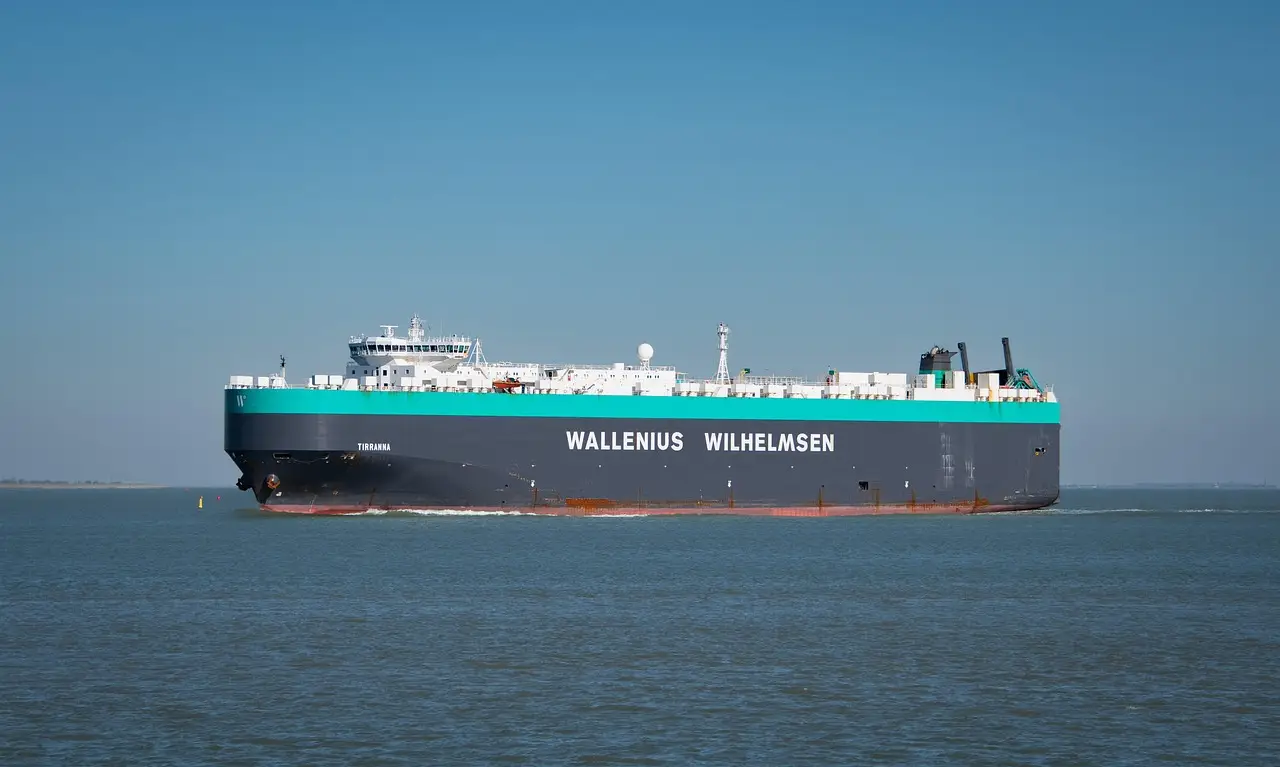
Grimaldi Group has told the Office of the US Trade Representative that reinstating Section 301 port fees on foreign-built vehicle carriers could force it to redeploy ships out of American trades — a move that would hit US exporters and automakers who account for 86% of the cargo the Italian carrier moves in US trades.
In an October 30 filing, Grimaldi backed the Trump administration's proposal to extend the suspension of the fees through January 9, 2027, and went further, calling for a permanent exemption for foreign-built pure car and truck carriers under Annex III of the Section 301 action.
"Many of our American customers have expressed concern at the thought of Grimaldi redeploying its ships out of US trades if the proposed further suspension of this Section 301 action is not implemented," the company said in the filing.
Why the deadline matters
The current suspension expires November 9. USTR is weighing a two-month extension that would keep the measures on hold through January 9, 2027 while Washington and Beijing negotiate over China's dominance of global shipbuilding. The public comment period closed October 30 at 5 p.m. Eastern Time, and the extension has not yet been finalized.
The fees originally took effect October 14, 2025, targeting Chinese-owned and Chinese-operated vessels, Chinese-built ships and certain foreign-built vehicle carriers. Washington suspended them on November 10 as part of the broader trade agreement between President Donald Trump and Chinese President Xi Jinping.
How much American cargo rides on Grimaldi ships
Grimaldi, one of the world's largest operators of ro-ro, container and pure car and truck carriers, laid out its US volumes to make the commercial stakes explicit:
- Nearly 985,000 tons of US exports carried over the past three years
- 1.31 million tons of US imports over the same period
- 74.7% of its US import volume consisted of cargo belonging to American automakers
- 86% of all cargo it carries in US trades is American exports or imports tied to US automakers
"Few shipping lines have such a high percentage of American cargo," Grimaldi said.
The company also leaned on its track record, noting it has called at American ports since 2001 and supplied cargo ships to the US Navy during the Second Gulf War.
Echoes of ACL's warning
Grimaldi is not alone. Atlantic Container Line CEO Andy Abbott told gCaptain last week that customers feared the carrier would redeploy ships away from US trades if the fees returned.
"ACL's unique ships were mistakenly classified by USTR as vehicle carriers even though only 1% of its cargo is automobiles," Abbott said. "Our largest US container and heavy machinery customers were panicking that we would redeploy our ships out of the US trade to the booming China trade."
That last point cuts to the commercial consequence for shippers: if foreign-built carriers exit US lanes, the competing capacity they flee to is the China trade — meaning US exporters could lose tonnage exactly where it is booming elsewhere.
A three-way policy fight
The filings expose the tension between Washington's push to rebuild domestic shipbuilding and the interests of American exporters who rely on foreign-built ships. Carriers argue the fees raise transportation costs and disrupt established networks, even though the measures were designed to strengthen American shipbuilding.
The administration's proposed extension also faces resistance from the other direction. In June, Senators Mark Kelly and Elizabeth Warren urged USTR to restore the charges, arguing the suspension undermined efforts to rebuild US commercial shipbuilding and deprived the government of revenue that could fund maritime investments.
Grimaldi, for its part, framed its ask as narrow rather than hostile to US policy goals. "Grimaldi understands the intentions of USTR to advance policies that strengthen US national security and manufacturing/agricultural/maritime competitiveness," the company said, adding that it hopes "no insurmountable roadblocks will be put in our way."
With the comment window now shut and the November 9 expiry looming, USTR must decide whether to confirm the two-month extension — leaving carriers, automakers and exporters to plan around a fee regime that could still return before the end of the year.
Original: comments.ustr.gov
More from James Calloway
Show full bio
Correspondent covering companies, deals and strategy in Ocean and air freight, container shipping at Waybill Wire.
696 articles
Related05
USTR Proposes Two-Month Extension of China Port Fee Pause
US Seeks to Extend China Ship Fee Truce to January 9, 2027
U.S. Port Fees on China-Linked Ships Set to Return Nov. 10
USTR Stays Silent on Port Fee Pause as Nov. 9 Deadline Looms
US-China Truce Extension Announced on TV, But Paper Says November 9