WW/PORTSTERMI
Great Lakes–River Link Could Save $34.40 per Ton on Steel, Study Finds
Less than 1% of Great Lakes outbound tonnage reaches the Illinois Waterway. An AGLPA study says fixing that could save steel shippers $34.40 per ton on Burns Harbor–St. Louis moves.
- By
- Tom Whitfield
- Filed
- Length
- 624 words
- Read
- 3 min
Key points05
- Only 558,000 tons of 98.5 million tons of Great Lakes outbound cargo (2023) moved to the Illinois Waterway — under 1%.
- Modeled savings reach $34.40 per ton for steel from Burns Harbor to St. Louis, $20.70 to Peoria.
- Diverting 100,000 tons of steel to water would cut roughly 5,100 truck trips and about 87-88% of associated CO2.
- Study The Great Freight Connection, by CPCS for AGLPA, released November 17, recommends 15 actions.
- A BNSF bridge near Lemont, Illinois was identified as a key clearance bottleneck.
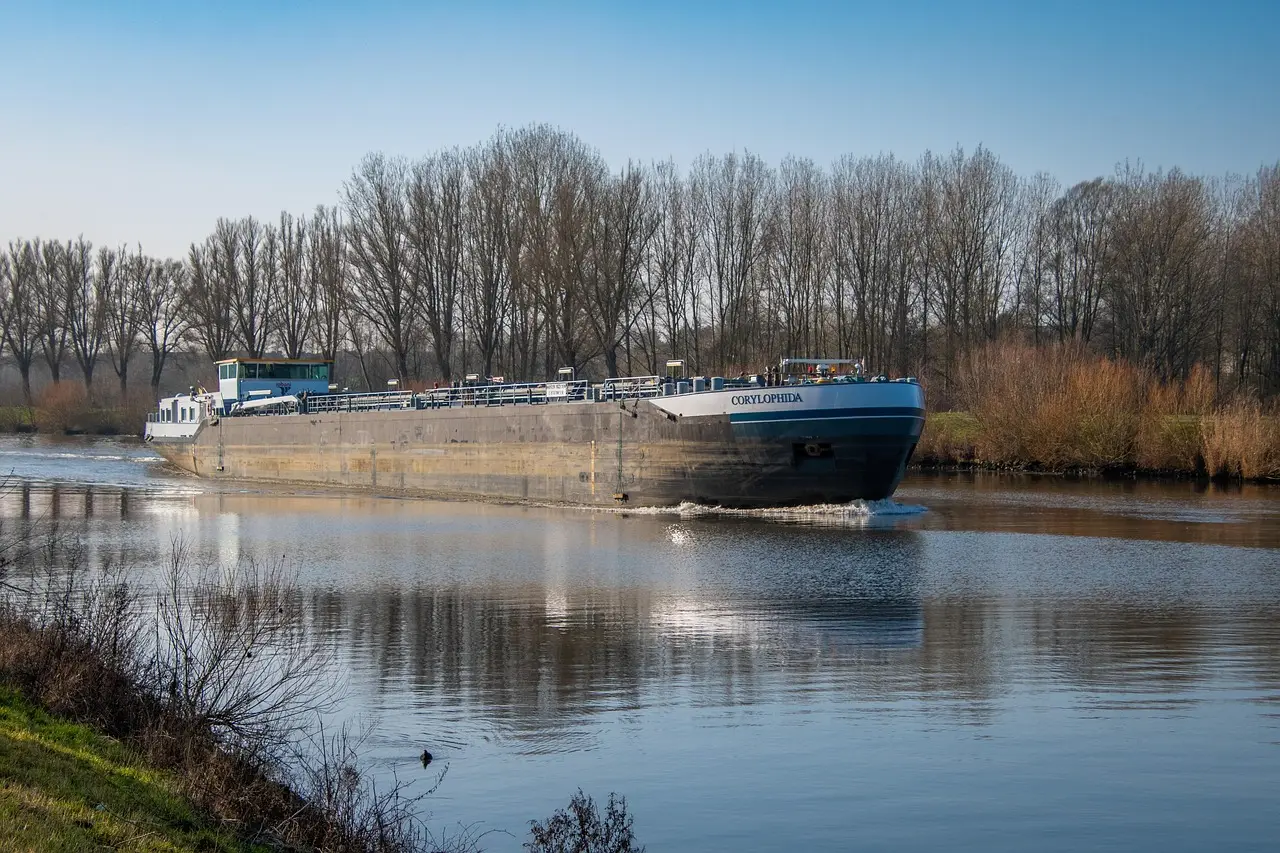
Steel shipped by water from Burns Harbor to St. Louis could save shippers $34.40 per ton against trucking, yet barely 1% of Great Lakes outbound cargo today moves onto the Illinois Waterway. That gap is the core finding of a study released November 17 by the American Great Lakes Ports Association (AGLPA), which argues millions in annual freight savings sit inside infrastructure that already exists.
The Great Freight Connection, prepared by consultancy CPCS Transcom, examined 2023 freight flows across the two systems and modeled four trade corridors touching Port Milwaukee, Ports of Indiana–Burns Harbor and the Illinois International Port District. The headline disconnect is stark. More than 138 million tons moved on the Great Lakes and Illinois Waterway in 2023, but only 558,000 tons of Great Lakes outbound cargo — under 1% — headed to the Illinois Waterway. About 5% of Illinois Waterway outbound tonnage moved the other way, toward the lakes.
The two networks physically meet at Chicago. Commercially, they behave like strangers.
What does the modeling actually show?
The study priced four representative lanes:
- Grain from Milwaukee to the Gulf Coast — $4.50 per ton in modeled savings
- Steel from Burns Harbor to Peoria — $20.70 per ton; to St. Louis — $34.40 per ton
- Liquid bulk from Joliet to Milwaukee — $1.80 per ton
- Salt from the Gulf north to Chicago — $19.10 per ton
Steel looks like the prize. At an illustrative 100,000 tons per year, the Burns Harbor lane would save roughly $2.07 million to Peoria and $3.44 million to St. Louis versus trucking. Diverting that volume to water would also eliminate about 5,100 truck trips annually and cut associated carbon emissions by roughly 87% on the Peoria lane, 88% by the study's own summary table.
The report is careful with its own arithmetic. These are modeled savings, not forecasts of diversion and not guaranteed commercial returns.
Why the lanes don't move today
Physical connection isn't the problem. The study names the friction points, and several are concrete. A BNSF railroad bridge near Lemont, Illinois, restricts clearance and stands out as an operational bottleneck. Aging locks and seasonal navigation windows undermine service reliability. Suitable lake-capable barges are in short supply. Add limited shipper awareness and entrenched truck and rail relationships, and the 1% crossover rate starts to make commercial sense.
Ryan McCoy, Port Director at Ports of Indiana–Burns Harbor, framed the steel case directly: "Northwest Indiana is home to some of the nation's largest steel producers, and giving them more ways to reach their customers is critical to their success."
15 actions, no new construction
The study recommends 15 actions spanning market development, industry partnerships, regulatory coordination and infrastructure improvements — including expanding the fleet of lake-capable barges and improving the terminal information shippers can actually see before they book.
Mike McCoshen, Administrator of the Great Lakes St. Lawrence Seaway Development Corporation, put the broader case in policy terms: "By better connecting these systems, we can expand reliable and cost-effective transportation options, strengthen domestic commerce, and create growth opportunities for American industry and workers across America's Heartland."
AGLPA and its partners plan to take the findings to shippers, carriers and terminal operators to build commercially viable movements.
By the numbers
- Great Lakes tonnage, 2023: 98.5 million tons outbound; 95.7 million inbound
- Illinois Waterway tonnage: 17.3 million tons outbound; 9.1 million inbound
- Great Lakes outbound cargo reaching the Illinois Waterway: 558,000 tons
- Trade lanes evaluated: 4; recommended actions: 15
The central conclusion matters for capital planning: no new waterway links are required. The bet now is whether carriers, barge operators and steel shippers will reprice the routes the study has already mapped.
Source: maritimeprofessional.com
More from Tom Whitfield
Show full bio
Market editor covering companies, deals and strategy in Ocean and air freight, container shipping at Waybill Wire.
925 articles
Related05
US Steel Imports Collapse 30% in 2026 as Tariffs Reshore Production
Milwaukee Mitchell Opens New Air Cargo Center
Washington Puts $2.3 Billion Into Rail: 105 Projects, 45 States
Panama Canal Constraints Push Shippers Toward Port of Los Angeles
Ohio Trucking Slips Into What Industry Calls a Historic Recession