WW/TRADEPOLIC
Ghana to block raw cashew exports for three months each season
Ghana will block raw cashew exports for the first three months of each harvest, with just 17,000 of 262,000 tonnes processed locally in 2025, as Accra copies Côte d'Ivoire's model.
- Desk
- Trade & Tariffs
- By
- Marcus Bennett
- Filed
- Length
- 529 words
- Read
- 3 min
Key points05
- Ghana produced over 262,000 tonnes of raw cashews in 2025 but processed only about 17,000 tonnes locally.
- Raw cashew exports will be barred for the first three months of each harvest until local processors secure supply.
- A planned levy on raw cashew exports will fund local processors' purchases.
- Ghana aims to end exports of unprocessed minerals by 2030.
- No effective date, levy rate or implementation details have yet been announced.
Ghana will bar raw cashew exports for the first three months of each harvest, a restriction that redirects roughly 245,000 tonnes of annually shipped raw nuts toward domestic processors before any surplus clears for export.
President John Mahama framed the policy as the end of a pattern in which Africa's largest gold producer ships raw resources abroad and buys back finished goods. The cashew measure forms part of a broader administration push to halt exports of unprocessed minerals entirely by 2030.
What does the restriction actually change?
Under the proposed rules, exporters cannot ship raw cashew nuts until local factories have bought enough produce to meet their manufacturing needs. Once processors are supplied, companies may export the surplus. Ghana will follow the model of neighbouring Côte d'Ivoire, one of the world's leading cashew producers, which uses a comparable priority-supply system to defend its domestic processing industry.
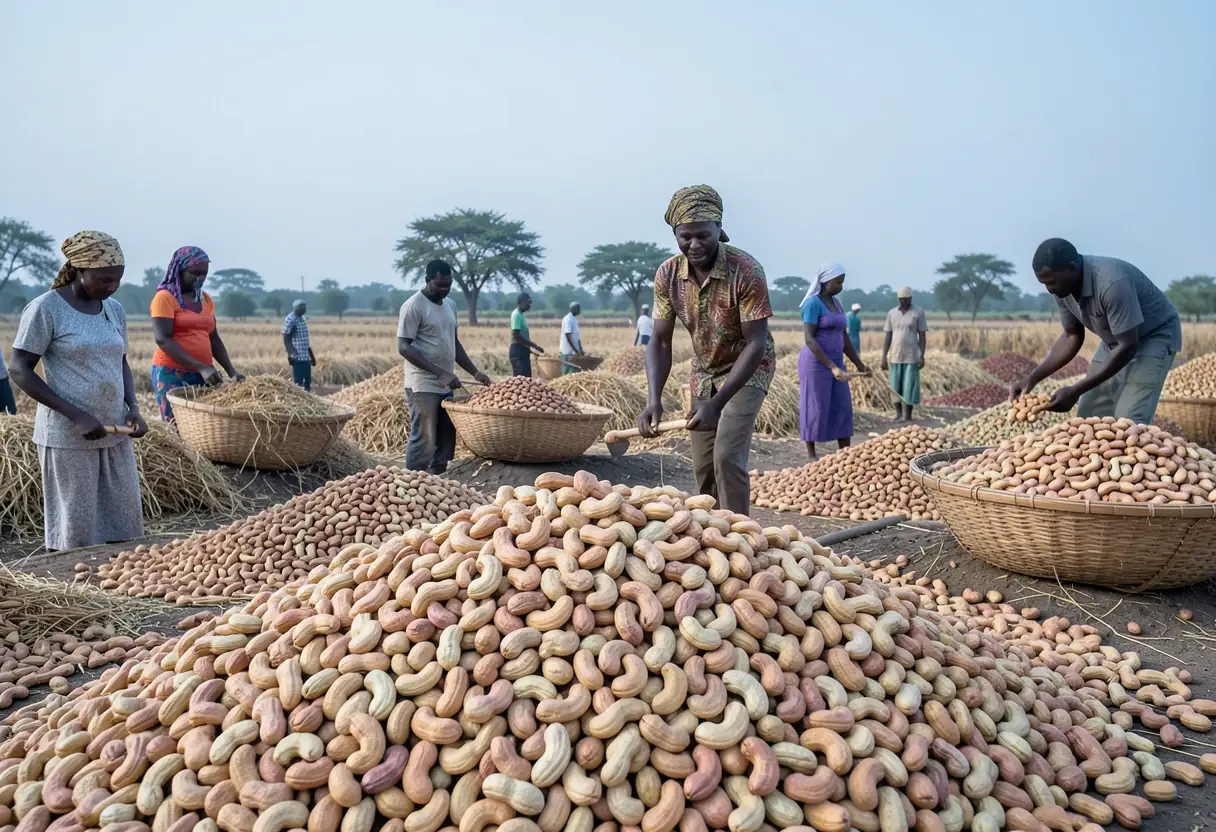
The numbers explain the government's impatience. Ghana produced more than 262,000 metric tonnes of raw cashew nuts in 2025, yet only about 17,000 tonnes — under 7% of the harvest — were processed locally, according to Sylvester Adinam Mensah, chief executive of the Ghana Export-Import Bank (GEXIM). The bulk left the country in raw form, letting overseas processors capture most of the value added by shelling, grading and packing.
How will the export levy work?
Alongside the export window, the government plans a levy on raw cashew shipments. Proceeds will flow into a dedicated fund designed to help local processing companies finance raw material purchases and expand operations. Mahama said the fund would improve processors' access to cashew supplies.
The levy's rate, however, remains undisclosed. So does the start date of the restrictions and the implementation mechanics — three omissions that will determine whether the policy redirects supply or simply reroutes it informally across Ghana's borders.
Who carries the commercial exposure?
The cashew industry sustains thousands of farmers concentrated in the Bono, Bono East, Ahafo, Northern and Savannah regions and contributes meaningfully to Ghana's non-traditional export earnings. For farmers, a guaranteed domestic buyer base could stabilise farmgate demand early in the season; for exporters of raw nuts, the first quarter of each harvest effectively closes, compressing the window in which they compete with Asian processors for Ghanaian supply.
For local processors, the policy is a supply-side subsidy by another name: first claim on the harvest plus a state-funded purchasing facility. For overseas buyers — largely Asian processors that currently absorb the raw volume — the risk is a structural reduction in Ghanaian raw-nut availability, echoing the supply squeeze Côte d'Ivoire's own restrictions produced for regional traders.
What is still unresolved?
GhanaWeb first reported the details of the plan, and the government has yet to announce the effective date, the levy rate or the detailed implementation arrangements. Until those parameters land, exporters cannot price the delay into their seasonal contracts, and processors cannot size their intake commitments against an unpriced fund.
The precedent from Côte d'Ivoire suggests the direction of travel: raw-nut trade flows adjust, domestic processing capacity grows — but only as fast as financing and factory infrastructure allow.
Source: africa.businessinsider.com
More from Marcus Bennett
Show full bio
Senior reporter covering regulation, policy and their impact on Ocean and air freight, container shipping at Waybill Wire.
959 articles
Related05
Uganda's Speaker tells Africa's parliaments: process at home or stay poor
Dangote pitches 500,000-tonne cocoa processing hub to Ghana
West Africa's Ore Boom to Absorb 120 More Capesizes by 2030
Malaysia loosens raw rare earths export ban for France in strategic pact
Uganda Airlines Opens Entebbe–Accra Route to Unlock West African Cargo