WW/PORTSTERMI
Genoa Targets 30% Rail Share as €1.4bn Breakwater Nears
Genoa's port authority has earmarked €230m for rail as it chases a 30% rail share, while a €1.4bn breakwater prepares the port for 400-metre vessels.
- By
- Tom Whitfield
- Filed
- Length
- 693 words
- Read
- 3 min
Key points05
- Genoa's overland freight rail share is 12.5%; target is at least 30%, matching Savona-Vado's current ~30%.
- The port authority has allocated about EUR 230 million to rail infrastructure at Genoa and Savona-Vado.
- A EUR 1.4 billion open-sea breakwater will allow ultra-large vessels up to 400 metres into the Sampierdarena Basin.
- The ports serve as the main maritime gateway for 80% of Northern Italy's manufacturing firms and support 121,000 jobs.
- Intermodal trains of up to 750 metres and 1,750 tonnes with a single locomotive are planned once last-mile rail work completes.
Genoa moves 12.5% of its overland freight by rail today. The port authority wants that figure at 30% or better — and it has put money behind the goal: roughly EUR 230 million allocated to rail infrastructure across Genoa and Savona-Vado.
The commitment anchored a two-day event in Genoa, "Connections Shaping the Future: North-Western Italy as an Integrated Network," organised by the Liguria Region together with Lombardy and Piedmont. The three regional presidents — Marco Bucci, Alberto Cirio and Attilio Fontana — attended, and Infrastructure and Transport Minister Matteo Salvini delivered the closing address.
Why the north-west's ports matter
Matteo Paroli, president of the Western Ligurian Sea Port Authority, set out the stakes plainly. The ports of Genoa and Savona-Vado are the main maritime gateway for 80% of manufacturing firms in Northern Italy. They generate roughly 30% of Italy's import VAT revenue and support 121,000 direct and indirect jobs.
Paroli described the guiding vision as a port that generates wealth while minimising its impact on the surrounding urban area. That tension — growth against liveability — is the mechanism driving almost every project he named.
The rail numbers tell the story of the gap. Savona-Vado already carries about 30% of overland freight by rail. Genoa, the far larger of the two, sits at 12.5%. Lifting Genoa to at least 30% would shift tens of thousands of truck movements off Ligurian and Po Valley roads, and it would make intermodal offers from forwarders serving Milan, Turin and Brescia genuinely competitive on cost and reliability.
The €1.4 billion breakwater
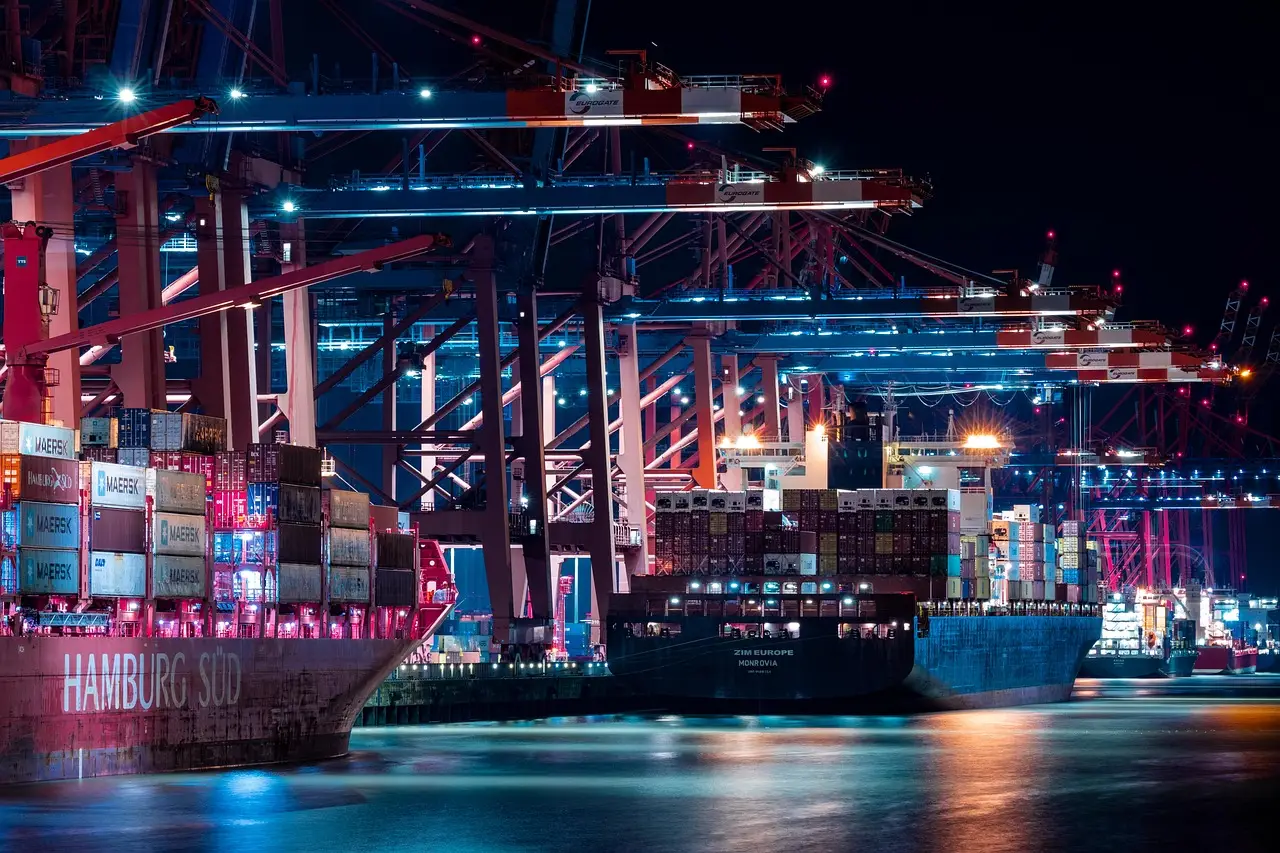
The flagship civil work is Genoa's new open-sea breakwater, an investment of about EUR 1.4 billion. Once complete, it will give ultra-large vessels of up to 400 metres direct access and a wide turning basin in the Sampierdarena Basin.
Why does that matter commercially? Ultra-large container ships currently face restrictions entering Genoa. A deep-water approach with room to turn removes a hard constraint on call size, which is what lets a port compete for the biggest loops deployed on Asia–Europe and Mediterranean strings.
Paroli stressed, though, that a breakwater alone doesn't build a gateway. The project must sit within a wider logistics network, and he pointed to the forthcoming Terzo Valico — a high-speed, high-capacity rail line linking Genoa to Lombardy and the European hinterland — as the connective tissue.
What does this change for shippers?
Three practical things, mostly on the rail side:
- Last-mile rail projects nearing completion will let the ports handle intermodal trains of up to 750 metres and 1,750 tonnes per train with a single locomotive — which Paroli called essential for an economically viable and sustainable rail service.
- The EUR 230 million rail allocation covers IT upgrades, safety systems and electrification of intermodal areas at Genoa and Savona-Vado.
- The authority is in talks with the Italian Customs Agency and other local bodies about extending operating hours, which currently run 6 am to 6 pm — a narrow window for a port chasing Asian transit times.
On top of that, the authority is exploring incentives for terminal operators and closer coordination among logistics providers, manufacturers and public bodies. It is also working with the road haulage sector to ease congestion, a recognition that trucks will carry the majority of overland volume for years even under the most ambitious modal-shift scenario.
A tailwind from the north
Paroli closed with a structural argument. Congestion at major Northern European hubs and falling water levels on Europe's main rivers, he said, could further raise the role of Mediterranean ports in international supply chains.
It's a claim with recent history behind it. When Rhine levels drop and Rotterdam and Antwerp hit capacity, cargo reroutes south. If Genoa pairs its new breakwater with a 30% rail share and the Terzo Valico's hinterland reach, it positions itself to capture that diverted freight rather than just watch it pass.
The trajectory now depends on execution: breakwater completion, rail electrification, longer customs hours. Watch the rail-share figure — it is the cleanest proxy for whether the north-western network actually integrates.
Source: Container News
More from Tom Whitfield
Show full bio
Market editor covering companies, deals and strategy in Ocean and air freight, container shipping at Waybill Wire.
724 articles