WW/PORTSTERMI
FTAI's Jefferson to buy Port Arthur terminal in $255m crude deal
FTAI Infrastructure unit Jefferson will pay USD Group $255m for the Port Arthur Terminal and a 50% Hardisty diluent recovery stake, securing 50,000 b/d of Gulf crude throughput.
- By
- Amara Osei
- Filed
- Length
- 507 words
- Read
- 3 min
Key points05
- Jefferson will pay USD Group $255 million for the Port Arthur Terminal and a 50% stake in a Hardisty diluent recovery unit.
- Port Arthur handles around 50,000 barrels per day across a 320-acre Sabine-Neches Waterway site.
- A 12-mile pipeline links the terminal to Phillips 66's Beaumont refinery.
- The acquired assets are projected to generate roughly $50 million in annual EBITDA over the next 12 months.
- Closing is subject to regulatory approvals and is expected in the fourth quarter.
FTAI Infrastructure subsidiary Jefferson will pay USD Group $255 million for the Port Arthur Terminal on the Sabine-Neches Waterway and a 50% interest in a diluent recovery unit at Hardisty, Alberta, locking in an integrated crude-by-rail-to-pipeline chain anchored by a single take-or-pay contract with a major Gulf Coast energy producer.
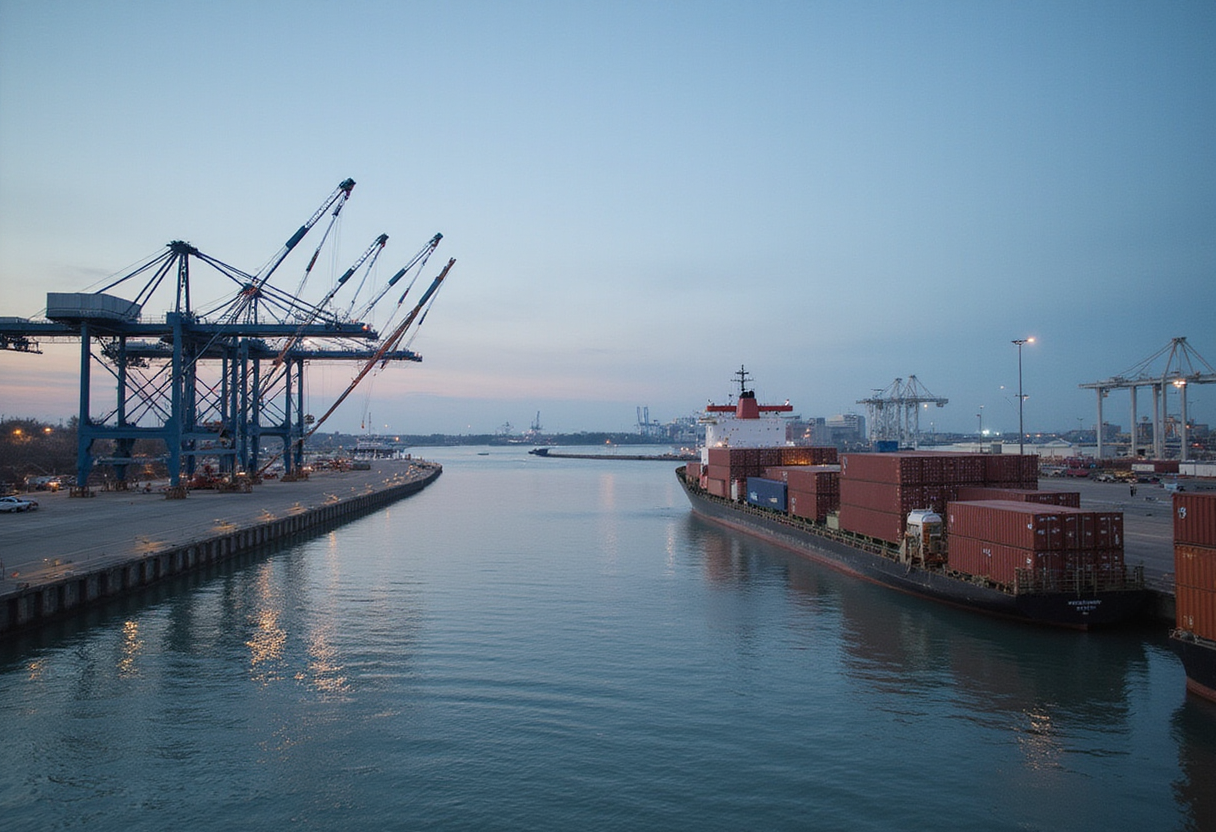
The Texas terminal handles around 50,000 barrels per day across a 320-acre footprint, accepting inbound crude by rail and dispatching it via barge and pipeline, including a 12-mile line into Phillips 66's Beaumont refinery complex. Jefferson projects the combined assets will generate roughly $50 million of annual EBITDA over the next twelve months.
What exactly is changing hands?
USD Group is selling two pieces of midstream infrastructure that operate as a single logistics chain.
The Port Arthur facility receives crude by rail into storage, then moves it out through pipeline and barge connections. The terminal's location gives shippers a deepwater option on the Sabine-Neches Waterway, the same ship channel that serves the regional refinery cluster.
The 50% stake in the Hardisty diluent recovery unit adds the upstream half of the chain. Diluent — typically condensate or a light hydrocarbon — blends into heavy Canadian crude to reduce viscosity for pipeline transport toward the US Gulf.
What does the deal mean for freight modes?
The transaction concentrates rail, pipeline and barge traffic at a single Gulf node under one owner.
For rail operators routing Canadian and US crude volumes to the Gulf, Port Arthur functions as a deepwater origin terminal with unit-train capability. Jefferson's ownership does not alter rail operations but shifts terminal economics to a buyer inside the FTAI Infrastructure portfolio.
For barge operators on the Sabine-Neches and Gulf Intracoastal Waterway systems, Port Arthur sits among competing crude terminals. For pipeline carriers, the 12-mile Port Arthur-to-Phillips 66 line runs as a captive asset: volumes move by contract, not spot nomination.
How does the commercial structure work?
The take-or-pay contract is the centerpiece. A major energy producer commits to pay for a contracted volume regardless of actual shipments, giving Jefferson fixed-revenue visibility against its $50 million EBITDA target. The arrangement reduces commodity-price exposure but concentrates counterparty risk with a single producer.
That concentration is the main commercial vulnerability of the asset. A contract expiry, non-renewal or volume step-down would leave Jefferson absorbing the gap between contracted and actual throughput at Port Arthur.
What happens next?
Closing remains subject to regulatory approvals in both countries. Both companies have targeted a fourth-quarter close. After completion, Jefferson will fold the Port Arthur and Hardisty assets into its existing midstream infrastructure platform.
For shippers and carriers, the immediate effect is limited — terminal tariffs and contract terms at Port Arthur typically transfer with ownership. The longer-term question is whether Jefferson uses the platform to expand Gulf crude-by-rail throughput or to grow diluent blending capacity at Hardisty for Western Canadian heavy crude heading south of the border.
Source: Splash247
More from Amara Osei
Show full bio
Staff writer covering marketplaces and e-commerce at Waybill Wire.
257 articles
Related05
Wells Fargo Lifts 2027 Oil Targets on Supply Risk Premium
Ottawa Puts C$1.2bn Behind Marine Safety Ahead of LNG and Port Build-Out
US directs $426 million in federal grants to freight bottlenecks
Steel imports surge 54% at Port Houston as container volumes inch up
WCS Discount Above $25 Sets Up Surge in Canadian Seaborne Crude Exports