WW/AIRCARGO
Fraport moves to calm Frankfurt jet fuel fears as cargo hubs watch
Fraport has publicly addressed jet fuel availability concerns at Frankfurt Airport, Europe's busiest cargo gateway. Operators and forwarders are watching for capacity fallout as the source offers no cause, duration or airline detail.
- Desk
- Air Cargo
- By
- Tom Whitfield
- Filed
- Length
- 491 words
- Read
- 2 min
Key points04
- Fraport has publicly moved to address jet fuel availability concerns at Frankfurt Airport
- Frankfurt is Germany's largest air cargo gateway and a major European integrator sort point
- The source does not disclose a cause, duration, affected volume or specific airline response
- A fuel squeeze at FRA would typically force tankering, lifting block times and cutting freighter payload
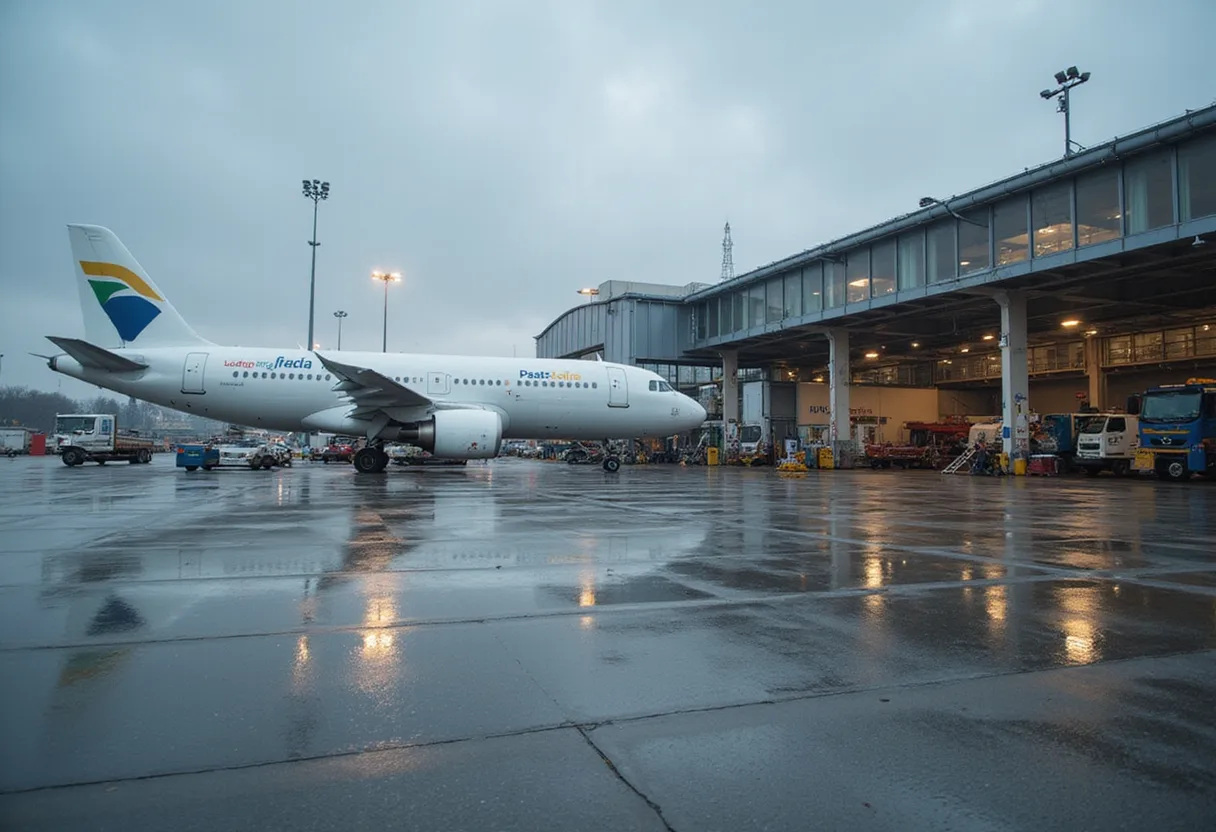
Frankfurt Airport operator Fraport has publicly stepped in to address concerns over jet fuel availability at Germany's largest air cargo gateway — a move freight buyers, forwarders and integrators are already reading as a signal on European winter capacity.
The headline, carried by Air Cargo News, confirms Fraport is engaging on a fuel supply issue. The brief does not name the cause, the volumes affected, the airlines involved or the expected duration. That thin detail is itself part of the story: Fraport rarely comments on fuel infrastructure unless something operational is moving.
Why Frankfurt matters for cargo
Frankfurt sits at the centre of European air freight. Integrator networks run major European sort operations through FRA, and the hub feeds belly-cargo flows into long-haul passenger schedules. Pharmaceutical, automotive and high-tech shippers route time-sensitive cargo through Frankfurt specifically because of its connectivity and handling depth.
Any squeeze on fuelling does not just slow aircraft; it cascades. Tankering — carrying extra fuel from another airport — burns more fuel per sector, adds block time and cuts payload. On a freighter already weight-limited, the reduction compounds across a network and shows up as either fewer rotations or lower tonne-kilometres per flight.
What does this actually change for shippers?
Practically, three things:
- Capacity could be pulled or re-routed through alternate European hubs if Frankfurt uplift is constrained.
- Fuel surcharges and re-fuelling fees may rise before any formal shortage is declared.
- Time-sensitive freight — pharma, perishables, aerospace parts — may get priority over deferred cargo if tankering eats into payload windows.
None of that is confirmed. Fraport's decision to address the concern publicly suggests the operator is managing a real issue, not a speculative one.
What the source does not tell us
The reporting names no duration, no cause and no specific airline response. It also cites no pipeline operator or federal aviation authority. That gap matters for anyone pricing Frankfurt routings into winter contracts or negotiating capacity commitments with integrators and belly-cargo carriers.
Fuel infrastructure at major German airports relies on pipeline networks operated by oil-major joint ventures, with on-airport storage. Disruptions historically trace back to refinery maintenance, logistics action or extreme weather. Without a confirmed trigger in this case, shippers should treat the situation as live and monitor updates rather than wait for a formal advisory.
What to watch next
Forwarders should track Fraport operational notices, German federal aviation bulletins and any carrier service advisories from the major operators that depend on Frankfurt uplift. Confirm directly with ground handlers whether fuelling slots or uplift allocations have shifted. Until then, the standard hedge applies: cargo that can move by road or rail to less-exposed hubs may get re-routed first.
The trajectory of European jet fuel supply through the winter turn will set the tone for capacity at Frankfurt. Watch the next Fraport statement to see whether the concern dissipates — or hardens into a scheduled disruption.
Source: Google News: air cargo
More from Tom Whitfield
Show full bio
Market editor covering companies, deals and strategy in Ocean and air freight, container shipping at Waybill Wire.
484 articles
Related05
Frankfurt Airport Cargo Throughput Climbs 2.5% in September
Frankfurt cargo up 2.5% in September as US demand offsets China slide
Lufthansa Cargo expands global network to chase Asia Pacific demand
Jet Fuel Costs Squeeze Air Cargo, but Hub Supply Holds, Cirium Finds
Lufthansa Cargo suspends Mumbai all-cargo flights on congestion