WW/MARKETANAL
Four US LNG Tankers Reroute to Europe as Asian Demand Cools
At least four US LNG tankers have diverted toward Europe as Asian demand cools, easing prices after futures hit a near four-year high. Egypt loses cargoes as spot costs bite.
- Desk
- Rates & Markets
- By
- Marcus Bennett
- Filed
- Length
- 639 words
- Read
- 3 min
Key points05
- At least four US LNG tankers diverted toward Europe in recent days, per Bloomberg/Kpler tracking
- European benchmark gas futures hit an almost four-year high last month
- Egypt's cabinet approved a power rationing plan this month for the current financial year
- Kpler analyst Ronald Pinto cites rising Qatar flows despite Strait of Hormuz risk
- Traders say sustained spot price falls could revive South and Southeast Asian buying
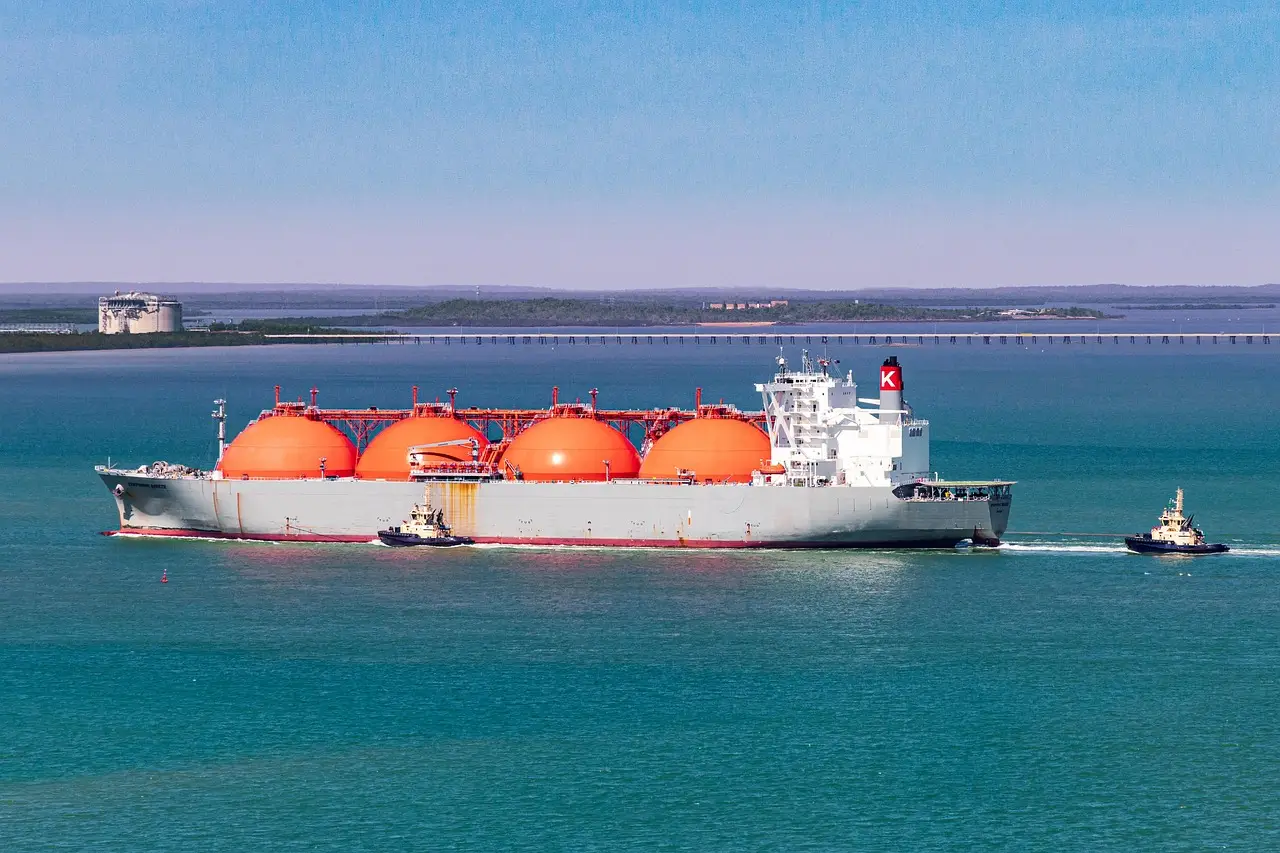
At least four US liquefied natural gas tankers have diverted toward Europe in recent days, adding supply to a market where benchmark gas futures hit an almost four-year high just last month.
Ship-tracking data compiled by Bloomberg and intelligence firm Kpler show two tankers carrying US LNG rerouted away from Egypt in the Mediterranean, on top of two vessels loaded with US fuel that swung sharply north toward Europe since last week, abandoning Asia-bound voyages. The pattern is consistent: Asian LNG prices have traded at a discount to Europe, so the arbitrage flipped and the cargoes followed.
The commercial logic is straightforward. Buyers in some major Asian markets are demanding less, and competition between Asia and Europe for the same molecules has eased, according to Kpler's principal gas and LNG analyst Ronald Pinto. Europe, meanwhile, needs the gas — flows there have helped curb prices after the futures spike.
Which ships turned, and where
The diversions are visible hull by hull:
- Al Qassar, carrying US LNG, turned west away from Egypt earlier this week after reaching Port Said. Kpler estimates it is now heading toward Europe.
- Amaryllis Knutsen, also loaded with US fuel, made a sharp U-turn on Tuesday near Egypt.
- Greenergy Wind moved the other way: the tanker turned south in the mid-Atlantic on Tuesday, signaling the Cape of Good Hope — a usual route toward Asia — in a diversion away from Egypt.
Two US cargoes abandoning Egypt for Europe, and one Egypt-bound cargo going to Asia instead, in the space of days is a small fleet reshuffle by volume. But the direction matters more than the tonnage: it signals where the marginal cargo earns its best price right now.
Why Egypt is losing cargoes
The rerouting away from Egypt has two drivers, and Pinto named both. First, recent price rallies made spot LNG purchases more expensive for Egypt — a buyer that cannot easily absorb the cost. Second, capacity expansions are scheduled to increase gas flows from Israel to Egypt, which would give Cairo a cheaper, piped alternative to seaborne cargo.
Egypt is already managing an energy squeeze. The country's cabinet earlier this month approved a rationing plan for power consumption that state bodies will implement during the current financial year, designed to cope with spillover effects from the Iran war. Egypt curbed some electricity usage this year as it grappled with high fuel costs tied to the conflict.
In other words, the diversions away from Egypt are not an anomaly. They reflect a buyer stepping back from an expensive spot market while arranging structural supply from Israel.
What Qatar flows mean for the tight market
Global supply remains tight because of continued disruptions in the Middle East, and shipping risk in the Strait of Hormuz persists. Yet flows from Qatar — the world's largest LNG exporter — have picked up, Pinto said, reducing the tug-of-war between Asian and European buyers for available cargoes.
That is the relief mechanism working as designed. European prices fell as steady supply tempered Middle East worries, even without a resolution of the underlying shipping risk.
Will cheaper spot prices revive Asian buying?
Traders see a possible second-order effect. A sustained fall in LNG spot prices could prompt buyers in South and Southeast Asia to purchase more cargoes, they said — especially while big importers remain on the sidelines. The caveat sits inside that promise: the price fall must be sustained, and today's relief rests partly on Qatari flows through a strait that remains risky. If Hormuz disruption deepens, the current cargo shuffle reverses quickly.
For now, the market's message is in the wake patterns: US cargoes are choosing Europe, Egypt is being priced out of spot purchases, and the next move depends on whether falling prices pull Asian buyers back into the water.
Source: gCaptain
More from Marcus Bennett
Show full bio
Senior reporter covering regulation, policy and their impact on Ocean and air freight, container shipping at Waybill Wire.
970 articles
Related05
Europe Grabs a Quarter of Global LNG as Hormuz Disruption Bites
Ksi Lisims LNG Lures SEFE, Uniper as Qatar Outage Tightens Tanker Trades
Europe–Middle East Airfreight Volumes Sink 16.1% as Conflict Reroutes Carriers
Qatari LNG Tanker Takes Rare Red Sea Shortcut to Poland
Record tanker rates threaten seven-year low in U.S. crude Asia orders