WW/AIRCARGO
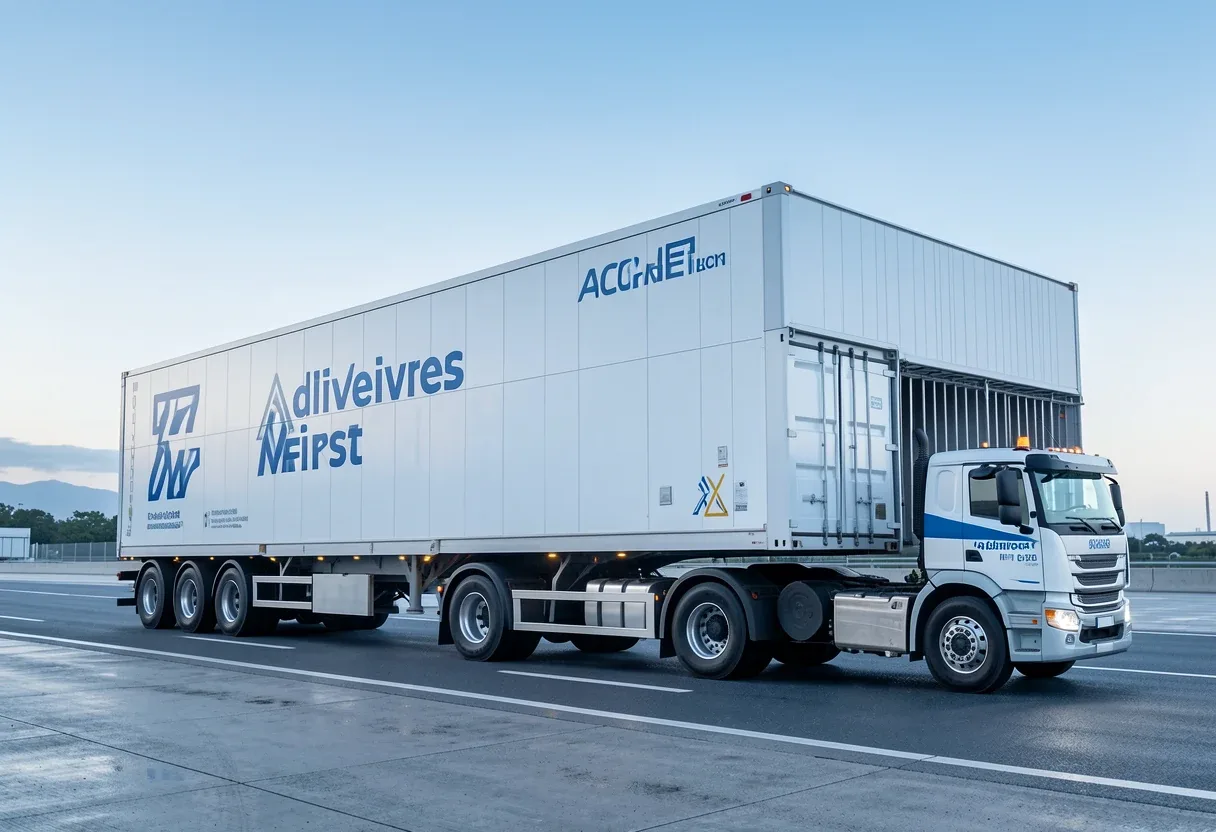
FedEx takes first ATR 72-600P2F fitted with large cargo door
ACIA has handed FedEx the first ATR 72-600P2F with a large cargo door, moving the feeder conversion programme from certificate to concrete delivery — though output cadence remains unproven.
- Desk
- Air Cargo
- By
- Marcus Bennett
- Filed
- Length
- 519 words
- Read
- 3 min
Key points04
- ACIA delivered the first ATR 72-600P2F with a large cargo door to FedEx
- The converted turboprap targets containerised freight on short feeder sectors
- One delivery confirms the conversion chain works but proves nothing about annual output
- Air Cargo News's report discloses no dates for subsequent deliveries or financial terms
ACIA has delivered the first ATR 72-600 passenger-to-freighter (P2F) conversion fitted with a large cargo door to FedEx, handing the integrator the opening airframe of a feeder-freighter programme it has committed to at scale.
The delivery confirms what had been a pipeline promise: converted ATR 72-600s with the enlarged door are now flying hardware in a customer's network rather than a certificate on a wall. For a programme whose value rests entirely on conversion throughput, the first handover is the number that matters most — one aircraft, one customer, one door that changes what the type can carry.
What does the aircraft actually change?
The ATR 72-600P2F pairs a turboprop airframe — cheap to operate on short, thin sectors — with a main-deck cargo aperture large enough to take standard ULD containers and outsized freight that the standard ATR freighter door cannot swallow. That is the whole commercial pitch. Regional express operators can move containerised loads hub-to-spoke without pallet-breaking cargo to fit a narrow aperture.
FedEx is the anchor case. Integrator networks run on dense, short-haul feeder legs where a converted turboprop undercuts a jet on trip cost, and the large door lets the aircraft interline with the wider container system rather than sitting outside it.
Who is behind the conversion?
ACIA — the ATR-focused conversion specialist backed by Lockheed Martin and CDB Aviation — owns the supplemental type certificate for the ATR 72-600P2F and drives the conversion line. The programme's credibility question has never been the aircraft; it has been whether conversion slots could be filled, fed by feedstock aircraft, and delivered on schedule.
One delivery answers none of those questions on its own. It proves the chain works end to end. It says nothing yet about annual output, feedstock pricing, or how quickly subsequent airframes follow this one — and Air Cargo News's report does not disclose delivery dates for the next units, the conversion site used for this airframe, or the financial terms, none of which were made public.
What are the consequences for shippers and competitors?
For shippers and forwarders feeding regional express networks, more feeder capacity with container-capable main decks means fewer handling breakpoints on short sectors — modest per-shipment savings, meaningful in aggregate across a spoke network.
For competitors in the regional freighter conversion market — freighter conversions of the ATR family sit alongside programmes targeting the Boeing 737-800 and, in the turboprop segment, the older ATR 72-500 freighter — the FedEx handover tightens the race. An anchor customer with a large existing ATR freighter fleet has now taken delivery of the newer, larger-door variant, a signal that replacement demand is converting into orders rather than staying on paper.
What happens next?
The metric to watch is cadence: the number of -600P2F deliveries FedEx logs over the coming year, and whether ACIA names additional operators beyond its anchor customer. Until a second and third handover land, the programme's throughput — and its challenge to the incumbent regional-freighter conversion order book — remains a promise backed, so far, by exactly one aircraft.
Source: Google News: air cargo
More from Marcus Bennett
Show full bio
Senior reporter covering regulation, policy and their impact on Ocean and air freight, container shipping at Waybill Wire.
503 articles