WW/MARKETANAL
FedEx rides fuel surcharges and premium freight to $22.9bn quarter
FedEx posted $22.9bn Q3 revenue, up 12%, with fuel surcharges driving a quarter of growth and Network 2.0 savings on track — but truckload costs and wage inflation loom into 2026.
- Desk
- Rates & Markets
- By
- Amara Osei
- Filed
- Length
- 747 words
- Read
- 4 min
Key points05
- FedEx Q3 revenue rose 12% to $22.9bn; adjusted EPS of $3.74, up 28%, beat expectations.
- A quarter of revenue growth came from fuel surcharges; 260 delivery stations closed, $2bn savings targeted by end-2027.
- About $130 million in higher monthly outsourced linehaul costs expected due to tight truckload capacity.
- Europe domestic capacity cuts of 20-40% planned across Italy, UK and France; $650m European operating income targeted by 2029.
- FedEx sold FedEx Supply Chain to CMA CGM for $1.4bn and is near closing a $9.2bn InPost deal for a 37% stake.
FedEx grew third-quarter revenue 12% to $22.9 billion, with adjusted operating income up 16% to $1.2 billion and adjusted earnings per share of $3.74 — a 28% jump that beat Wall Street expectations.
A quarter of that revenue growth, it turns out, came from fuel surcharges. The rest came from pricing power in premium B2B and B2C services and from structural cost cuts. FedEx has closed 260 delivery stations so far and expects $1 billion in recurring savings from network and corporate restructuring by year-end, rising to $2 billion by the end of 2027.
The company lifted its full-year outlook: revenue growth is now projected at 12% versus 11% previously, and adjusted diluted EPS at $18.30 at the midpoint, up from $17.50. This was also FedEx's first report under its new calendar-year framework after dropping the May 31 fiscal year-end, which meant publishing four-month June results alongside the quarter.
Where the money came from
CEO Raj Subramaniam told analysts that network integration is complete in Dallas, San Francisco, Phoenix, Washington, D.C., and Canada, with Los Angeles, Charlotte and Oklahoma City next in early 2026. This is the first peak season at scale under Network 2.0, with about 65% of eligible volume flowing through dual-purpose facilities.
The premium pivot since 2024 — chasing aerospace, automotive, healthcare and high-tech while walking away from no-frills e-commerce last-mile — is delivering. Chief Commercial Officer Brie Carere said a dedicated automotive offering launched a year ago now serves 13 major customers. The Tricolor air initiative, splitting overnight express parcels from deferred pallet freight to boost density, helped average daily freight pounds grow 15% year over year.
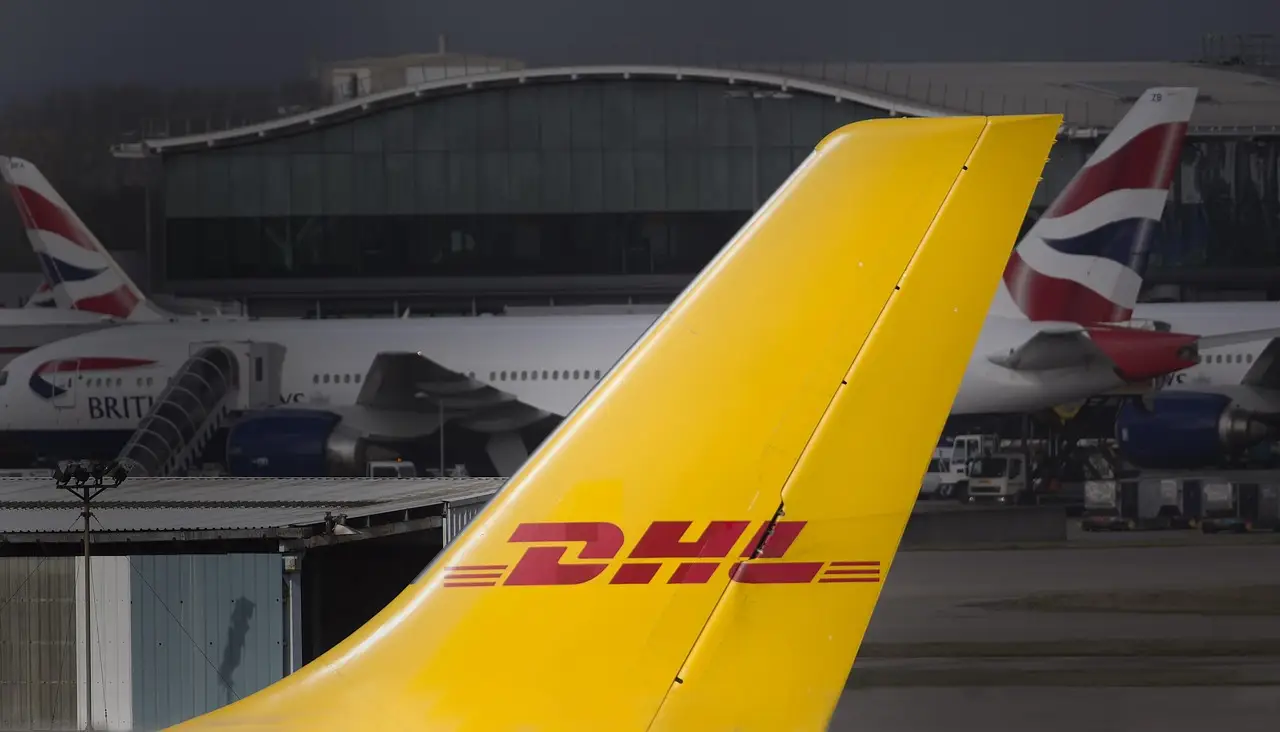
"Our expanding capabilities across key verticals are enabling us to address more of our customers' logistic needs, unlocking air freight demand from traditionally parcel-centric customers," Subramaniam said, citing a 15-fold increase in aircraft engine moves and new air freight business from an AI data center customer after a 40-year parcel-centric relationship. DHL Express is chasing the same heavy-freight logic to fill package aircraft.
What does this change for shippers?
Mostly, their invoices. Domestic revenue rose 10% on a 2% volume gain, but adjusted operating margins slipped 20 basis points to 6.6% on fuel and purchased transportation costs. Ground Economy volume fell 4% — intentional, as price hikes pushed out budget retailers.
Peak season looks decent: revenue is projected up 10% quarter over quarter, and the top 30 customers plan roughly 2% growth in average daily volume from Black Friday through Christmas. But costs will bite. FedEx outsources about 10% of linehaul and expects $130 million in higher monthly expenses from tight truckload capacity; it will insource more linehaul next year and take "specific commercial pricing actions." Analyst Jason Seidl of TD Cowen suggested rail intermodal could absorb some volume. Add $100 million of quarterly above-normal pilot wage inflation through 2027 and an $80 million rise in aircraft maintenance versus Q4 2025, plus a 5.9% general rate increase next year. Shippers have been warned.
Internationally, Express revenue grew 17%, mostly on fuel surcharges, pricing and volume recovery in the U.S.-China lane. Margins rose 4%. Low-yield U.S. exports dropped 11%, and Seidl expects FedEx to price out undesirable freight further in 2026.
Europe is being rebuilt country by country. France has lost 17 stations, gained two modernized hubs and 32 stations with new tracking tech; Italy is consolidating from eight hubs to three, with two Milan stations merged into one upgraded facility in June. Planned domestic capacity cuts run to 20% in Italy, 30% in the UK and 40% in France, with commercial teams pushing intercontinental and intra-European volume instead of low-yield intra-country traffic. FedEx targets $650 million in adjusted operating income in Europe by end-2029.
Elsewhere: most MD-11 freighters are back in service after the pylon-fatigue fix that grounded fleets following last November's fatal UPS crash; FedEx sold its contract logistics unit to CMA CGM for $1.4 billion; the $9.2 billion InPost deal, giving FedEx a 37% stake, is nearly done; AutoZone's Jamere Jackson arrives as CFO; and $2 billion of shares were bought back in the quarter. Analysts stayed bullish, and the stock barely moved, up less than a point to $307.08. The market, like FedEx, seems to be waiting for 2026 to judge whether the savings stick.
Original: getfreightdata.com
More from Amara Osei
Show full bio
Staff writer covering regulation, policy and their impact on Ocean and air freight, container shipping at Waybill Wire.
674 articles
Related05
FedEx CEO: supply chain upheaval is biggest shift in 35 years
CMA CGM closes $1.4bn FedEx Supply Chain deal
FedEx commits $150M to new Delhi air cargo terminal
Diesel Up 72% Is Devouring Truckload Carriers' Hard-Won Rate Gains
CMA CGM closes $1.4bn FedEx Supply Chain deal, targets Asia-Europe air cargo pact