WW/AIRCARGO
FedEx engine moves rise 15-fold as aerospace demand builds
FedEx reports hundreds of aircraft-engine moves since June 2025 and a 15-fold increase in engine movements, as dedicated teams broaden industrial freight.
- Desk
- Air Cargo
- By
- Elena Vasquez
- Filed
- Length
- 924 words
- Read
- 5 min
Key points05
- FedEx has transported hundreds of aircraft engines since June 2025.
- CEO Raj Subramaniam said engine movements increased 15-fold from prior levels.
- Emirates SkyCargo’s aerospace product grew 300% year over year in the first half.
- FedEx began serving 13 major automotive customers in the third quarter.
- Kuehne+Nagel acquired Ireland-based Eastway Global Forwarding in February.
By Elena Vasquez
FedEx aircraft-engine movements rose 15-fold from their prior level, CEO Raj Subramaniam said on the third-quarter earnings call. Since June 2025, the carrier has also transported hundreds of aircraft engines through a dedicated logistics process.
FedEx achieved the growth by integrating global parcel, freight, freight-forwarding and trade-compliance capabilities under one umbrella, with dedicated teams developing customized industrial solutions. The company said the integration produced a series of new customer wins.
For airlines, reliable movement of engines and oversized aircraft components can reduce time out of service and protect maintenance schedules. For FedEx, the approach converts parcel relationships into larger air-freight opportunities.
“When an aircraft engine needs to move, every hour matters and every detail counts,” Marcus Balzereit, president of FedEx Logistics, said in a company release. “A delayed engine can impact flight schedules, aircraft availability, maintenance schedules, and operational commitments across the aviation industry.”
“With our own airline DNA, we understand firsthand the complexity and urgency behind keeping aircraft flying. Our solution brings together dedicated aerospace experts, digital innovation, and a proven global network to provide customers with the speed, visibility, and reliability they need to keep operations running efficiently.”
What is driving aircraft-on-ground demand?
Aircraft-on-ground, or AOG, logistics supports aviation and aerospace companies, including overhaul facilities and suppliers, facing urgent operational disruptions. Speed matters when a grounded aircraft needs repair, a production line lacks a component, or a maintenance check reveals unexpected damage and the required part sits elsewhere.
Experts say urgent shipments require synchronization among logistics partners, the buyer and quality teams, adding coordination demands beyond ordinary freight forwarding.
Demand for engine transport has increased in recent years as new-generation engines prove less durable and airlines remove them from the wing for manufacturer repair. Supply-chain and regulatory headwinds have slowed airframers’ ability to deliver new orders on time, encouraging airlines to retain aging aircraft longer.
That combination raises demand for specialized support during unexpected aircraft downtime, critical-parts shortages, unplanned maintenance and other operational disruptions.
Logistics companies with AOG desks offer around-the-clock access to dedicated teams that can:
- Arrange transportation, make routing decisions and manage regulatory requirements under tight deadlines.
- Follow customer-specific operating procedures and provide next-flight-out service, dedicated trucking and charter flights.
- Use global offices and facilities, with enhanced monitoring and customer communication throughout the shipment lifecycle.
These features give shippers more transport choices when scheduled freight cannot meet a maintenance window. They also favor providers that combine routing control, aviation expertise and compliance handling in one operation.
Seattle-based Expeditors International said it expanded its AOG services last summer, while Kuehne+Nagel and Ceva Logistics maintain significant AOG operations. In February, Kuehne+Nagel acquired Ireland-based Eastway Global Forwarding Ltd., which specializes in AOG services, aircraft-engine logistics, aviation logistics and warehousing, and customs brokerage.
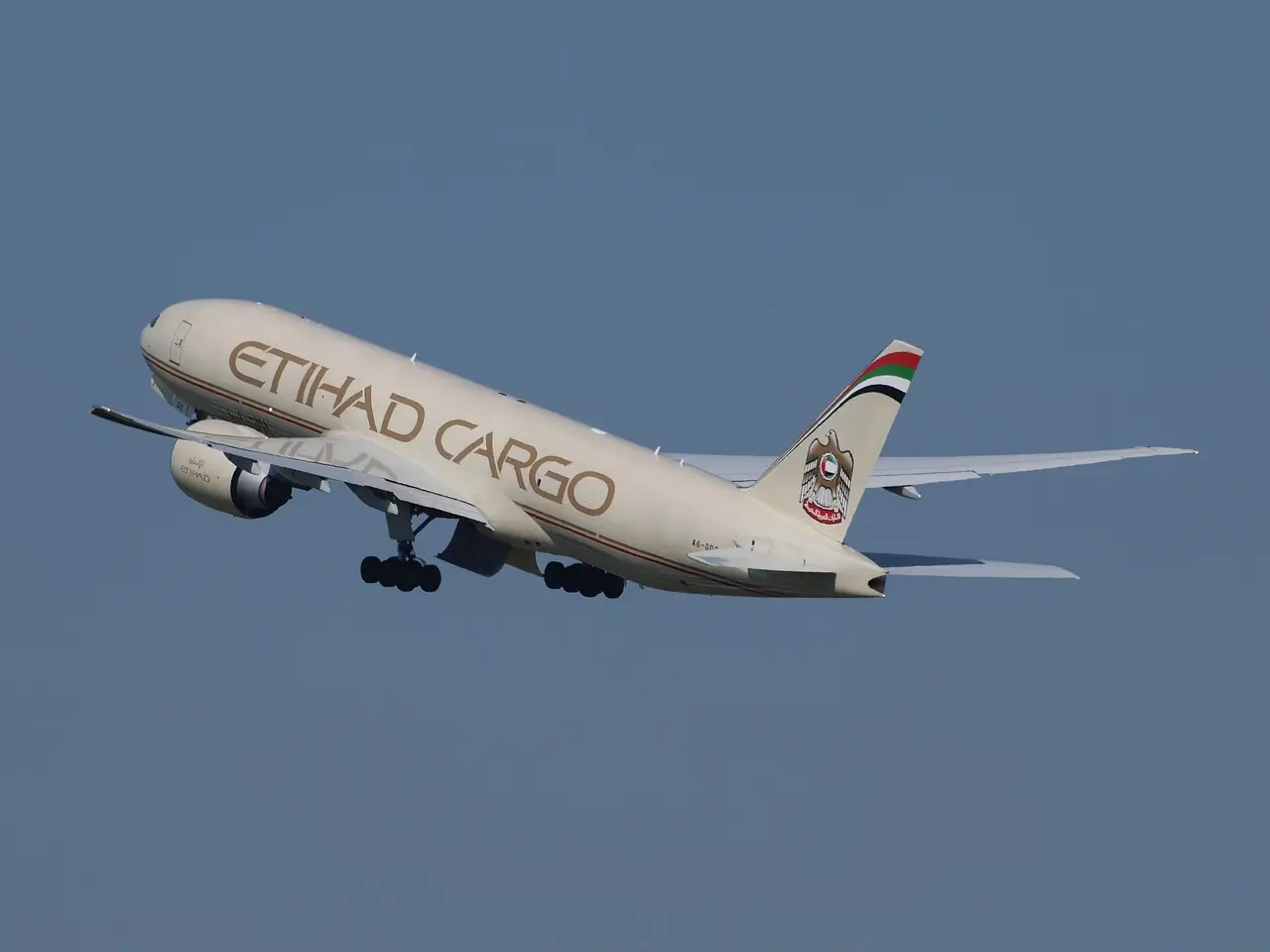
Emirates SkyCargo’s specialized aerospace product grew 300% year over year in the first half, providing another measure of rising demand for aviation-related air cargo.
For shippers, faster recovery of unavailable aircraft can protect flight schedules and operating commitments. For carriers and forwarders, AOG freight supports higher-value business but requires constant coordination, flexible aircraft and ground capacity, regulatory handling and secure documentation. FedEx’s 15-fold engine increase and Emirates SkyCargo’s 300% product growth point to expanding demand for that specialist work.
How has FedEx built the service?
FedEx promoted Marcus Balzereit to lead FedEx Logistics on Aug. 3. The freight-forwarding unit manages shipments for customers using both FedEx and third-party carriers, extending its industrial proposition beyond a single transport network.
Balzereit previously served as senior vice president of Asia Pacific sales and solutions. His mandate includes deepening industry expertise and developing tailored solutions that help key business customers optimize supply-chain operations.
FedEx’s aerospace support center manages all quotations for booking engines on freighter aircraft and oversees handling and transportation from origin to destination, much like a freight agent. Colleagues worldwide support centralized oversight, regulatory compliance, customs coordination and end-to-end accountability. A proprietary digital platform streamlines quotation generation, automates communication and securely manages shipment documentation.
What is the strategy producing beyond aerospace?
Last year, FedEx began offering differentiated services for the automotive production market as part of its focus on high-margin, premium logistics. A dedicated team, 24/7 support, flexible global pickups and enhanced visibility underpin the offer. The effort brought 13 major automotive customers into service during the third quarter, Chief Commercial Officer Brie Carere said on the earnings call.
The AI and data-center industry became FedEx’s fastest-growing vertical during the third quarter. A Frost & Sullivan report sponsored by FedEx discussed how AI influences trade patterns in the Asia-Pacific region and trans-Pacific freight movements, areas the carrier says it can capitalize on.
FedEx also generated double-digit healthcare revenue growth in the quarter. In July, the company established a life sciences division to coordinate specialized healthcare logistics operations.
“Our expanding capabilities across key verticals are enabling us to address more of our customers’ logistic needs, unlocking air freight demand from traditionally parcel-centric customers,” CEO Raj Subramaniam said. “Differentiation is increasingly centered on deep customer relationships and tailored service experiences, positioning us to capture more freight volume as we address customers’ needs beyond parcel.”
The coming quarters will test whether FedEx’s dedicated teams can convert 15-fold engine activity and a broader vertical portfolio into repeatable freight volume as Expeditors International and Kuehne+Nagel deepen their AOG services.
Source: Google News: air cargo
More from Elena Vasquez
Show full bio
News editor covering people, launches and day-to-day practice in Ocean and air freight, container shipping at Waybill Wire.
724 articles