WW/AIRCARGO
Federal Police checks trigger backlog at Guarulhos air cargo hub
Federal Police inspections filled Guarulhos’ cargo warehouse, leaving trucks waiting days, suspending new export intake and delaying imports that had already cleared customs.
- Desk
- Air Cargo
- By
- Amara Osei
- Filed
- Length
- 611 words
- Read
- 3 min
Key points
- A Federal Police anti-trafficking operation ran at Guarulhos from 18 to 22 November.
- Some trucks arriving Friday, 20 November, were still waiting to unload on Tuesday.
- VL Cargo reported a temporary suspension of new export freight acceptance on Monday.
- Guarulhos handled 59% of Brazil’s air exports and 55% of its air imports in 2025.
- The terminal reported record Q3 2026 volume of 99,500 tonnes, up 14.4% year on year, excluding couriers.
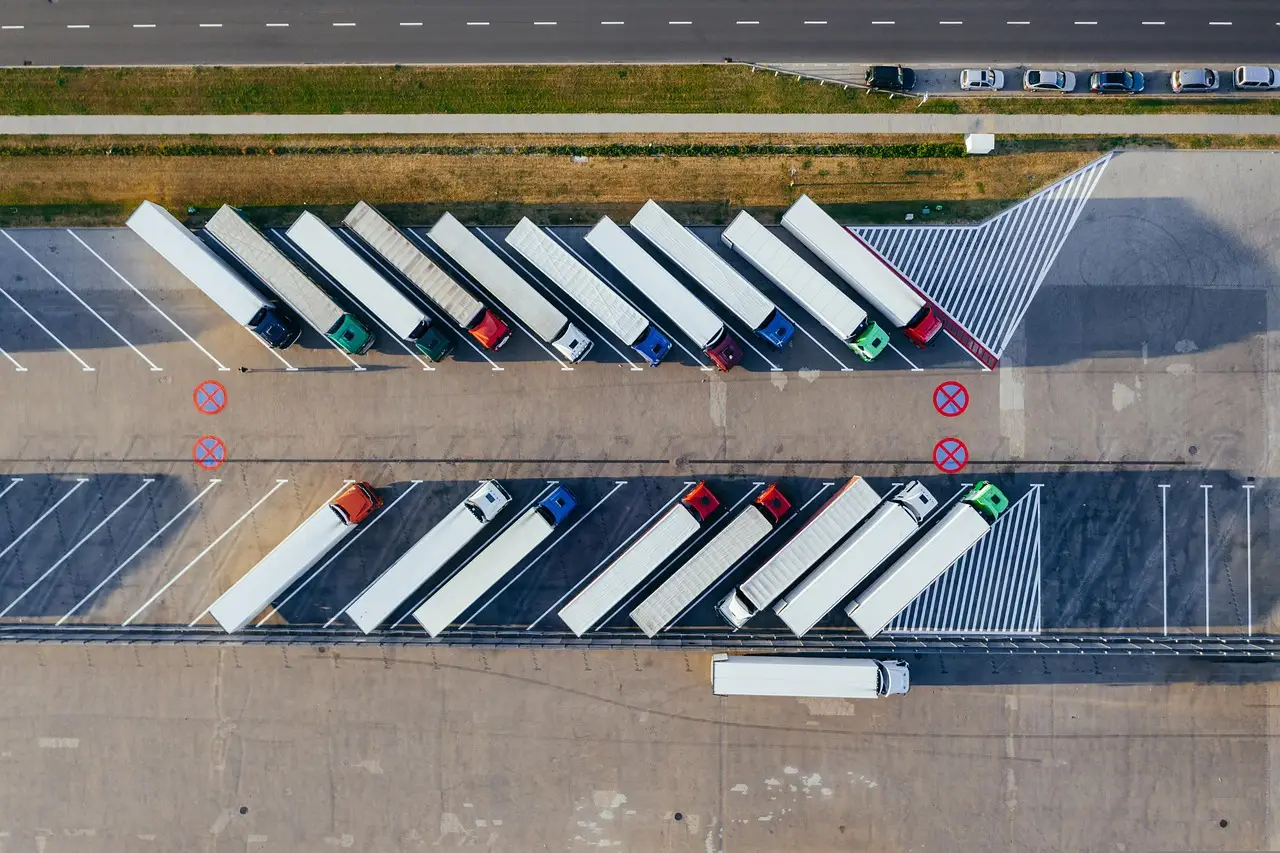
Federal Police inspections at Brazil’s busiest international air cargo hub, São Paulo’s Guarulhos Airport, left some trucks still waiting to unload on Tuesday, three days after they arrived Friday, 20 November, Kuehne+Nagel said. VL Cargo said new export acceptance was temporarily suspended, while a full warehouse held up imports that had already cleared customs.
The imbalance was already there
The airport had warned in June that imports were arriving faster than cleared freight was being collected. That mismatch tied up warehouse space and slowed receiving, storage and handover, it warned again on 12 November. Intensified export inspections then added a fresh constraint at the export side.
Brazil’s Federal Police announced an anti-trafficking operation at Guarulhos on 18 November, and Kuehne+Nagel said it ran through 22 November. The forwarder said police and customs officers continued inspecting cargo acceptance points and airline storage areas. The airport attributed the backlog to intensified checks on dry export cargo, without identifying a specific operation.
On Monday, VL Cargo said acceptance of new export freight was “temporarily suspended” and advised customers to hold deliveries. The airport said the terminal remained open around the clock, but asked hauliers to “confirm a slot before sending trucks.” Perishables, live animals and special cargo continued as usual, and officials gave no recovery date.
By Tuesday, Kuehne+Nagel said some airlines still could not collect freight from the terminal, leaving less room for new shipments. The delay came from stalled collection, not a shortage of freight arriving.
Lufthansa Cargo told customers it would rebook outstanding weekend shipments, Brazilian trade outlet FUP News reported. The carrier said the terminal had temporarily stopped handing general cargo to airlines and halted acceptance of new freight into storage once the warehouse reached capacity.
What does this change for shippers?
For exporters, the immediate constraint is terminal acceptance, and VL Cargo’s advice points to a hold at origin. Cargo already at Guarulhos can wait for airline collection; new shipments may wait before reaching the airport. For importers, freight that cleared customs can still stall before receiving, storage and handover.
Forwarders must plan around two gates: a confirmed truck slot and an airline able to take custody. Carriers face the reverse problem, because freight they cannot collect becomes terminal inventory and forces rebooking. Nominal flight space matters less than a functioning handover at Guarulhos.
Scale behind the backlog
The cargo terminal reported a record 99,500 tonnes in the third quarter of 2026, up 14.4% year on year and excluding courier shipments. In 2025, Guarulhos accounted for 59% of Brazil’s air exports and 55% of its air imports, according to the airport operator. A handling stoppage at a gateway with that reach quickly becomes a national supply-chain issue.
The reported cargo mix was broad enough to make selective handling less convenient. Automotive freight was the largest segment at 20%, followed by pharmaceuticals, chemicals and hospital supplies at 19%, and machinery at 12%. Fruit and eggs accounted for 36% of Guarulhos’s air export tonnage in 2024, with papayas and mangoes making up nearly four-fifths of fruit shipments.
Electrical and electronic goods, plus chemical-industry products including medicines, were the largest import categories by weight, according to São Paulo state’s logistics plan. Perishables continued through the disruption; general cargo did not. The queue therefore sat alongside automotive freight, medicines and fresh produce, though not with equal urgency.
No recovery date has been announced, and inspections were continuing. With terminal space constrained and airline collection still impaired, the near-term trajectory points to tighter effective capacity, more slot controls, storage limits and rebooking rather than an immediate snapback.
Source: The Loadstar
More from Amara Osei
Show full bio
Staff writer covering regulation, policy and their impact on Ocean and air freight, container shipping at Waybill Wire.
1,013 articles
Related
LATAM's Miami–Belo Horizonte Freighters Move 800 Tonnes in Year One
Adani Airports Halt Export Cargo to Russia, 150 Tonnes Stuck
Adani Airports halts Russia-bound cargo, 150 tonnes stuck
Thai Airways suspends freighter service as Bangkok cargo system fails
Cathay Cargo turns to AI-assisted screening for trade compliance