WW/TRUCKINGRA
Diesel Hit a Record $6.28 on Election Day. Congress Can't Fix That
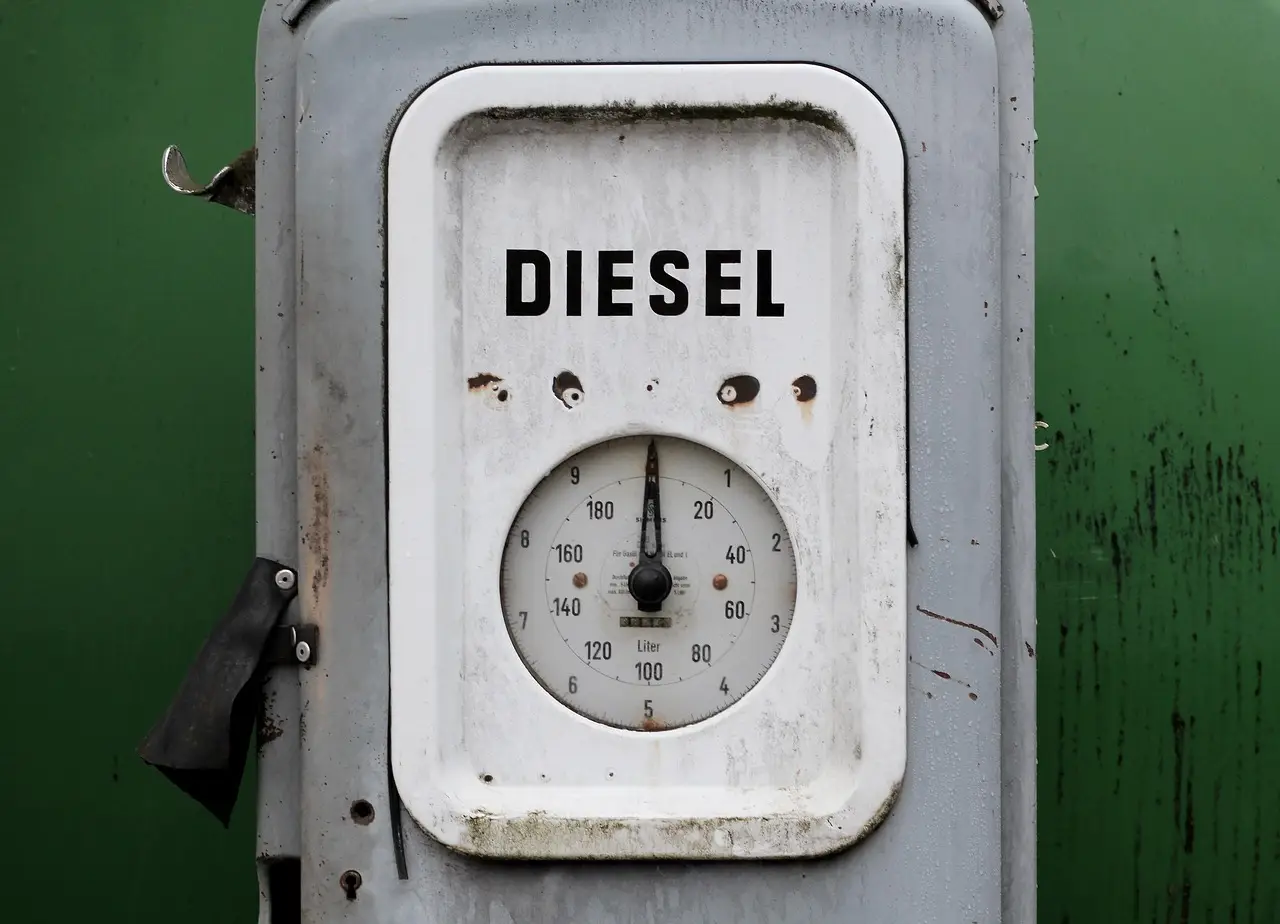
Diesel averaged $6.28 a gallon on Election Day — a nominal record — as the Iran war and global refining disruptions turned fuel into a midterm issue Congress can't quickly fix.
- Desk
- Trucking & Rail
- By
- Amara Osei
- Filed
- Length
- 577 words
- Read
- 3 min
Key points05
- National average diesel hit $6.28/gallon on Election Day 2026, the highest ever recorded on an Election Day (GasBuddy).
- Democrats won control of both House and Senate; new Congress takes office in January.
- U.S. refineries are running near capacity while attacks on global refining infrastructure tighten diesel supply.
- VP JD Vance blamed the Iran war for Republican losses; Trump said he didn't regret launching it.
- Export restrictions and dyed-diesel rule changes offer only limited relief, per analyst Tom Kloza.
The national average diesel price hit $6.28 a gallon on Election Day — the highest ever recorded on an Election Day in nominal dollars, according to fuel price tracker GasBuddy. That number, not any campaign promise, is what actually moved American politics in November 2026.
Diesel became an unlikely star of midterm coverage. Fox News' Charles Payne, host of Making Money, warned during election night: "There's one word that hangs like the sword of Damocles over the GOP: It's diesel." Two days later, Florida Gov.-elect Byron Donalds, a Republican, told Fox & Friends: "I think people were looking at the price of gas, the price of diesel, and I think those frustrations boiled over."
Vice President JD Vance blamed the war with Iran for Republican losses, and there's something to that. The war, launched by a president who campaigned on "no new foreign wars," has squeezed pocketbooks visibly — none more so than truckers'. Diesel has effectively become shorthand for economic pain, pushing up the cost of moving everything from groceries to construction materials.
What does the election change for trucking?
Very little, and not quickly. Democrats took both the House and Senate, but the new Congress doesn't sit until January. And even then, lawmakers can only do so much about a global fuel supply problem.
The core issue isn't crude alone. Global refining disruptions have tightened refined product supplies — diesel especially — and U.S. refineries are already running near capacity, leaving no slack to make up for lost output elsewhere. Attacks on refineries and energy infrastructure beyond Iran have compounded the shortage.
Oil markets analyst Tom Kloza has been making the point plainly: diesel, not crude oil, is the price to watch. The quick-fix ideas floating around Washington — restricting diesel exports, loosening dyed-diesel rules to allow on-road sales — offer limited relief at best. Neither touches the underlying refining shortfall.
Can Congress force prices down?
President Trump has repeatedly suggested fuel prices will fall once the war with Iran ends. But ending the fighting wouldn't immediately repair damaged energy infrastructure, restore disrupted refining capacity, or refill the U.S. Strategic Petroleum Reserve. Markets don't rebuild cracking units on Armistice Day.
Congress's leverage over the war itself is thin. It controls spending and could try to block new war funding, though the administration has already pulled money from other appropriated uses. It can pass binding War Powers Resolutions directing withdrawal of U.S. forces from unauthorized hostilities — but the White House essentially ignored earlier non-binding measures. And the blue wave fell short of a veto-proof majority.
On Election Day itself, Trump told The New York Times he didn't regret launching the conflict. Insider reports suggested he was weighing a new offensive shortly after the midterms. So the supply-side trigger for high diesel prices may not be going anywhere soon.
The bottom line for fleets
For carriers and the shippers absorbing fuel surcharges, the frustrating reality is simple: diesel prices helped change the political landscape, but the election didn't change the fundamentals of the fuel market. Farmers, fleets and consumers all felt the squeeze at $6.28 a gallon, and no vote in January reverses it.
What happens next depends on refining capacity coming back online and the war's trajectory — two variables Congress doesn't control. Diesel finally got the national attention it deserves. Bringing the price down is the harder, slower part.
Source: Google News: trucking industry
More from Amara Osei
Show full bio
Staff writer covering regulation, policy and their impact on Ocean and air freight, container shipping at Waybill Wire.
757 articles