WW/MARKETANAL
DHT locks in 68% of VLCC Q4 spot days at $579,000 per day
DHT has fixed 68% of Q4 VLCC spot days at $579,900 per day, with Q3 profit of $270.9m already beating all of 2025 as disrupted logistics stretch crude trades.
- Desk
- Rates & Markets
- By
- Amara Osei
- Filed
- Length
- 612 words
- Read
- 3 min
Key points05
- DHT booked 68% of Q4 VLCC spot days at an average $579,900 per day, versus $167,000/day in Q3.
- Q3 2026 profit after tax hit $270.9m, exceeding the entire 2025 full-year profit of $211m.
- Nine-month 2026 profit after tax stands at $633.7m.
- DHT Panther fixed to S-Oil at $697,000/day for Red Sea–South Korea; DHT Tiaga to IOC at $603,000/day.
- Blended Q4 average across spot and time charter stands at $267,500/day versus $141,300/day in Q3.
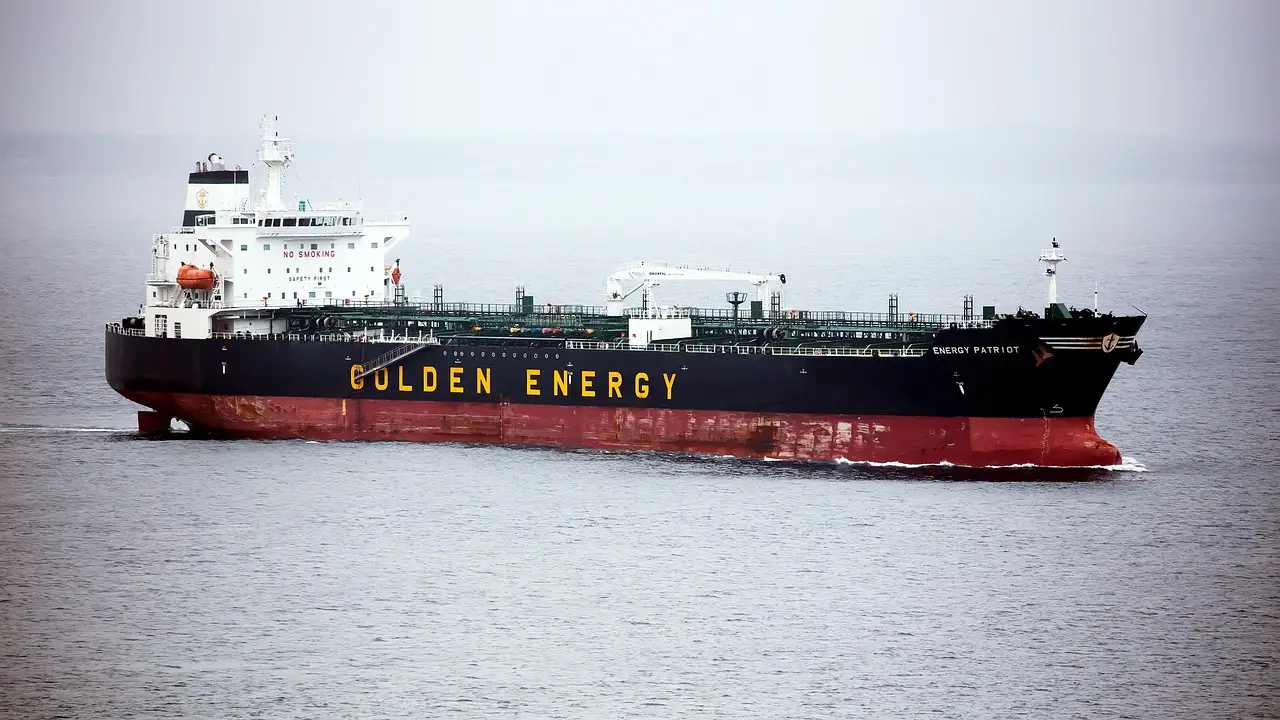
DHT Holdings has booked 68% of its VLCC spot days for the fourth quarter at an average of $579,900 per day — nearly three and a half times the $167,000 per day its spot-traded fleet earned across Q3. The NYSE-listed tanker owner disclosed the figure in its Q3 results, and it lands amid a broad run in VLCC spot rates on every trade.
Two individual fixtures illustrate the mood. The 2016-built DHT Panther was reported fixed to S-Oil for a Red Sea–South Korea voyage at $697,000 per day, while the 2012-built DHT Tiaga went to IOC in November for a West Africa–East Coast India run at $603,000 per day, according to Tankers International data. These aren't outliers on a chart; they're roughly what a modern crude tanker now commands when the trade is long enough.
What does this change for owners and charterers?
For DHT, the arithmetic is already dramatic. Adding its time-chartered fleet, booked at an average of $100,200 per day in Q4, the blended average across spot and period business stands at $267,500 per day for the fourth quarter. In Q3 that blended figure was $141,300. The company has, in effect, nearly doubled its per-day revenue base in a single quarter — assuming the remaining unbooked spot days don't collapse, which at current levels seems a modest risk.
For charterers and oil traders, the message is less cheerful. Securing modern tonnage late in the quarter means paying near the top of the market, or leaning on older, less efficient ships. Cargo interests with flexibility on sourcing and routing will keep shopping for shorter voyages; those locked into long-haul procurement patterns will carry the freight bill.
Q3 already beat all of 2025
The Q4 bookings follow a third quarter that DHT itself described in unusually warm terms. "The third quarter of 2026 was another exceptionally strong quarter for the company, with profit after tax amounting to $270.9 million, reflecting continued robust tanker market conditions and strong commercial performance," the company said.
That single-quarter result of $270.9 million eclipses DHT's entire profit after tax for 2025, which came in at $211 million. Put simply: three months of 2026 out-earned twelve months of last year by nearly 30%. Profit after tax for the first nine months of 2026 now stands at $633.7 million — three times the full-year 2025 figure with a quarter still to come.
Why the market is running this hot
DHT's explanation is structural rather than seasonal. "The freight market remains strong due to ongoing logistical disruptions resulting in operational inefficiencies, in combination with shifting crude procurement patterns expanding transportation distances," the company said.
Translation: the world is moving crude over longer distances through more congested corridors, and ton-miles are doing the heavy lifting. Disruptions keep ships waiting, inefficiency absorbs effective supply, and procurement shifts — crude sourcing moving between regions — stretch voyages that used to be short. None of that is a one-week phenomenon, which is presumably why DHT felt comfortable leaving a third of its Q4 spot book open rather than fixing everything early.
The open question for competitors is whether to follow the spot-heavy strategy. DHT's willingness to keep most of its fleet in the spot market is what delivers these numbers when rates spike — and what would hurt if they don't. With Q4 largely locked at $579,900 per day on 68% of spot days, that debate is, for now, academic. The market's structural drivers — longer hauls and disrupted logistics — remain in place heading into 2027.
Source: seatrade-maritime.com
More from Amara Osei
Show full bio
Staff writer covering regulation, policy and their impact on Ocean and air freight, container shipping at Waybill Wire.
950 articles