WW/TRUCKINGRA
De-fleeted trucks get second lives as export and remarketing demand grows
Fleet trucks leave service on lease cycles and cost economics, not mechanical failure — and inspection, remarketing and export can extend their working lives.
- Desk
- Trucking & Rail
- By
- Elena Vasquez
- Filed
- Length
- 680 words
- Read
- 3 min
Key points05
- Fleet replacement decisions reflect operating costs, lease expiry and emissions rules rather than mechanical failure
- No universal replacement age or mileage exists; the test is whether the truck still makes commercial sense for its current operator
- Secondary-market appeal depends on specification, condition, maintenance history, documentation and parts availability
- Export adds port transport, customs documentation, shipping and onward delivery to the second-life journey
- Matching a de-fleeted truck to a better-suited operator can significantly extend its productive working life
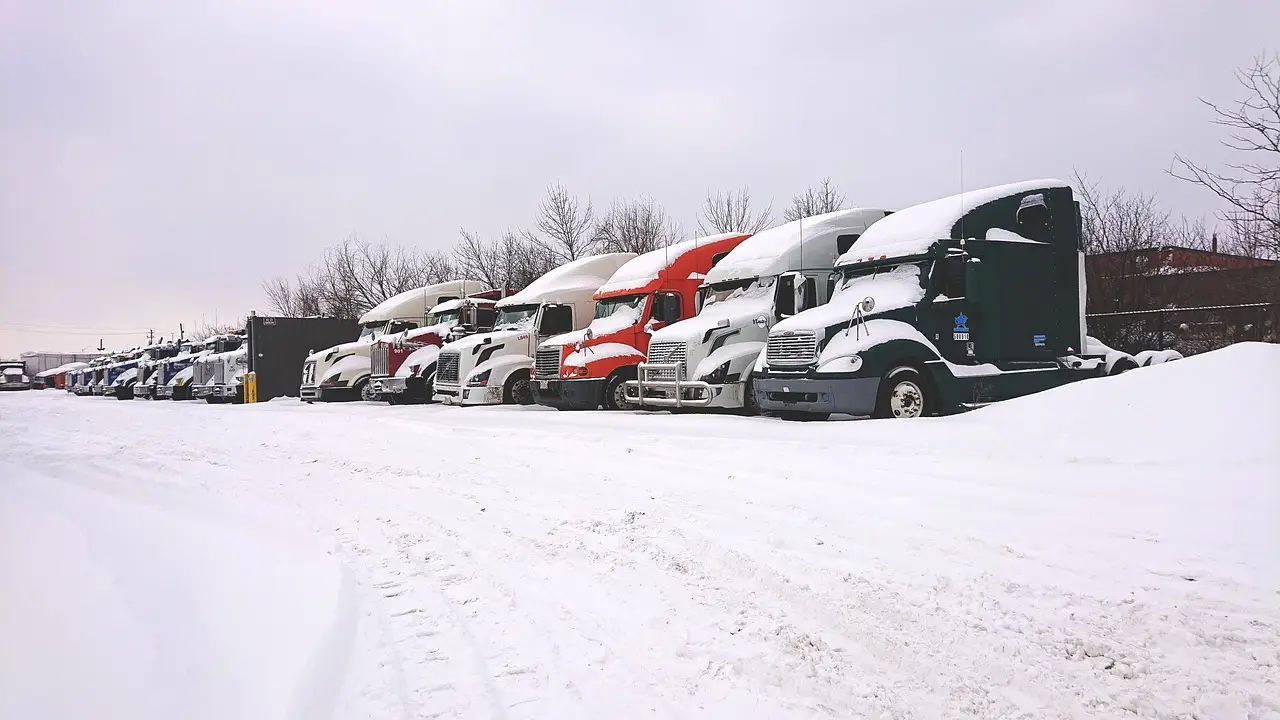
Most trucks leaving a fleet still have years of productive work ahead of them, because replacement decisions hinge on economics and operating fit rather than mechanical failure. That is the core message from Andrea Easton, head of finance and operations at Walker Movements, a specialist in second-hand trucks and trailers, who traces the full journey a commercial vehicle takes after its first operator lets it go.
A big gap separates the end of a truck's first fleet life from the end of its useful life. Planned replacement cycles, lease expiry, warranty expiration, rising maintenance costs, emissions rules and changing contracts or routes all push vehicles out of fleets while they remain fully serviceable.
Why do fleets replace trucks that still work?
Replacement decisions reflect commercial logic, not scrapyard logic. Fleets weigh fuel efficiency gains from newer technology, standardization of the fleet, shifting business requirements and contract or lease end-dates when deciding to rotate vehicles out.
There is no universal replacement age or mileage threshold. Vehicle use, condition and each fleet's own requirements vary too widely for one rule to apply. The test, Easton writes, is simply whether keeping the vehicle still makes commercial sense for its current operator — a truck that no longer fits one fleet's routes or loads can remain perfectly viable for another.
What happens during the de-fleet process?
The process begins with inspection. Once a truck leaves active service, its condition and history must be established before anyone decides what comes next. Inspection covers:
- mechanical condition and bodywork damage
- tires and other wear items
- servicing and repair documentation
- specification, configuration and any equipment fitted during fleet life
- defects or preparation work needing attention before marketing
A preparation phase typically follows, and its depth varies considerably between vehicles. Work can include cleaning, presentation, minor repairs, defect rectification and replacement of damaged or missing components. Not every truck needs extensive refurbishment.
Photography and documentation then give prospective buyers a clear picture of condition and specification. For ex-fleet vehicles, the previous fleet history provides useful context on how the truck was operated and maintained, helping a buyer judge whether it meets their requirements. The aim, Easton writes, is to present the vehicle accurately and resolve issues before it moves to its next role.
How does a truck find the right second operator?
Suitability in the secondary market depends on the complete vehicle, not a single attribute. Tractor unit or rigid format, axle arrangement, engine output, transmission, wheelbase and cab type all shape which operators will want the vehicle. Body configuration, specialist equipment, emissions standard and payload capability narrow the field further.
The market logic is straightforward matching: a specification that has become wrong for one fleet's routes and loads may fit an operator carrying different loads on different routes. The secondary market, Easton argues, allows commercial vehicles to remain productive rather than being judged solely on their fit with the first owner.
Why do some trucks begin their second life overseas?
Demand and operating requirements differ between national markets, and that difference drives cross-border flows of used trucks. Local availability, cost pressures, demand for particular specifications, operating environments and different replacement cycles all play a part, so a truck surplus in one market can stay commercially useful in another.
Export adds logistics steps of its own: transport to a port, export and customs documentation, shipping arrangements and loading requirements, then onward collection or delivery at destination.
What determines whether a second life is viable?
Buyers weigh condition, maintenance history, age, mileage, specification, previous use, documentation and parts availability together. Previous use matters because two vehicles with similar mileage may have experienced very different operating conditions, and parts availability alone can decide whether a vehicle stays practical for a second operator.
Easton frames de-fleeting as a transition rather than a terminus: matching a truck's existing characteristics to an application where they remain useful can significantly extend its productive working life, keeping the commercial vehicle life cycle running well beyond the point at which the first operator considers the vehicle surplus.
Source: fleetowner.com
More from Elena Vasquez
Show full bio
News editor covering people, launches and day-to-day practice in Ocean and air freight, container shipping at Waybill Wire.
786 articles