WW/OCEANFREIG
Container rates ease while Asian port congestion persists
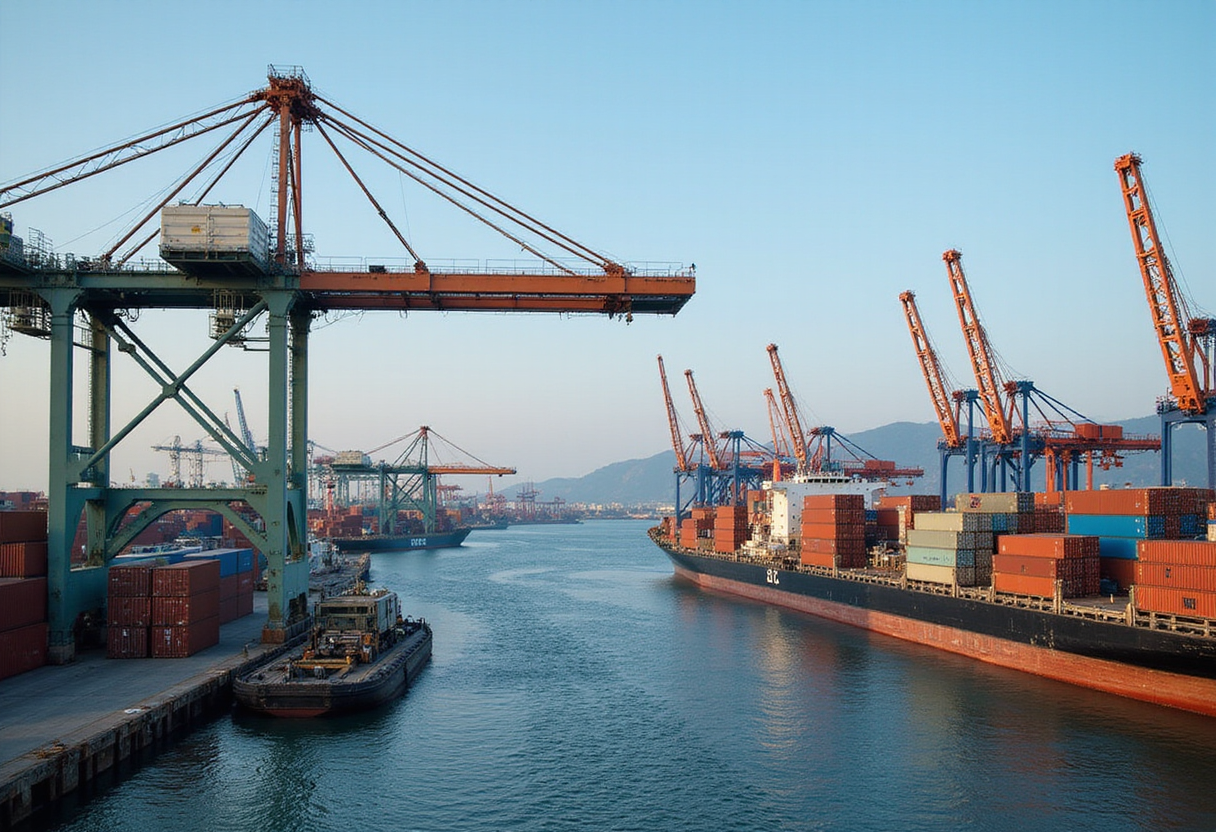
Spot container rates from Asia are softening while port congestion across the region continues to delay vessel turnarounds, Daily Cargo News reports, creating a split signal for shippers and forwarders.
- Desk
- Ocean Freight
- By
- Tom Whitfield
- Filed
- Length
- 430 words
- Read
- 2 min
Key points05
- Container spot rates from Asia are easing per Daily Cargo News
- Port congestion across Asian hubs continues to slow vessel turnarounds
- Transpacific and Asia-Europe spot lanes are the key index read-outs to watch
- Carriers face a trade-off between capacity discipline and ongoing yard congestion
- Forwarders booking spot cargo face lower headline rates but less reliable schedules
Spot container rates from Asia are easing even as port congestion across the region continues to drag on vessel turnaround times, Daily Cargo News reported.
The headline captures the two-track dynamic shaping ocean freight right now: the price signal is loosening, but the physical network has not caught up. That gap is what shippers, carriers and forwarders are watching most closely.
What does easing rate pressure actually mean?
When spot rates soften, carriers are usually filling fewer slots per sailing. Lines respond by trimming published levels or holding offers to defend a workable price. For shippers tied to a benchmark index, that is typically the first quarter-to-quarter breathing room they have seen in some time.
For carriers, lower spot returns eat into the surplus that funded the recent ordering cycle. Operators leaning heavily on transpacific and Asia-Europe spot business will see the impact before those buried inside annual service contracts.
Why hasn't congestion eased with rates?
Port congestion in Asian hubs moves on its own clock. Vessel bunching, yard density, and landside trucking gaps do not unwind simply because the next sailing has spare slots. Lines may still be sailing on stretched schedules no matter what the spot index does today.
The Daily Cargo News framing points to a handoff period: softer pricing on the screen, but longer dwell times and missed connections at the box. Forwarders booking cargo now face a trade-off between a lower headline rate and a less reliable schedule.
What does this change for shippers and forwarders?
For BCOs negotiating 2025 volumes, the rate direction matters more than the congestion. Sustained softening hands procurement teams leverage to reopen talks or peg new contracts to a lower index.
For forwarders running spot exposure, the trade is tighter. A cheaper headline rate only turns into margin if the boxes cross on time and roll no further than the booked discharge port.
What's the forward signal?
The convergence question is whether carrier blank sailings and capacity discipline arrive before or after congestion clears. If lines pull capacity while Asian yards remain jammed, rates stabilise and reliability stays poor. If congestion clears first, rates likely drop further.
Watch the next weekly index prints from the transpacific and Asia-Europe lanes, and the major hub-port call data from Singapore, Tanjung Pelepas and Kaohsiung. Those read-outs turn a one-line headline into a tradable signal.
Carriers are now weighing whether to cut capacity or hold the line as Asian terminal congestion continues to slow vessel returns and rate pressure builds on spot bookings.
Source: Google News: port congestion
More from Tom Whitfield
Show full bio
Market editor covering companies, deals and strategy in Ocean and air freight, container shipping at Waybill Wire.
414 articles
Related05
China Container Rates Climb 6% as Port Congestion Tightens
Asia-US spot premium over Europe hits record, Sea-Intelligence warns
Carriers back to 'price-gouging' on ocean container trades
Container Rates Extend Six-Week Climb on Americas Demand
Container Spot Rates Keep Sliding, But Carriers' Capacity Discipline Softens the Fall