WW/PROCUREMEN
Chili’s supply chain reset supports menu consistency and sales
Chili’s sales rose 10% year over year as Brinker reset supplier specs, introduced four-bun clusters, moved chicken testing weekly and raised some truck delivery frequency to three times a week.
- By
- James Calloway
- Filed
- Length
- 786 words
- Read
- 4 min
Key points05
- Chili’s posted sales growth for a 22nd consecutive quarter, up 10% year over year.
- Same-store sales rose 71% over five years, while cumulative sales increased more than 50% over three years.
- Four-bun clusters entered production for 80% of restaurants in January 2024; the remainder followed in January 2025.
- Chicken Crispers testing has run weekly since July 2023, replacing monthly checks.
- Within weeks of launch, Chili’s was selling 161% more sandwiches than before launch and averaged 55 per restaurant per day in the latest quarter.
Chili’s has now logged 22 consecutive quarters of sales growth, with the latest up 10% year over year and same-store sales 71% higher over five years. Cumulative sales growth exceeds 50% over three years.
At parent Brinker International, Chief Supply Chain Officer James Butler has spent nearly four years reshaping a function he found stagnant when he joined in 2023. Cost reduction had taken precedence over the restaurant team-member and guest experience. Butler, now also Brinker’s senior vice president of corporate strategy, says the reset starts with changing how the team buys.
“When I came in, I recognized that’s not a recipe for growth. I really had to convince the team here that if we’re going to grow, we’ve got to think differently about the way that we’re doing things,” Butler said.
What changed at Brinker?
Brinker, which owns Maggiano’s, now ranks food safety first, manager friction second and cost management third, Butler said. Its supply-chain team traces restaurant problems to suppliers to address root causes, rather than treating buying and price as the only levers. Butler called satisfaction among restaurant teams the key to any restaurant’s success.
That change aims to remove small nuisances from restaurants so managers can focus on serving guests and supporting their teams, Butler said. Chili’s sometimes pushes suppliers to adjust products or operations, and long-term relationships provide the mechanism for those changes, which cascade through the chain.
For suppliers, the commercial test is whether tighter requirements and more testing can be justified by growing volume; for Brinker, the payoff is steadier execution across a larger restaurant base.
What has growth required?
Chili’s identified supply for its Big Crispy Chicken Sandwich as a major requirement as the chain grew. The sandwich debuted in April with Honey Chipotle and Nashville Hot variations. Within weeks, the chain was selling 161% more sandwiches than before the launch; in the latest quarter, it averaged 55 sandwiches per restaurant per day.
“When people come to your restaurant for a specific item … you want to make sure that you have the capacity for it,” Butler said.
To support demand, Chili’s increased truck deliveries from twice a week to three times a week at some locations. The denser schedule raises transport coordination demands while giving restaurants more frequent access to product. Chili’s has also used long-standing supplier ties to reserve capacity and preserve supply continuity.
How did Chili’s fix menu inconsistency?
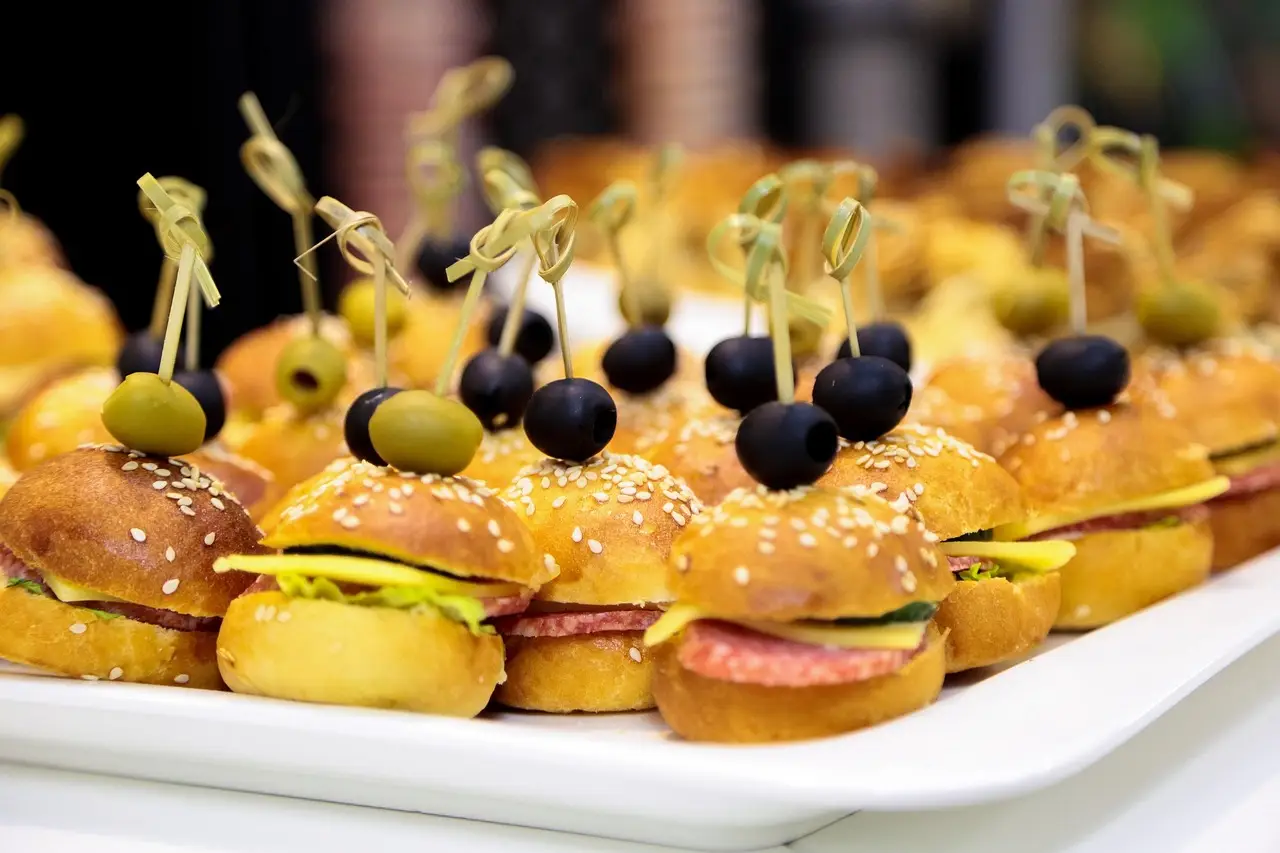
One early target was the bun used for burger sliders. Buns arrived as a large sheet of 36 connected units, and a prep cook spent about 30 minutes each day separating them. Butler brought the bakery supplier to a restaurant to show the problem.
Within three weeks, the supplier delivered a four-bun prototype that required no prep time and did not tear. The supplier had first said it could make a quick change to bake the buns in groups of four.
Chili’s put the four-bun cluster into production for 80% of restaurants in January 2024; the remainder were in place by January 2025. The chain continues to use the same suppliers for the buns.
Chicken Crispers, a popular Chili’s item, presented a different consistency problem. Butler described the tenders as plump and abundant and more food than one person could eat, but the product specification allowed suppliers to send small pieces that looked almost like boneless wings rather than large tenders.
Those variable sizes made a repeat customer base harder to build, so the supply-chain team tightened the specification and increased product testing from monthly to weekly.
Chili’s has tested Chicken Crispers weekly since July 2023 and plans to continue, Butler said. The cadence is designed to keep products aligned with the specification and reduce inconsistent tenders reaching restaurants.
What did suppliers get in return?
More stringent Chicken Crispers requirements and weekly testing initially drew pushback because suppliers said the changes lowered operating efficiency. Yet Chili’s has nearly doubled spending on that category with the same suppliers since the change. Once suppliers saw that product adjustments could expand Chili’s sales, and their own business, they became more receptive.
Some suppliers have served Chili’s for 30, 40 or even 50 years, Butler said. He wants those companies to remain healthy, profitable and motivated to keep supplying the chain. For suppliers, the trade is tighter specs and weekly testing for long relationships and more volume.
Going forward, weekly Chicken Crispers testing will remain in place, while Chili’s higher delivery frequency at selected locations and its supplier capacity commitments will determine whether the chain can keep popular items available as demand grows.
Source: Supply Chain Dive
More from James Calloway
Show full bio
Correspondent covering companies, deals and strategy in Ocean and air freight, container shipping at Waybill Wire.
765 articles