WW/MARKETANAL
Capital Tankers locks in up to $82.2m suezmax charter at $180,000 a day
Capital Tankers has fixed its 2026-built, LNG dual-fuel suezmax Amor for 15 months at roughly $160,000-$180,000 per day, locking in up to $82.2m amid a red-hot crude market.
- Desk
- Rates & Markets
- By
- Tom Whitfield
- Filed
- Length
- 684 words
- Read
- 3 min
Key points04
- Capital Tankers fixed the 155,348 dwt suezmax Amor for 15 months, worth $73.1m-$82.2m — roughly $160,000-$180,000 per day.
- The 2026-built, LNG dual-fuel, scrubber-fitted vessel was constructed at New Times Shipbuilding and starts the charter in November.
- The company raised around $500m at its Oslo listing this year and lined up $930.3m in financing for 11 VLCC newbuildings last month.
- Capital controls 33 tankers (15 VLCCs, 10 suezmaxes, 8 aframax/LR2s), with 16 newbuildings due through 2028 and options for 13 more.
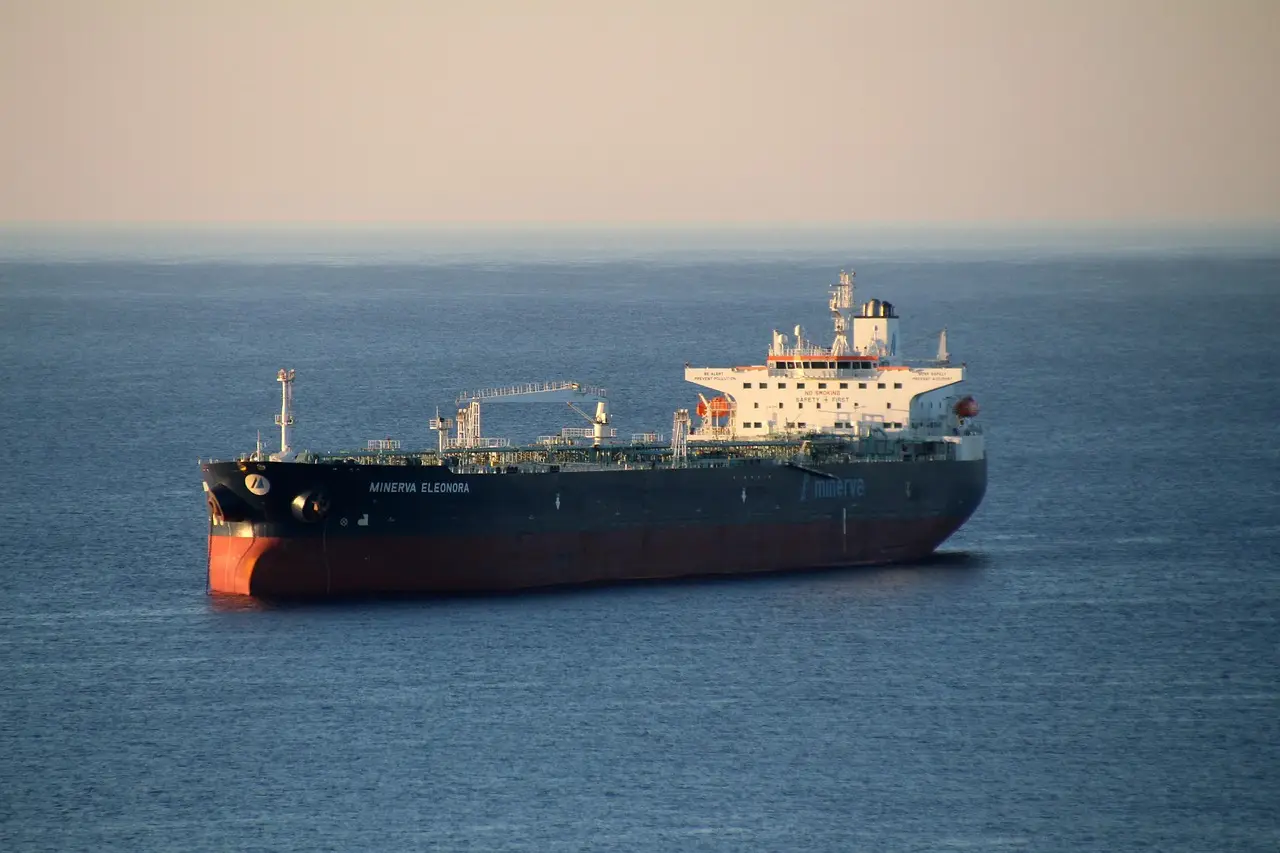
Capital Tankers has fixed its 155,348 dwt suezmax Amor on a 15-month charter worth between $73.1m and $82.2m — a deal that works out to roughly $160,000 to $180,000 per calendar day, based on the disclosed revenue range and duration.
The Oslo-listed, Evangelos Marinakis-backed owner said on Friday that the vessel goes to work for an unnamed global energy company starting in November. Capital did not disclose the contractual daily hire, nor did it explain the spread within the projected revenue band. But the arithmetic speaks for itself: six-figure daily earnings, locked in for over a year, on a single ship.
That rate matters because it tells you where the crude tanker market sits right now. Exceptionally strong, by the trade's own description. Owners who once leaned entirely on spot trading are now choosing to lock in earnings instead, converting today's heat into contracted revenue that runs into 2026 and beyond.
What does this change for charterers and owners?
For charterers — here a global energy company — the calculus is the reverse. Fixing a modern suezmax for 15 months at these levels is an insurance purchase. The energy firm is paying a premium to guarantee tonnage through a period when spot availability could cost more. It's also hedging against a fleet that keeps getting older elsewhere; the Amor is not that fleet.
The ship itself is part of the story. Built in 2026 at China's New Times Shipbuilding, the Amor is LNG dual-fuel capable and fitted with a scrubber. That combination gives the charterer fuel-choice flexibility under tightening emissions rules and lets the owner capture the spread between high-sulphur and low-sulphur fuel. Premium ships earn premium fixtures. This one just proved it.
A $500m listing, a $930m financing, a 33-ship fleet
The fixture lands on top of an aggressive expansion run. Capital Tankers listed in Oslo earlier this year and raised around $500m to fund a substantial tanker newbuilding programme. Last month, it went further: $930.3m in financing lined up for 11 VLCC newbuildings under construction in China and South Korea.
Those agreements cover hulls at three yards — Hanwha Ocean in South Korea, plus Dalian Shipbuilding Industry Co and Hengli Shipbuilding in China. The money advances the funding of a fleet that is growing fast and mostly still on the slipway.
The current numbers look like this:
- 33 tankers controlled in total
- 15 VLCCs, 10 suezmaxes, eight aframax/LR2s
- 17 vessels trading today
- 16 newbuildings scheduled for delivery through 2028
- Options held for another 13 crude carriers
Read that last line again. Options for 13 more crude carriers, on top of 16 ships already building. If exercised, Capital would roughly double the newbuilding count and push its controlled fleet toward 50 units. Few owners of its age have assembled that kind of forward orderbook.
The mechanism behind the fixture
Here's how the lock-in logic works. A suezmax earning $160,000–$180,000 per day on a 15-month term produces $73m–$82m of guaranteed revenue, whatever spot rates do next year. Spot exposure offers upside if rates climb higher. It also offers nothing if they don't. With the crude market already at exceptional levels, Capital is selling the top of the market to a counterparty willing to pay for certainty — and freeing its balance sheet to keep funding steel.
The company didn't explain the gap between the $73.1m floor and the $82.2m ceiling. Likely candidates include hire escalation clauses, redelivery timing, or performance-linked elements. The structure, not just the headline, is doing quiet work.
For competitors and forwarders watching the segment, the signal is that modern, fuel-flexible tonnage is commanding multi-year commitments from energy majors at rates that would have seemed implausible two years ago. Older steamers won't clear this bar.
Whether Capital converts its 13 options — and whether the crude market holds these levels through the 2028 delivery window — will decide whether this fixture looks like a peak-time masterstroke or simply the first of many.
Source: Splash247
More from Tom Whitfield
Show full bio
Market editor covering companies, deals and strategy in Ocean and air freight, container shipping at Waybill Wire.
747 articles
Related05
Tanker Owners Bank $400m a Day Above Budget as VLCC Rates Break $1.3m
Exmar banks $22m profit on first suezmax resale
VLCC MEG-China Rates Hit $1.2M/Day as Hormuz Strikes Lift Tankers
Capital pays over $106m for Exmar's first suezmax newbuilding
Imperial Petroleum exits suezmaxes with $82m Suez Protopia sale