WW/MARKETANAL
Brent slips 0.6% to $91.44 as supply surplus pressures crude
Brent fell 0.6% to $91.44 a barrel on Nov. 20 as robust Middle East exports and an estimated 2 million-bpd surplus outweighed renewed U.S.-Iran and tanker-route risks.
- Desk
- Rates & Markets
- By
- James Calloway
- Filed
- Length
- 720 words
- Read
- 4 min
Key points05
- Brent January settlement fell 0.6% to $91.44 a barrel on Nov. 20, 2026.
- WTI January fell 0.4% to $82.11, while the expiring December contract lost 1% to $82.40.
- The IEA forecasts a roughly 2 million-barrel-a-day surplus this quarter, while Goldman Sachs sees glut risk next year.
- U.S. average retail gasoline fell 3.14 cents overnight to $3.6898 a gallon.
- European and U.S. diesel cracks fell Nov. 19 to their lowest levels since the summer.
Brent crude for January settlement fell 0.6% to $91.44 a barrel on Nov. 20, 2026, heading for a third straight weekly decline of more than 4% and trading below $92. West Texas Intermediate for January delivery, the most-active WTI contract, slipped 0.4% to $82.11; the December contract, expiring the same day, lost 1% to $82.40.
Brent has fallen about one-fifth this month as Middle East supply recovered and President Donald Trump held off on renewed strikes against Iran. The International Energy Agency expects a roughly 2 million-barrel-a-day surplus this quarter, while Goldman Sachs Group has warned of a possible glut next year.
What pushed crude lower?
The supply outlook outweighed conflict risk and broad-based selling in risk assets. A gauge of global equities is heading for its longest losing streak in more than three years, copper has tumbled on nerves around the artificial-intelligence trade, and Treasuries have rallied as investors retreat from risk.
Arne Lohmann Rasmussen, chief analyst at Global Risk Management, said: “Without fresh escalation, the market remains biased lower, with weakness across commodities and fragile risk appetite adding to the pressure. This is a broad-based selloff where weakening fundamentals accelerate the move in crude.”
Why hasn’t Hormuz lifted crude?
President Donald Trump told Axios on Nov. 19 that he was “not rushing into any decision” on Iran. Energy Secretary Chris Wright said on Fox News that flows through the Strait of Hormuz were at a record, tempering concern that regional exports could be interrupted.
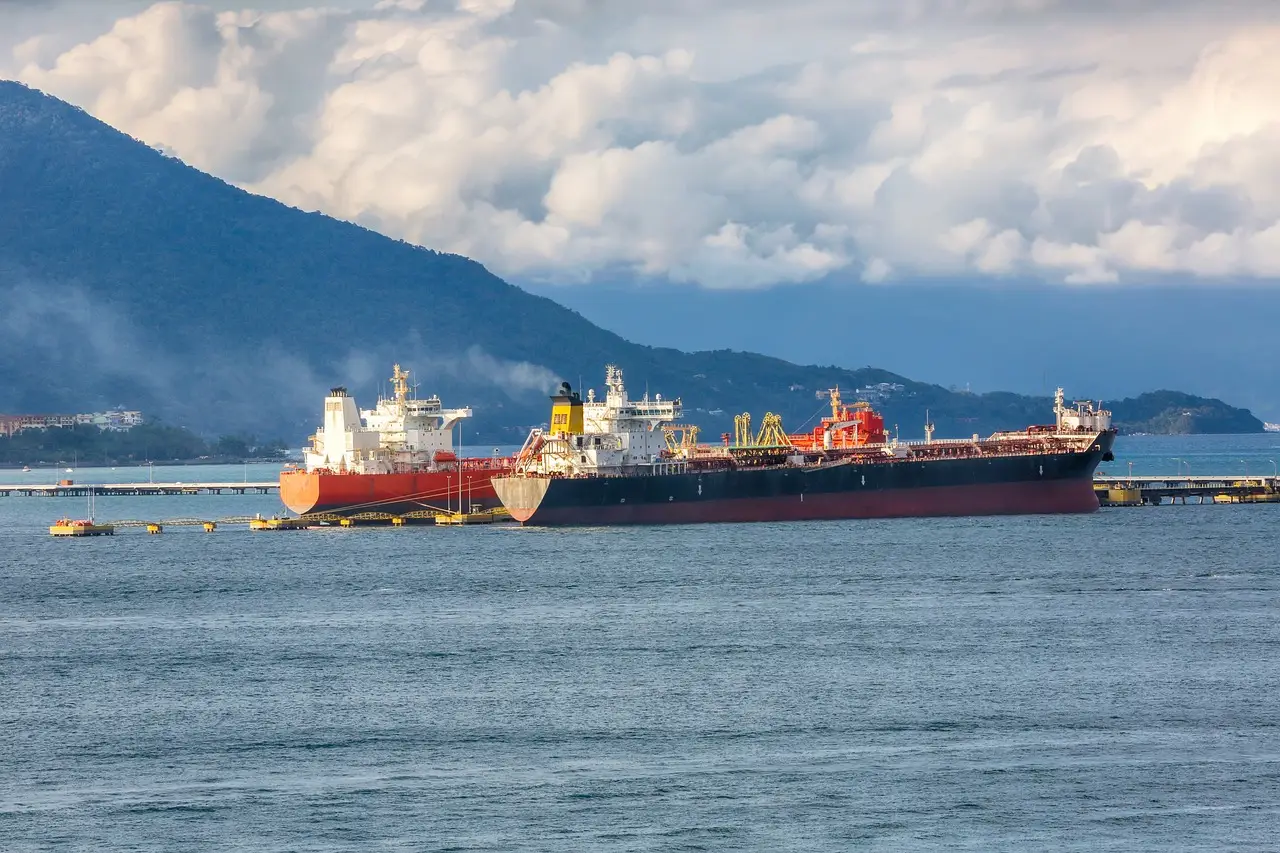
Security risk has not disappeared. U.S. warplanes struck Iran’s Qeshm Island during the week, Tehran stepped up attacks on oil tankers crossing Hormuz, and Tehran-backed Houthis continued to strike Riyadh. The United States also has widened its blockade of Iran, keeping exporters and tanker owners exposed despite ample cargo flows.
Norbert Ruecker, head of economics at Julius Baer Group, said the combination of robust Middle East exports and a growing supply surplus suggested geopolitics was taking a back seat. He expects pressure on oil prices to persist.
What does the move mean for freight?
The first commercial effect reaches U.S. road fleets at the pump. The average retail gasoline price dropped 3.14 cents overnight to $3.6898 a gallon on Nov. 20, according to Tom Kloza. He said the 2022 Thanksgiving record of $3.586 a gallon could remain the holiday high, while also seeing more downward price momentum.
Diesel has fallen more slowly, limiting the immediate saving for truck fleets and other diesel users. Refiners’ diesel profits are dropping sharply: so-called diesel cracks fell again on Nov. 19 to their lowest levels since the summer in both Europe and the United States, a sign that some forces behind this year’s fuel-price spike are easing.
European gasoil futures also declined during the week. Ole Sloth Hansen, head of commodity strategy at Saxo Bank, said the move matters amid inflation and rate-hike anxiety, while warning that crude may struggle to fall further until there is solid evidence of a solution to the Iran war.
For shippers, tanker operators and forwarders, abundant exports support cargo availability, but attacks on tankers keep route risk elevated. For trucking fleets, slower diesel declines mean less immediate relief than gasoline consumers receive. Lower U.S. pump prices may also ease anger over fuel bills that helped propel Democrats to victories in the recent midterm elections.
For U.S. fleet operators, a separate compliance issue remains: Paul Rosa of Penske Truck Leasing discussed preparations for the EPA’s tougher 2027 NOx standard, set to take effect in January.
What could reverse the decline?
The supply balance provides the clearest downside case, but conflict can reverse it quickly. Record Hormuz flows, recovered Middle East exports and a roughly 2 million-barrel-a-day quarterly surplus favor continued pressure if no fresh escalation occurs. A new U.S. strike, wider fighting around tanker routes or a broader blockade could tighten risk pricing even without an immediate physical loss of exports.
Without fresh escalation, Brent is likely to remain below $92 and under pressure, but the Iran conflict limits how far prices can fall. The next test is whether exports keep flowing through Hormuz while U.S.-Iran hostilities stay contained.
Source: ttnews.com
More from James Calloway
Show full bio
Correspondent covering companies, deals and strategy in Ocean and air freight, container shipping at Waybill Wire.
992 articles