WW/AIRCARGO
Bengaluru and Vancouver Airports Ink Sister-Airport Pact for Air Cargo
Bengaluru's BLR and Vancouver's YVR sign a sister-airport pact for air cargo, formalising cooperation on freight development along the India–Canada lane.
- Desk
- Air Cargo
- By
- Tom Whitfield
- Filed
- Length
- 665 words
- Read
- 3 min
Key points04
- Kempegowda International Airport (BLR), Bengaluru, and Vancouver International Airport (YVR) signed a sister-airport agreement for air cargo.
- The pact formalises cooperation between the two airport operators on cargo development and trade-lane promotion.
- No new freighter routes or tonnage commitments take effect on signature; the deal establishes a knowledge-sharing and planning framework.
- The agreement targets the growing India–North America air freight relationship, with Bengaluru strong in pharma and tech cargo.
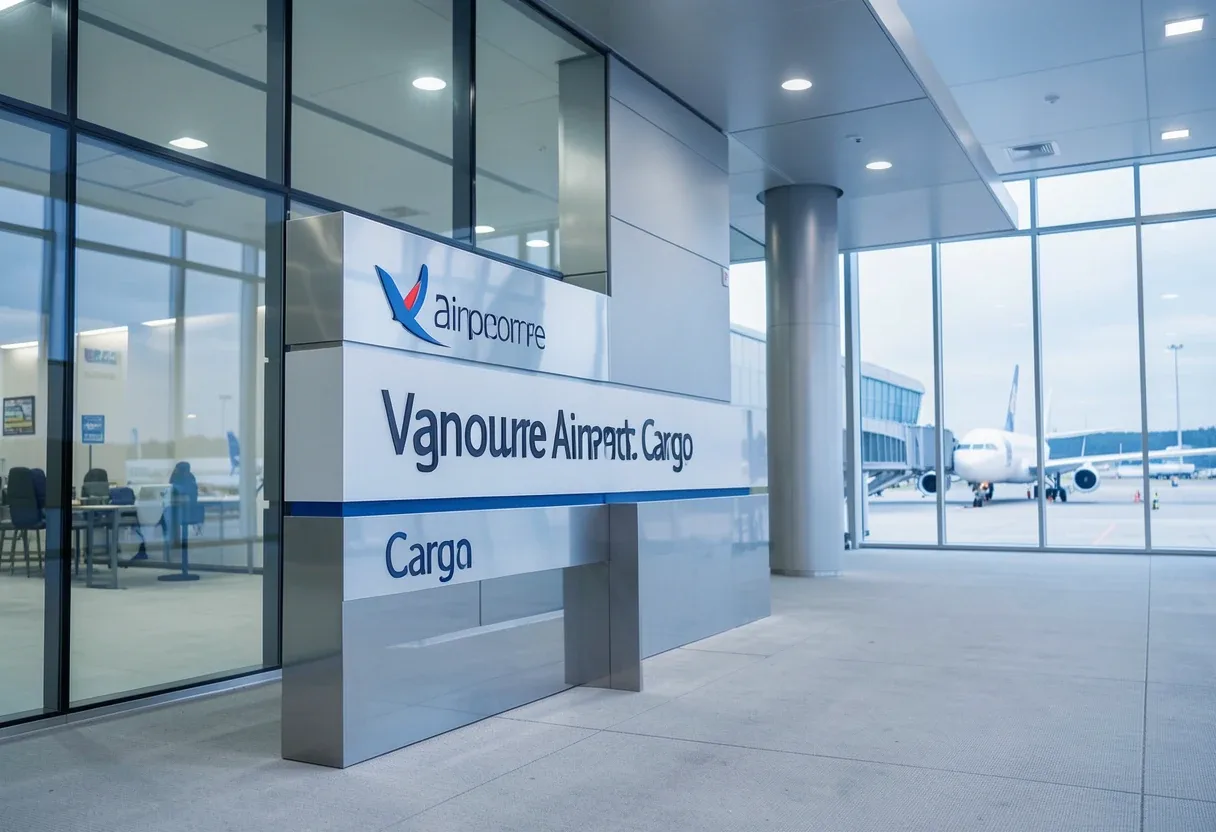
Kempegowda International Airport (BLR) in Bengaluru and Vancouver International Airport (YVR) have signed a sister-airport agreement focused on air cargo, formalising cooperation between two gateways that sit at opposite ends of a growing India–North America trade relationship.
The pact, reported by Logistics Insider, commits the two airport operators to structured collaboration on cargo development. Sister agreements of this type typically cover exchange of operational knowledge, joint promotion of freighter traffic, and alignment on handling capacity and cargo infrastructure planning. For BLR, operated by Bangalore International Airport Ltd (BIAL), the deal extends a sustained cargo push in south India; for YVR, run by Vancouver Airport Authority, it deepens ties into one of the fastest-expanding air freight origin markets globally.
What does the agreement actually change?
In the near term, not much that a shipper would notice on a rate quote. Sister pacts are institutional, not operational. No new freighter routes, tonnage commitments, or handling contracts come into force on signature day. What changes is the planning channel between the two operators: data-sharing on cargo flows, mutual learning on terminal processes, and a standing framework for marketing the BLR–YVR pairing to carriers and forwarders.
That framework matters because cargo development is a long game. Airports compete for freighter calls and belly-hold share by proving throughput capability — cold-chain handling, pharma compliance, dangerous-goods certification, trucking connectivity. An agreement that formalises exchange between two operators signals to airlines that both ends of the lane are being managed deliberately, rather than opportunistically.
Why this pairing makes commercial sense
Bengaluru is India's dominant technology and pharmaceuticals hub, two cargo segments that fly. BLR has invested heavily in cargo infrastructure as it positions itself as the southern alternative to Mumbai and Delhi for long-haul freight. Vancouver, on Canada's Pacific coast, serves as a North American west-coast gateway with strong transpacific links and a well-regarded cargo community. India–Canada air trade has grown steadily, and belly capacity on North America services has tightened whenever passenger networks rebalance.
For carriers, a formal airport-to-airport relationship can smooth the ground side of a freighter operation: slot coordination, handling standards, ramp access. For forwarders, it raises the odds that both gateways keep investing in the facilities their high-value cargo needs. And for shippers of pharma, electronics and perishables, better-matched infrastructure at both ends reduces the friction — and the dwell time — that erodes product quality and landed cost.
The mechanism, briefly
Think of a sister-airport pact as a standing working relationship rather than a commercial contract. Executives and cargo chiefs from each operator exchange visits. Best practice in areas like perishables handling, automation and cargo community systems gets compared. Marketing teams jointly court airlines that could fly the lane. Over time, if the cooperation bears fruit, it can mature into concrete outcomes: a new freighter service, a dedicated handling partnership, coordinated capacity expansion.
The risk with such pacts is that they stay on paper. Plenty of sister agreements have been signed with ceremony and quietly lapsed. What separates the productive ones is follow-through: joint business plans, named accountabilities on each side, and targets tied to cargo volumes or new services. Neither airport has yet published specifics of that kind, so the freight market will judge this deal by what appears on the departure boards and cargo manifests over the coming quarters.
What to watch next
The practical signals will be operational. A freighter operator adding BLR–YVR to its network, expanded pharma or perishables handling capacity at either airport, or joint trade-promotion activity targeting Indo-Canadian cargo would show the agreement working. Absent those, the pact remains a statement of intent — useful diplomacy, but not yet capacity.
For now, forwarders and shippers moving cargo between India and western Canada should read this as groundwork: two airport operators aligning their cargo ambitions along a lane that both believe will grow, with the hard infrastructure and service commitments still to come.
Source: Google News: air cargo
More from Tom Whitfield
Show full bio
Market editor covering companies, deals and strategy in Ocean and air freight, container shipping at Waybill Wire.
503 articles
Related05
ACAAI Opens 50th-Anniversary Convention in Goa, Draws Air Cargo Leaders
Delta Cargo plugs into CargoWise in push to automate air freight bookings
SAS Cargo hands India sales to Allied Aviation as GSSA
Lufthansa Cargo commits to Navi Mumbai as carriers flag readiness gaps
JAL, Nippon Express partner on Asia–North America air cargo