WW/AIRCARGO
Amazon Cargo Flight Crew Unaware of Wind Conditions Before Crash
The crew of a crashed Amazon cargo aircraft did not know the wind conditions at the time of the accident, Reuters reports, raising questions over weather briefing procedures across the e-commerce giant's contracted air freight network.
- Desk
- Air Cargo
- By
- James Calloway
- Filed
- Length
- 527 words
- Read
- 3 min
Key points03
- Pilots of the crashed Amazon cargo plane were unaware of wind conditions at the time of the accident, per Reuters.
- The finding raises questions about how weather information reaches flight crews on Amazon's contracted freighter network.
- The investigation has yet to establish whether the missing wind awareness was the cause of the crash.
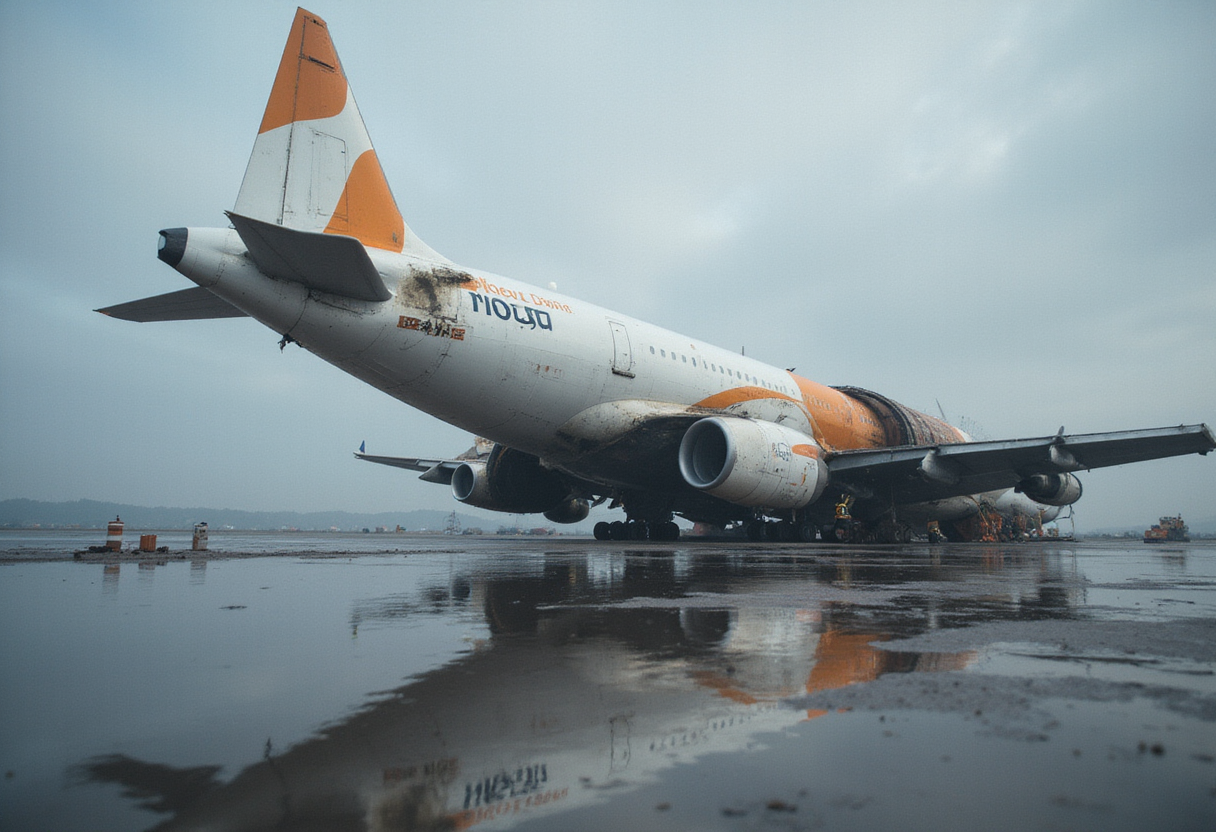
The pilots operating a crashed Amazon cargo plane were unaware of the wind conditions at the time of the accident, Reuters reports, a finding that puts the spotlight back on how flight crews contracted to the e-commerce giant's air network receive and act on weather information.
The disclosure goes to the heart of one of the most safety-critical links in express freight: the moment of approach and landing, where wind data determines runway selection, approach speed, and go/no-go decisions. A crew arriving at a destination without accurate or current wind information loses the single most important variable in stabilizing a descent.
For Amazon, the operational stakes extend well beyond a single hull. The company has built a dedicated freighter network — Amazon Air — using leased and contractor-operated aircraft to move inventory between fulfillment centers and to feed its delivery promise. Every accident involving an aircraft flying under the Amazon brand, even when the aircraft is flown by a contracted carrier, tests the reliability perception that the network's marketing to sellers depends on.
The finding also matters to the contractors themselves. Cargo operators flying for Amazon typically run tight schedules with high aircraft utilization, and any indication that weather briefing procedures failed to deliver actionable wind data to a cockpit invites scrutiny of dispatch practices, cockpit information flows, and crew resource management. Carriers in similar positions have historically faced regulatory review, procedural overhauls, and in some cases fleet-level changes to how weather is communicated before landing.
For shippers and forwarders using air freight into the affected network, the practical consequences play out in capacity and schedule terms. Aircraft removed from service, whether through loss or temporary grounding for inspection, tighten available lift on the lanes that aircraft served. Express networks compensate by re-routing volume across the remaining fleet or shifting it to trucking, which raises transit times on affected corridors and can push spot demand toward alternative operators.
What the finding does not do, on the information available so far, is assign final cause. Establishing that the crew was unaware of the wind conditions identifies a gap in information transfer; it does not by itself establish whether that gap caused the crash, whether equipment failed, or whether procedures were followed as written. Investigators will need to connect the missing wind awareness to the sequence of events that ended in the accident, and to determine whether the failure lay in the reporting chain, the cockpit instrumentation, or the briefing materials provided before the flight.
The answers will carry commercial weight. If the gap traces back to dispatch or data distribution, Amazon's aviation contractors face procedural corrections that could slow turnarounds while systems are revised. If it traces to the aircraft or its sensors, maintenance and equipment questions follow for the fleet type involved. And if crew procedures are implicated, training requirements may tighten across operators flying similar cargo missions.
Aviation authorities and the operator involved are expected to address the weather-briefing gap as the investigation proceeds, and the eventual findings will shape whether Amazon Air's contractor carriers adjust how wind and weather information reaches flight decks before landing.
Source: Google News: air cargo
More from James Calloway
Show full bio
Correspondent covering consumer brands and retail at Waybill Wire.
130 articles