WW/MARKETANAL
AI Chip Squeeze, $5 Diesel and $3bn Honda Bet Reshape Freight
AI demand is starving automotive chip supply, the EIA lifted its 2027 diesel forecast 12% to $5.03/gallon, and Honda committed $3 billion to a 240,000-unit Ohio plant.
- Desk
- Rates & Markets
- By
- Marcus Bennett
- Filed
- Length
- 625 words
- Read
- 3 min
Key points05
- EIA raised its 2027 retail diesel forecast 12% to $5.03 per gallon
- Honda will invest $3 billion in an Ohio plant adding 240,000 units of annual capacity by 2029
- Kearney/MIT model puts driverless truck cost at $2.60 per mile in 2028
- Lineage and Americold cut 9 million sq ft of cold-storage capacity over two years
- 79% of 210 surveyed U.S. fleet operators expect fleet growth next year
Semiconductor makers are warning that foundries and packaging providers are diverting capacity toward higher-margin AI products, deepening shortages of the mature-node chips that vehicles and industrial equipment depend on. The squeeze follows years of limited investment in legacy nodes, and chipmakers now see AI demand creating bottlenecks across the automotive supply chain, Reuters reported Nov. 10.
The consequence for shippers is straightforward: automotive and industrial buyers face a second round of component scarcity, this time not from pandemic demand but from foundries chasing AI margins. No volume figures were disclosed, and the warnings come without a timeline for relief.
How tight are fuel markets?
Tight. The U.S. Energy Information Administration now expects retail diesel to average $5.03 per gallon in 2027 — a 12% jump from its October forecast. Shipping disruptions and constrained global refined-product supplies are driving the revision. For truckload carriers, every 10-cent rise in diesel roughly erodes margin on lanes where fuel surcharges lag spot prices; for shippers, it hardens the case for mode shifts.
What is transportation inflation doing to sourcing?
Third-quarter executive commentary, tracked by FreightWaves, shows higher fuel and freight costs squeezing manufacturers while improving rail competitiveness and rewarding refiners with shorter supply lanes. Network design is becoming a primary determinant of margin exposure — the distance between plant and customer now moves the P&L as much as the freight rate itself.
Is driverless trucking actually near parity?
A Kearney and MIT model projects U.S. driverless trucks could cost $2.60 per mile in 2028. The crossover point depends on fleet scale, technology costs, utilization and unresolved regulatory and liability questions — meaning the date is a model output, not a commitment. Carriers planning equipment cycles around 2028 should treat parity as conditional.
Where is capacity moving?
Several shifts stand out:
- Honda will spend $3 billion on a flexible Ohio plant building hybrid, gasoline and battery-electric vehicles, adding up to 240,000 units of annual capacity and more than 2,000 jobs when production starts in 2029.
- Lineage said customer inventories have normalized at lower levels after it and Americold cut 9 million square feet of cold-storage capacity over two years; higher fuel costs continue to pressure food volumes and transportation expense.
- Stellantis agreed to sell its idled Brampton, Ontario assembly plant to armored-vehicle maker Roshel. Unions object that defense work cannot replace the automotive capacity and thousands of jobs the site previously supported.
Are fleets about to buy again?
A Bain survey of 210 U.S. fleet operators found 79% expect their fleets to grow during the next year, with fuel prices, total ownership cost and changing technology shaping purchasing decisions. That is a bullish signal for equipment demand — though expectation surveys historically overstate actual orders when freight markets stay soft.
What about China's port technology push?
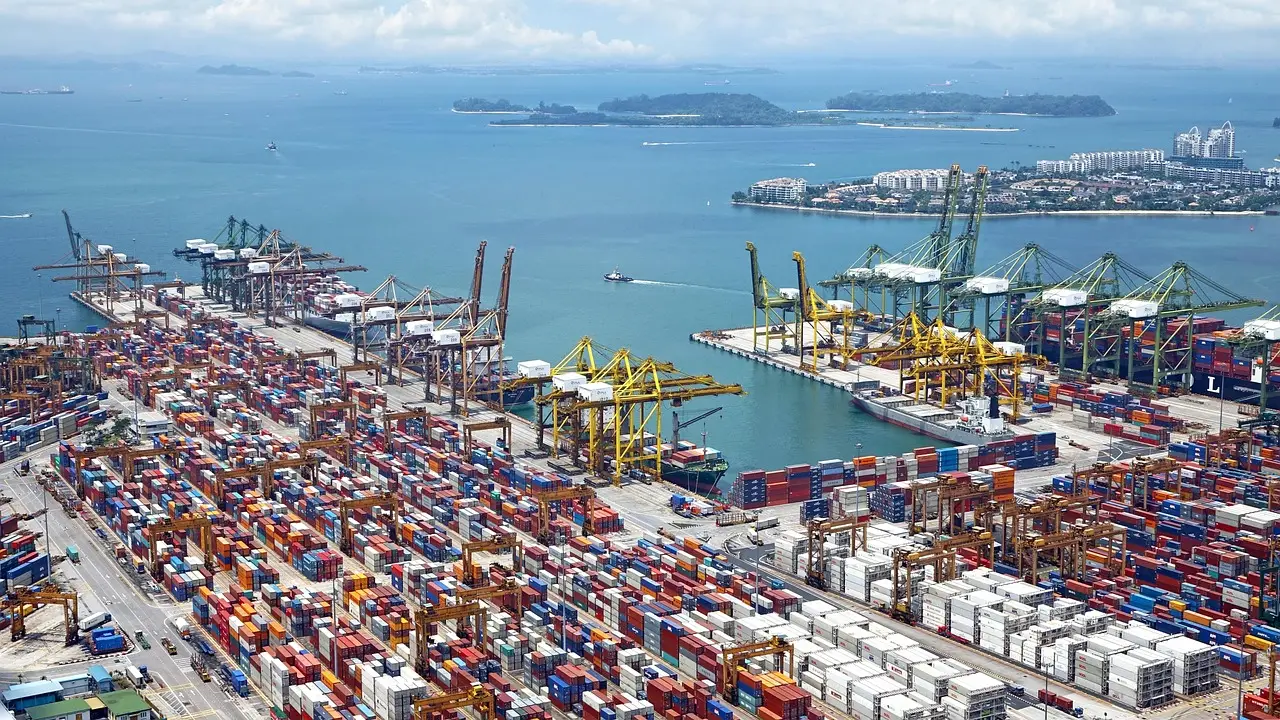
China is expanding automated terminals, digital trade documents and AI-enabled customs systems both at home and abroad, in an industry it says carries 80% of global trade. The efficiency gains are real; so are Western concerns about surveillance, economic leverage and dependence on Chinese logistics technology, according to Reuters.
What is regulators' next move?
MSHA has proposed revisions to miner silica protections that retain existing exposure limits while changing monitoring, medical surveillance, recordkeeping and respiratory-protection requirements. The proposal also removes five outdated rules. Comments are due Jan. 11, with a virtual public hearing set for Dec. 15.
For shippers and carriers, the common thread across these developments is cost pressure with no near-term relief: diesel drifting toward $5.03, chips constrained at the legacy nodes freight-reliant industries use, and capacity decisions — from Ohio assembly lines to cold-storage square footage — now being made on multi-year horizons.
Source: scmr.com
More from Marcus Bennett
Show full bio
Senior reporter covering regulation, policy and their impact on Ocean and air freight, container shipping at Waybill Wire.
940 articles