WW/OCEANFREIG
A 'Tsunami' of Imports Is Hitting US Ports, and Uncertainty Is Driving It
Importers spooked by tariff and policy uncertainty are pulling cargo forward, creating a 'tsunami' of container volumes at some US ports — and a cliff on the other side.
- Desk
- Ocean Freight
- By
- Tom Whitfield
- Filed
- Length
- 704 words
- Read
- 4 min
Key points05
- Marketplace describes a 'tsunami' of import volumes hitting some US ports
- The surge is driven by uncertainty, not underlying consumer demand
- Shippers are pulling orders forward to hedge against expected tariff and policy changes
- Front-loaded volume implies a booking trough once the surge burns off
- Carriers, forwarders and shippers face diverging commercial consequences through the peak
A wave of import volumes — a "tsunami," in the word Marketplace used — is slamming into some US ports, and the trigger isn't demand strength. It's uncertainty.
That distinction matters for anyone booking ocean freight right now. A demand-driven surge means the cargo keeps coming. An uncertainty-driven surge means it stops, abruptly, the moment the fog clears. Front-loaded volume is borrowed volume. At some point the invoice comes due.
What's actually happening at the docks?
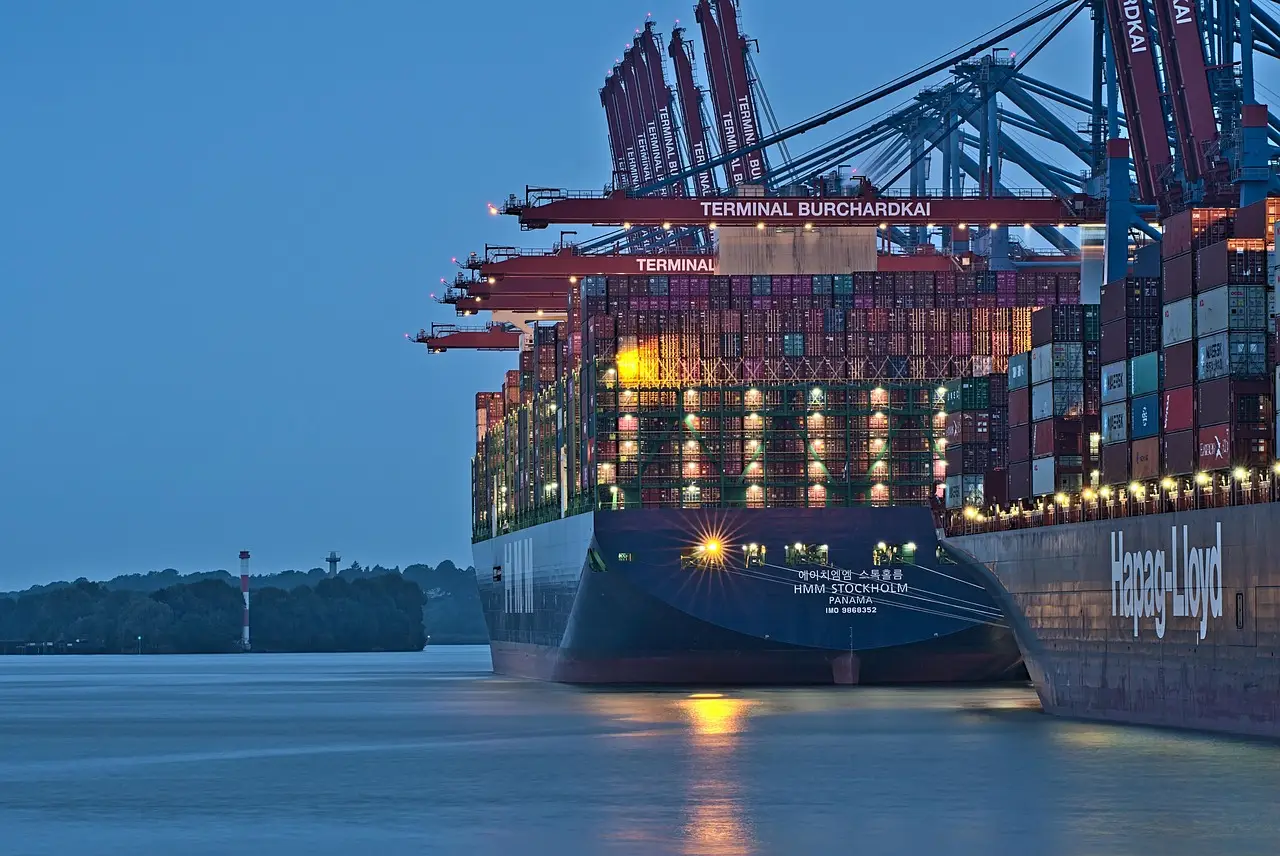
Ports are reporting unusually heavy inbound container traffic concentrated at specific gateways rather than spread evenly across the coast. The pattern is consistent with what the trade has seen before: when shippers expect costs or rules to change for the worse, they buy early.
The mechanism is simple. An importer hears that tariffs might rise, or that a new customs regime might land on a specific date. Waiting is now a risk. So the importer calls its supplier, pulls the production schedule forward, and books space weeks ahead of plan. One shipper doing this is noise. Hundreds doing it at once is a tsunami.
Multiply that decision across appliances, apparel, furniture and electronics supply chains, and you get berths congested with cargo nobody needed this month — cargo that will be conspicuously absent a month or two from now.
Why does uncertainty, not demand, cause a surge?
This is the counterintuitive part, and it's worth taking apart. In a normal market, import volume tracks consumption: retail sales, industrial output, housing starts. Shippers order what they can sell.
Uncertainty breaks that link. The decision to import stops being a sales forecast and becomes a hedge. Importers are effectively buying insurance — paying storage, financing and demurrage costs now to avoid paying a potentially higher tariff later, or to avoid being caught short if rules tighten without warning.
The commercial consequences split three ways:
- Shippers face a capacity crunch they created collectively but didn't plan for individually. Space tightens on the trade lanes feeding the affected ports, and the cost of waiting — in rates and in risk — climbs.
- Carriers enjoy the volume while it lasts. Full ships on front-loaded strings are welcome revenue. But carriers know the withdrawal is coming, and blank sailings often follow a pull-forward peak as the pipeline empties.
- Forwarders and NVOs sit in the middle, managing customers who want guaranteed space on a schedule that keeps shifting under them.
What does this change for shippers?
The practical question every importer should be asking: if my cargo is part of this tsunami, what happens when it isn't?
Volume pulled forward is volume that won't ship later. The peaks now imply troughs ahead — softer bookings, potential blanked sailings, and whiplash in spot rates as capacity chases cargo that has already arrived. Shippers who locked in space early may find themselves well positioned through the surge and then facing a very different market on the other side of it.
There's also a port-level squeeze. Inbound surges stress yard density, drayage availability and dwell times at exactly the gateways seeing the heaviest arrivals. Cargo routed to avoid one congestion point can create another. The smart play, as always in these windows, is schedule flexibility — and the recognition that everyone else is trying to be flexible too.
Is this sustainable?
Almost certainly not, and that's the analytical heart of the story. A demand boom funds itself: goods sell, orders repeat. An uncertainty boom consumes itself: the inventory lands, the warehouses fill, and the order book goes quiet while it digests.
The timing of the unwind depends on the same policy signals that started the surge. If the underlying tariff or regulatory question resolves, the pull-forward stops and the market reprices the gap. If the uncertainty persists, shippers may keep paying the early-arrival premium — an expensive equilibrium, but a rational one while the downside risk stays open.
Either way, the ports currently absorbing the wave are handling tomorrow's cargo today. Watch the booking data on the affected lanes over the coming months: when the front-loaded volumes burn off, carriers' capacity decisions — not importers' nerves — will set the direction of rates.
Reported by Tom Whitfield for Waybill Wire.
Source: Google News: tariffs and supply chain
More from Tom Whitfield
Show full bio
Market editor covering companies, deals and strategy in Ocean and air freight, container shipping at Waybill Wire.
575 articles
Related05
Ocean freight rates retreat as tariff uncertainty freezes import demand
Tariff-driven container rate spike may have hit its ceiling
US July Container Imports Poised for Record on Pre-Tariff Push
China export surge powers US container imports to fresh monthly high
Ocean freight rates spike again, Modern Retail reports