WW/PROCUREMEN
€7 Million EU-Funded Danube Tugboat Deal Indicted as Fraud
EPPO indicts four Romanian river officials over €7 million EU-funded tugs delivered with 2.6m drafts against a 2m contract limit, unusable in low water.
- By
- Marcus Bennett
- Filed
- Length
- 782 words
- Read
- 4 min
Key points05
- EPPO indicted four AFDJ Galați officials, one individual and one company over a €7 million EU-funded tugboat procurement.
- Both tugs, delivered in 2021, measured 2.6 m draft against a contractual maximum of 2.0 m.
- The alleged €7 million loss equals roughly the entire EU investment under the 2014–2020 Large Infrastructure Operational Programme.
- Defendants face three to ten and a half years in prison if convicted; the case is filed in Iași, Romania.
- Prosecutors say tender specs used seagoing-vessel requirements to favour a single supplier on an inland-waterway contract.
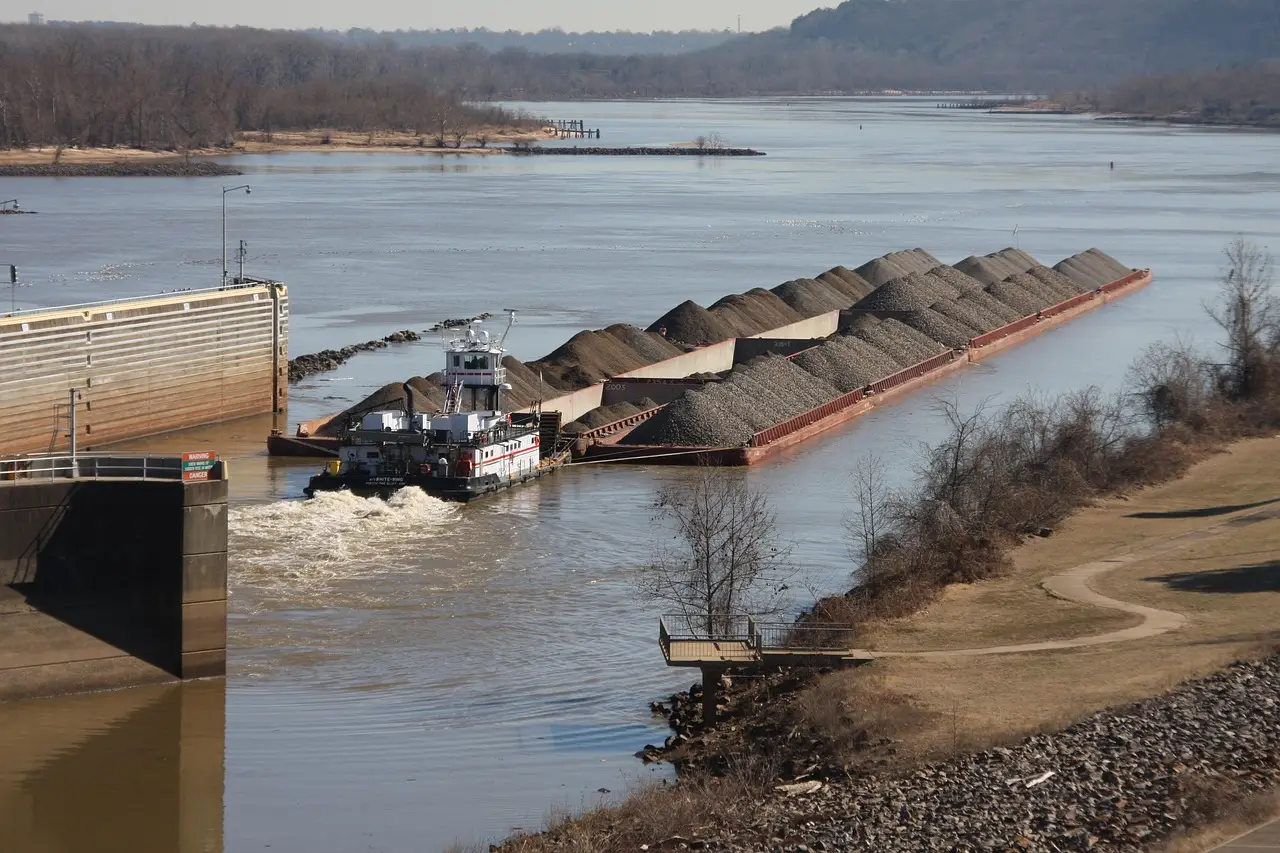
Two tugboats bought for €7 million of EU money to keep the Lower Danube navigable cannot do that job in exactly the conditions they were bought for — they sit 60 centimetres too deep in the water. On Monday, the European Public Prosecutor's Office (EPPO) filed an indictment against four officials of Romania's Lower Danube River Administration (AFDJ Galați), plus one individual and one company, over the procurement.
The charge sheet, now lodged with a court in Iași, Romania, alleges the entire EU-funded investment — roughly €7 million, financed through the EU's 2014–2020 Large Infrastructure Operational Programme — was lost to the bloc's budget. For scale, that is about €3.5 million per vessel for tugs that prosecutors say cannot safely operate on much of the river during low water.
The project looked straightforward on paper. Romania ordered two multipurpose, ice-class tugboats to support navigation along the Lower Danube, including through periods of low water, and to assist vessels in distress. The vessels were delivered in 2021.
What went wrong with the tender?
Prosecutors allege the problem started before a single hull was welded. According to the EPPO, the tender process was deliberately structured to favour a single supplier.
The mechanism, as the EPPO describes it, was technical. Procurement specifications included requirements designed for seagoing vessels, even though the tugboats were intended for inland waterways. Those requirements effectively restricted competition and steered the contract toward one company.
In other words, the specs did not match the mission. Seagoing standards applied to river craft narrowed the field of eligible bidders to the point, prosecutors claim, where the outcome was predetermined.
How deep is too deep?
The decisive number is the draft. The contract specified a maximum allowable draft of two metres. Both tugboats as delivered measured an actual draft of 2.6 metres.
That extra 60 centimetres matters more than it sounds. Draft determines where and when a vessel can operate safely, and on a river like the Danube it is the difference between working a channel and sitting out the season. The 2.6-metre tugs face sharply reduced operating windows during periods of low water — precisely the conditions the vessels were intended to address.
The result, on the prosecutors' reading, is a vessel pair purchased to guarantee navigation continuity that instead depends on that same navigation being unobstructed.
What are the officials accused of?
The four AFDJ Galați officials face the core allegation: despite the draft discrepancy, they approved the vessels and signed final acceptance documents falsely certifying that the tugboats met the required technical specifications.
The indictment also names an individual and a company accused of assisting in the alleged scheme. The EPPO did not specify the penalties each defendant faces individually, but if convicted, the defendants face prison sentences ranging from three to ten and a half years.
The EPPO, which investigates and prosecutes crimes affecting the EU's financial interests, stressed that all defendants are presumed innocent until proven guilty. That caveat is standard — but in a case resting on technical measurements and signed acceptance papers, the paper trail will be the battleground.
Why does this matter beyond Romania?
The Lower Danube is a working freight corridor, and ice-class tugs that cannot deploy in low water are not a marginal loss. Vessels in distress and convoys caught in shrinking channels lose an assist asset exactly when water levels drop — the scenario the EU programme funded against.
The case also illustrates the mechanics of procurement risk in publicly funded maritime infrastructure. The alleged fraud did not require falsified delivery data on performance at sea; it required, on the prosecutors' account, only specification writing that narrowed the field and acceptance signatures that overlooked a 60-centimetre discrepancy.
For EU institutions, the exposure is total: prosecutors estimate approximately €7 million in losses to the EU budget, effectively putting the entire EU-funded investment at issue. There is no partial recovery scenario in the indictment as filed.
What the EPPO has not said is equally notable. The office did not name the favoured supplier, did not disclose whether the vessel builder faces separate proceedings, and did not indicate whether the tugboats can be modified to meet the two-metre draft requirement or are permanently restricted. Those gaps leave open the practical question for Danube operators: whether Romania ends up with salvageable assist capacity or a €7 million write-off.
The court in Iași will now weigh the acceptance documents against the measured drafts. Whatever the verdict, the EU's 2014–2020 infrastructure programme has already absorbed the loss on paper — and the next round of Danube procurement will likely face tighter specification scrutiny as this case proceeds.
Source: gCaptain
More from Marcus Bennett
Show full bio
Senior reporter covering regulation, policy and their impact on Ocean and air freight, container shipping at Waybill Wire.
725 articles
Related05
One Tanker, One Anchor, 90 km of Seabed Damage: The Undersea War
Five Arrested Over €1m Fraud in NATO Warship Port Services Probe
EBRD signs €130 million emergency liquidity deal for Ukrainian Railways
Rhine water levels hit new record lows, pushing freight onto rail and road
Hapag-Lloyd resets Rhine low water surcharges from 1 November